Many parents feel anxious about flying with an 18 month old, and that’s completely normal. At this age, toddlers are curious, energetic, and rarely eager to sit still. As a result, airplane travel can feel challenging. For example, you may be wondering whether to keep your toddler on your lap or bring a car seat. In addition, keeping them occupied during the flight while ensuring comfort and safety can feel overwhelming. Fortunately, with the right preparation, air travel doesn’t have to be stressful. This guide will cover essential tips for flying with an 18 month old, including seating options, car seat safety, snacks, sleep strategies, and simple ways to keep your toddler entertained.
By the end, you’ll feel more confident and ready to make your journey smoother—for both you and your little one.
Watch the original video given below FLYING with TODDLER on lap | First time TIPS & ADVICE
Watch this helpful video by Hey Nadine on YouTube
Table of Contents
What to Expect When Flying with an 18 Month Old
When it comes to flying with an 18 month old, it’s important to know the rules and what to expect before you board. First, parents must decide whether their toddler will sit on their lap or if they should buy a separate seat.
- Flight rules for lap toddlers vs. buying a seat
Most airlines allow children under 2 years old to fly for free on a parent’s lap. However, purchasing a separate seat and using an FAA-approved car seat is considered safer and often more comfortable. - Airline policies for flying with an 18 month old on lap
Policies vary by airline. For instance, some carriers may require proof of your child’s age, while others may have specific lap seating restrictions during takeoff and landing. It’s always best to check your airline’s guidelines before traveling. - Basic safety considerations
Even though lap travel is permitted, experts recommend securing your toddler in a car seat whenever possible. Additionally, remember that turbulence can happen unexpectedly, so having your child properly restrained adds an extra layer of safety. - The Researcher’s Warning: The Physics of “Breakaway Velocity” Biologically, no human parent can hold a child during severe turbulence. In a 9G deceleration event, an 11kg toddler exerts nearly 100kg of force. This is called “Breakaway Velocity,” where the child inevitably becomes a projectile. Additionally, the “Clasp-Knife Effect” occurs when the parent’s body folds forward, potentially crushing the lap-held child against the seat. This is why a CRS (Car Seat) is a biological necessity, not just a luxury.
Tips for Flying with an 18 Month Old
Airplane Travel Basics
When flying with an 18 month old, mastering the basics is the first step toward a stress-free journey. Packing ahead of time with snacks, wipes, and comfort items helps prevent stress during the journey. By planning around nap-friendly flight times and choosing the right seat, you’ll set the stage for a more relaxed experience.
- First, pack toddler-friendly snacks like crackers or fruit pouches to prevent hunger meltdowns.
- Next, bring comfort toys or a favorite blanket to reduce anxiety.
- Moreover, carry plenty of wipes and an extra set of clothes in case of spills.
- In addition, consider flights around nap time for fewer disruptions.
- Finally, choose bulkhead seats for space or aisle seats for quick movement.
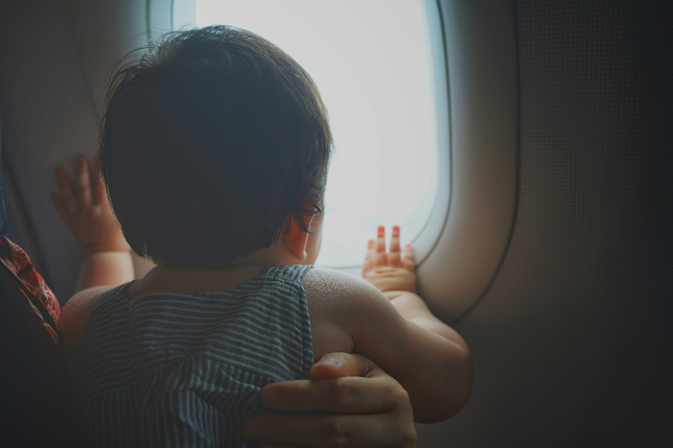
The “Descent Protocol” for Ear Pain
Biologically, a toddler’s Eustachian tubes are horizontal, making drainage difficult. Do not wait for your child to cry. Start the “swallowing protocol” (snacks, nursing, or a lollipop) 20–30 minutes before landing (at the “Top of Descent”). This activates the Tensor Veli Palatini muscle to open the tubes before the pressure builds up.
Car Seat Safety on Planes
Ensuring safety is the top priority for parents when flying with an 18 month old. While some parents prefer the convenience of holding their toddler on their lap, others find comfort in using an FAA-approved car seat. Balancing safety, cost, and convenience is key to making the right decision.
- To begin with, check if your car seat is FAA-approved before boarding.
- On the one hand, a car seat provides security and a familiar space for your toddler.
- On the other hand, travelling through the airport can be difficult.
- Therefore, weigh the pros and cons of using a lap seat versus buying a ticket.
- Ultimately, a secure car seat offers better protection in turbulence.
Important: Look for the “Red Text” Don’t just guess if your seat is approved. Gate agents look for specific red lettering on the sticker that says: “This restraint is certified for use in motor vehicles and aircraft.” If the sticker only says “motor vehicles” (common with booster seats), it is prohibited for use during takeoff and landing.
| Safety Measure | Physics / Biomechanics Explanation | Risk Level |
|---|---|---|
| Lap Holding (Infant in Arms) | Reaction Time Limit: In severe turbulence (-1G to +3G), a 12kg toddler acts as a projectile. Human muscular grip force cannot physiologically counter sudden G-force acceleration to restrain this weight. | High Risk (Projectile Injury) |
| Car Seat (CRS System) | Kinetic Restraint: The 5-point harness distributes deceleration forces across the body’s strongest skeletal points (shoulders & hips), preventing spinal torque and keeping the child secure. | Optimal Safety (FAA Recommended) |
| Ear Pressure Management | Eustachian Tube Physiology: Toddlers have horizontal tubes. Swallowing (via nursing or chewing) activates the Tensor Veli Palatini muscle, which opens the tubes to equalize pressure. | Management: Feed during Ascent/Descent |
Keeping Your Toddler Occupied
Keeping a toddler entertained while flying with an 18 month old can feel like the biggest challenge. Toddlers have short attention spans, so rotating activities throughout the flight is essential. With the right mix of quiet play, screen time, and small snacks, you can keep your toddler happy and engaged.
- For example, packing board books, stacking toys, or coloring pads.
- Additionally, download toddler-friendly shows or apps for limited screen time.
- Meanwhile, rotate activities every 20–30 minutes to avoid restlessness.
- Furthermore, pack small snacks in portions — they double as comfort and distraction.
- Finally, mix quiet play with interactive games to balance energy.
Long & International Flights with an 18 Month Old
Surviving a Long Flight with an 18 Month Old
When flying with an 18 month old on a long journey, the key is preparation combined with patience. First, toddlers are creatures of habit, so keeping familiar sleep routines will help them feel secure. In addition, bringing along comfort items such as a favorite stuffed toy, pacifier, or blanket can reduce stress and make falling asleep easier on board.
- Maintain naps and bedtime routines as closely as possible.
- Create a cozy sleep setup with a small blanket or pillow.
- Take walking breaks in the aisle to release energy.
- Plan a few quiet, screen-free activities for nighttime hours.
“At Nuna Car Seat Reviews (2026), we explore safety, comfort, recalls, and model comparisons for your little one. For broader baby gear insights, also check out our handy guide on best baby gates for stairs in 2026.”
⚠️ Medical Warning: The “Benadryl Paradox”
While some parents suggest sedatives like Benadryl for sleep, research indicates that 10-15% of toddlers experience a “paradoxical reaction,” causing extreme hyperactivity and aggression instead of sleep. Do not test this medication for the first time on a flight.
Flying Long Haul with an 18 Month Old
Moreover, flying long haul with an 18 month old requires extra attention to meals and energy levels. Since airplanes don’t always provide toddler-friendly food, packing snacks and simple meals is essential. Likewise, because long-haul flights often involve crossing multiple time zones, planning for jet lag can help the entire family adjust smoothly.
- Bring enough toddler snacks and meals for the entire flight.
- Offer small, frequent portions to avoid tummy discomfort.
- Start adjusting nap times gradually if traveling across time zones.
- Keep your toddler hydrated with water or milk, limiting sugary drinks.
International Flight with an 18 Month Old
Finally, careful preparation is crucial for a smooth international flight when flying with an 18 month old. Ensuring you have the right travel documents and handling airport logistics become just as important as comfort. For example, your toddler will need a valid passport, and in many cases, travel insurance provides peace of mind. Furthermore, arriving early to navigate customs and security ensures you won’t feel rushed while managing a busy toddler.
- Check that your toddler’s passport is valid (at least 6 months before expiry).
- Keep documents, tickets, and insurance in one organized folder.
- Arrive early to handle long security and check-in lines.
- Use a baby carrier or lightweight stroller to move through customs efficiently.
Flying with a Toddler: Rules and Regulations
Flying with a toddler can feel overwhelming, but understanding the rules can help make the trip smoother. Here’s everything you need to know about flying with a toddler.
Do You Need to Buy a Ticket for Your Toddler?
If your toddler is under 2 years old, you’re not required to buy a seat on most domestic flights. However, the FAA recommends purchasing a seat for your child for safety reasons. A government-approved child safety restraint system (CRS), such as a car seat, is the safest option during flight.
Car Seats and Child Safety Restraint Systems (CRS)
Most car seats can be used on planes if they’re FAA-approved. Be sure to check the seat width (16 inches or smaller fits most airplane seats). If your seat doesn’t work, consider using the CARES harness, a lightweight FAA-approved restraint for kids 22-44 pounds.
Table of Flying with an 18-Month-Old
| Item | Purpose | Expert Tip |
|---|---|---|
| Stroller | Airport mobility & nap station. | Use a lightweight “umbrella” stroller; gate-check is usually free. |
| Car Seat / CARES Harness | In-flight safety (turbulence protection). | Must be FAA-approved. Check sticker on the side. |
| Low-Sugar Snacks | Distraction & hunger management. | Avoid sugar to prevent energy spikes. Cheerios & cheese are best. |
| Tablet + Headphones | Emergency entertainment. | Download shows offline before boarding. |
| Cozy Blanket | Comfort & temperature regulation. | Airplanes are cold; familiar smells reduce anxiety. |
This table now includes all the essentials for flying with a toddler, including items to ensure comfort and entertainment.
Benefits of Buying a Seat for Your Toddler
While it’s possible to fly with a toddler on your lap, buying a seat gives you extra space to stretch, store items, and let your toddler nap comfortably.
Understanding these rules and regulations can make flying with a toddler a lot easier and safer!
Other Considerations for Air Travel with Toddlers
When flying with toddlers, there are a few additional factors to keep in mind to make your journey smoother.
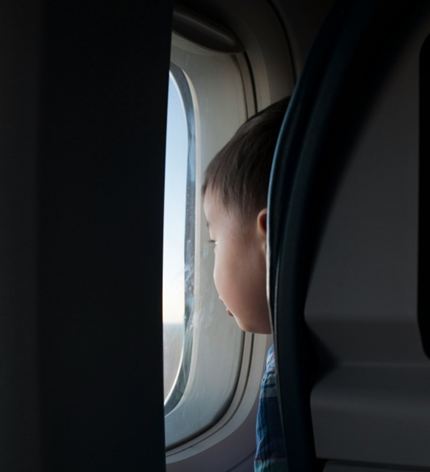
Identification and Documentation
TSA does not require ID for children under 18 on domestic flights. Yet, your toddler will need a passport if you’re traveling internationally. It’s smart to check with the airline prior to purchasing a ticket since some will have their identification requirements.
Unaccompanied Children
Five-year-olds can fly alone on some airlines. Be sure to ask your airline for their policy on unaccompanied minors.
Extra Security Time
Allow yourself extra time for security and check-in. Toddlers don’t have to undergo adult screening, but liquids such as bottles, meals, and breast milk need to be screened. Strollers, car seats, and booster seats will also have to be checked.
Evidence of a Relationship
Include verification of kinship, if you have a different last name from your child, in the form of a consent decree of adoption or a birth certificate. If you’re only going alone, you may also need the consent form signed by the other parent.
The flight for your child will proceed more easily and with less hassle if you adopt these additional precautions.
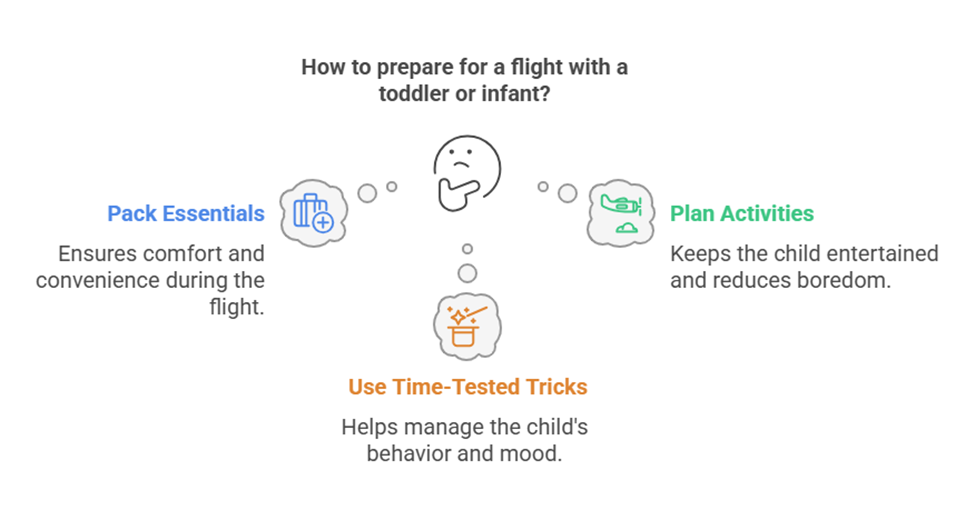
Practical Travel Strategies for Parents
Traveling with toddlers is more than simply playing by the rules. Here are smart strategies to make the journey smoother:
Preboard When You Can
Preboarding is a lifesaver. It provides you with more time to get settled, arrange your toddler’s toys, and get comfortable. Divide and conquer if you have a second adult: one stays to entertain the child in the terminal while the other pre-boards to set up the car seat.
Dress in Layers
Airports can be chilly, and cabin temperatures fluctuate. Dressing in layers allows you to regulate your toddler’s comfort easily. Plus, layers are convenient in case of spills, letting you change a soiled top layer without a full outfit change.
Carry Beverages and Snacks
Snacks are a must when flying with an 18-month-old. Bring simple foods like crackers, Goldfish, or Cheerios. Check the airline’s liquid policy; breast milk or formula is allowed in quantities larger than 3.4 ounces but must be screened individually.
Consider the Flight Timing
Avoid the “witching hour” (late evening) if possible. Early morning flights often mean a happier toddler. Alternatively, scheduling the flight during nap time can lead to a peaceful ride if your child sleeps well in a car seat.
Charge Devices and Download Shows
Charge your tablet fully and download shows for offline viewing before you get to the airport. Wi-Fi on planes is unreliable for streaming.
Key Packing and Gate-Checking Tips When Flying with a Toddler
Taking a toddler on holiday, it is essential to pack smartly and gate-check. This is a brief list of what to pack for an easy trip.
Items for Gate-Checking
Parents may verify bulkier items such as car seats and strollers for free on most flights. Be sure to learn about your airline’s limitations prior to your travels or when you are at the airport. Always tag your gate-checked items with your contact information just in case.
Traveling with an 18 Month Old – Practical FAQs
1) Is air travel with an 18 month old safe?
Yes, air travel with an 18 month old is generally safe when you follow airline guidelines and basic safety practices. Making sure your toddler is secured in a car seat or held according to regulations reduces risks. Keeping them hydrated and comfortable throughout the flight also supports their well-being.
2) What’s better: car seat or lap travel?
Lap travel may be cheaper and easier for short flights, but a car seat offers more safety and helps your toddler stay contained. This makes it especially useful on longer journeys.
3) Best tips for flying with an 18 month old toddler?
Pack plenty of snacks, small toys, and comfort items. Choose nap-friendly flight times and aisle seats when possible. Above all, stay calm and flexible—because toddlers can be unpredictable during flights.
4) Can I take an 18 month old on a plane without a seat?
Yes, most airlines allow parents to bring an 18 month old on a plane without a separate seat if the child sits on your lap. However, using an FAA-approved car seat in a purchased seat is considered safer and often more comfortable.
5) What to pack for toddler airplane travel?
Bring snacks, milk or water, comfort toys, wipes, diapers, and a change of clothes. Don’t forget travel documents, toddler-friendly headphones, and a lightweight blanket. A well-packed carry-on keeps essentials within easy reach.
Takeaway: Flying with a Toddler Made Easy
Taking a trip while flying with an 18-month-old can be tough, but with intelligent planning, it can be achieved. Most airlines also provide additional assistance to make your travel easy. Do not forget to review gate-checking restrictions, bring necessary items, and schedule your flight hours wisely. Proper planning can make the experience a delight for you as well as your toddler. In conclusion, flying with an 18 month old may seem overwhelming at first, but with the right preparation, it is manageable. From snacks and toys to car seat safety and comfort items, every small step you take makes a big difference.
Moreover, remember that no flight is ever perfect and patience go a long way. Trust yourself, stay calm, and focus on turning the journey into a positive experience for both you and your toddler.
✈️ For more parenting and baby travel tips, visit 👉 babycarrierplus.com.
Plan, pack intelligently, and have fun traveling with your toddler. Safe travel!

Hafiz Nauman Baig is a Researcher and PhD Scholar in Zoology, with a specialized focus on Biomechanics and Anatomical Data Analysis. Merging his academic expertise in biological structures with a deep background in Physical Ergonomics and strength mechanics, Nauman evaluates baby gear through a rigorous scientific lens.
Unlike standard product reviewers, he utilizes R Studio and statistical modeling to assess safety data, focusing on the physiological impact of carriers on the infant airway and the caregiver’s spine. His mission is to bridge the gap between complex biological safety standards and practical, pain-free babywearing.