The mini crib is the space-saving alternative of the traditional child crib. It doesn’t occupy much space, and it is designed with safety in mind, so it’s very apt for families. For example, a standard crib usually measures around 52 inches in length and 28 inches in width, while a mini crib generally runs about 38 inches in length and 24 inches in width, making it ideal for compact nurseries, apartments, or shared bedrooms.
Parents often go for mini cribs because they offer the perfect balance between convenience and comfort. They are easier to move, assemble, and fit into smaller areas where a full-size crib wouldn’t work. Despite their smaller dimensions, mini cribs still provide a cozy and secure sleeping environment for newborns and infants.
The main differences in mini crib dimensions, compared to a full-size crib, pertain to length and width, but some variations do regard the height of mattress adjustment. Most mini cribs retain many of the safety features and strength of their larger counterparts, thus remaining a great option for parents in need of practicality, portability, and style without sacrificing their baby’s comfort.
Watch video given below: Nursery Tips – What You Need to Know About Crib Sizes-Types – Find the Best Baby Crib – Part 2 of 4
Watch this helpful video by SimplyBabyFurniture on YouTube
Understanding Mini Crib Dimensions
Mini crib dimensions are one of the important things when choosing your crib. Mini cribs differ in design from standard cribs; even though these save space, they are still able to provide a safe and comfortable sleeping area for your baby.
Typical Mini Crib Dimensions:
- Length: Approximately 36–39 inches
- Width: Around 24 inches
- Height: 36–42 inches, depending on the model
These dimensions make mini cribs ideal for small bedrooms, shared rooms, or even nurseries that have very limited floor space. While the size is smaller, the mini cribs still meet safety regulations and thus provide a safe sleeping environment for your baby.
Key Differences Between Crib Types
Not all cribs are created equal. Here’s how mini cribs compare with other crib types:
- Standard Crib: 52 inches long × 28 inches wide
- Mini Crib: 36–39 inches long × 24 inches wide
- Portable Crib/Pack ‘n Play: Often smaller and collapsible, best for travel
- Convertible Crib: Can transform into toddler beds or daybeds, usually larger
Ideal Space for Placement:
- Ensure at least 12–18 inches of clearance around the crib for easy access.
- Place the crib away from windows, radiators, or cords.
- Consider fitting it against a wall to maximize usable nursery space.
Having this knowledge of mini crib measurements will help parents make an informed decision that balances comfort, safety, and space efficiency.
Standard Mini Crib Mattress Dimensions
Choosing a proper mattress for a mini crib is just as important as the selection of a crib. The right mattress ensures comfort and safety for your baby.
Average Mini Crib Mattress Size
Mini crib mattresses are smaller compared to regular crib mattresses but are designed to snugly fit in the frame of the crib. Dimensions usually include:
- Length: 35–38 inches
- Width: 23–24 inches
- Thickness: 3–6 inches
These dimensions may slightly vary depending on the brand, such as Babyletto or Nestig mini cribs, but they all aim to provide a secure and comfortable sleeping surface.
Ensuring a Proper Mattress Fit
A proper mattress fit is crucial to prevent gaps that could pose safety risks. Key tips include:
- Measure the crib interior before purchasing a mattress.
- Look for a mattress labeled specifically for mini cribs.
- Test by pressing on all sides—there should be no more than two fingers’ width of space between the mattress and crib frame.
Safety Importance of Snug Fit
A snug-fitting mattress helps prevent:
- Baby slipping between the mattress and crib frame
- Entrapment hazards that could lead to injuries
- Uneven surfaces that might affect your baby’s sleep
By choosing the right mini crib mattress dimensions, parents can ensure both safety and comfort, giving babies a secure and cozy sleep environment.
| Crib Type | Length (inches) | Width (inches) | Recommended Mattress Thickness (inches) |
|---|---|---|---|
| Standard Mini Crib | 38 | 24 | 4–6 |
| Nestig Mini Crib | 38 | 24 | 4–6 |
| Nestig Wave Crib | 39 | 24 | 4–6 |
| Babyletto Mini Crib | 38 | 24 | 4–6 |
| Porta Crib | 36 | 24 | 3–5 |
| Foldable Travel Mini Crib | 37 | 23 | 3–5 |
Comparing Mini and Small Crib Mattress Sizes
Knowing the difference between mini and small crib mattresses when selecting a crib will help you choose what suits your baby and the space in the nursery. Considering mini crib dimensions ensures the safety and comfort of a child while sleeping.
Small Crib Mattress Size vs Mini Crib Mattress Dimensions
Although the terms “mini crib” and “small crib” are sometimes used interchangeably, there are subtle differences:
- Mini Crib Mattress: Typically, 35–38 inches long × 23–24 inches wide
- Small Crib Mattress: Slightly larger, often up to 39 inches long × 24 inches wide
- Thickness for both generally ranges from 3–6 inches
Furthermore, knowing the exact mini crib dimensions helps parents select the perfect mattress fit for their nursery layout.
Which is More Suitable for Newborns
- Mini cribs are ideal for newborns and infants due to their compact size.
- Small cribs offer a bit more room for growth, suitable if you plan to use the crib for a longer period.
- Moreover, mini cribs save valuable space in smaller rooms without compromising safety.
Comfort and Practicality
- Mini crib mattresses are lightweight and easy to move.
- Small crib mattresses offer slightly more surface area for active babies.
- Both types are compatible with standard crib sheets designed for their respective sizes.
- In addition, parents should consider nursery space, baby’s growth, and mattress availability when choosing between the two.
Being aware of mini crib dimensions and how they differ from small crib mattresses will help you make an informed decision that balances comfort, safety, and functionality.

Detailed Mini Crib Measurements
Detailed information about the mini crib dimensions is important for selecting the right crib and mattress combination. Firstly, knowing the exact measures helps ensure that the sleeping environment will be safe and comfortable for your baby.
In-Depth Look at Mini Crib Measurements
- Mini cribs are designed to be compact yet safe, making them perfect for smaller rooms or nurseries.
- Typical mini crib dimensions range from 35–38 inches in length and 23–24 inches in width.
- Height usually varies between 30–36 inches, depending on the crib design.
Average Mini Crib Length and Width
- Length: 35–38 inches
- Width: 23–24 inches
- Height: 30–36 inches (varies by manufacturer)
- Tip: Measure your available nursery space to ensure the crib fits comfortably with other furniture.
Size Mini Crib Mattress and Fitting Standards
- Mini crib mattresses are specifically designed to fit snugly within the crib frame, leaving no gaps for safety.
- Standard mini crib mattress dimensions: 27–28 inches wide × 52–53 inches long × 3–6 inches thick.
- Moreover, choosing the right mattress ensures both comfort and compliance with safety guidelines.
Paying attention to these mini crib dimensions and mattress standards allows parents to confidently choose a crib that can maximize space without sacrificing safety. As I have seen, a mini crib is much safer for everyday use; besides, it gives a small playing area to your child. I recommend it for everyone regarding comfort and support.
Brand-Specific Mini Crib Dimensions
Since several different brands design mini cribs, each one can vary somewhat in size, so brand-specific mini crib dimensions may help you choose the right crib and mattress combination.
Nestig Mini Crib Dimensions
- Nestig mini cribs typically measure 35.5 inches in length × 23.5 inches in width × 36 inches in height.
- Ideal for small nurseries while still providing a comfortable sleeping space.
- Tip: Check if the mattress is included or sold separately to ensure a snug fit.
Nestig Wave Crib Dimensions
- The Nestig Wave mini crib measures approximately 36 inches × 24 inches × 36 inches.
- Offers slightly more space than the standard Nestig crib, making it suitable for growing infants.
- Moreover, it comes with adjustable mattress heights for added versatility.
Babyletto Mini Crib Dimensions
- Babyletto mini cribs are around 36 inches × 24 inches × 35 inches.
- Compact design fits well in tight spaces but maintains a modern aesthetic.
- Additionally, these cribs often have non-toxic finishes, meeting safety and eco-friendly standards.
Why Brand Differences Matter
- Firstly, slight variations in dimensions affect mattress compatibility, so always measure before purchase.
- Secondly, brand-specific design features (like adjustable mattress heights or convertible functions) impact how long the crib can be used.
- Finally, considering these differences ensures you get a safe, comfortable, and practical crib for your nursery.
Comparing brand-specific mini crib dimensions allows parents to make informed choices that fit both space and safety needs.
Mini Crib Sheet and Bedding Sizes
Besides choosing the right crib, selecting the correct sheets and bedding is highly important for comfort, not to mention safety. Knowing the standard mini crib sheet size will ensure a snug, secure fit.
Standard Mini Crib Sheet Size
- Most mini crib sheets measure approximately 28 inches × 52 inches.
- Designed to fit snugly around the mini crib mattress, preventing loose fabric that could pose a safety hazard.
- Tip: Always measure your mattress before buying sheets to ensure compatibility.
Guide to Mini Crib Sheet Dimensions
- Mini crib sheet dimensions can vary slightly depending on brand, so check manufacturer specifications.
- For instance, Nestig mini crib sheets may differ by 0.5–1 inch from Babyletto or other brands.
- Additionally, consider sheets with elastic corners for a tighter fit and easier mattress coverage.
Fabric and Comfort Recommendations
- Choose breathable fabrics such as cotton or bamboo for temperature regulation.
- Moreover, organic materials are ideal for babies with sensitive skin.
- Finally, look for sheets that are machine-washable for convenience and hygiene.
Understanding the mini crib dimensions and sheet sizes will help you create a safe, cozy, comfortable sleep space for your baby.
Porta Crib Mattress and Dimensions
In cases where compact sleeping solutions are dealt with, it is very important to understand how porta cribs fare with mini cribs. Though both options are targeted toward smaller areas, their size and portability differ dramatically.
Difference Between Porta Crib and Mini Crib
- Porta cribs are lighter, foldable, and ideal for travel, whereas mini cribs are stationary and more robust.
- Additionally, mini cribs typically offer slightly larger dimensions, providing more room for your baby to grow.
- Transitioning from a porta crib to a mini crib is common once parents need a more permanent solution.
Porta Crib Mattress Size and Fit Guide
- Standard porta crib mattresses usually measure around 27–28 inches × 52 inches, like mini crib mattresses.
- However, the thickness is often less than a mini crib mattress to allow folding and portability.
- Tip: Ensure the mattress fits snugly to prevent gaps, maintaining safety standards.
Best for Travel or Limited Space
- Moreover, porta cribs are perfect for grandparents’ homes, daycare visits, or small apartments.
- Their compact size ensures easy storage when not in use, without sacrificing your baby’s comfort.
- Finally, consider lightweight, foldable mattresses with washable covers for added convenience during travel.
Thus, parents can compare porta crib and mini crib dimensions to make informed choices to ensure maximum safety, comfort, and portability for their baby.
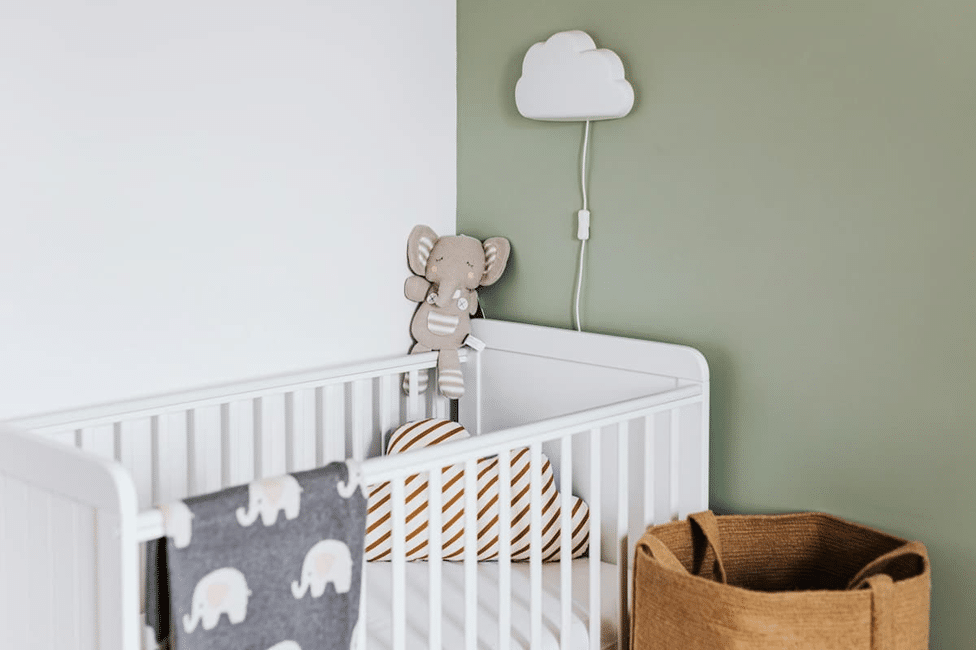
Mini Size Crib vs Full-Size Crib
The important comparison in choosing a crib for the nursery is between mini cribs and full-size cribs. You need to understand the variation in mini crib dimensions to make your choice effectively between comfort and space.
Size, Design, and Usage Comparison
- Mini cribs typically measure around 24–28 inches wide and 38–52 inches long, making them ideal for smaller rooms or apartments.
- In contrast, full-size cribs usually measure 28–33 inches wide and 52–58 inches long, providing more room for your baby to grow.
- Additionally, mini cribs are lightweight and often portable, whereas full-size cribs are sturdier and designed for long-term use.
Which Works Best for Your Room
- If your nursery is compact, a mini crib is the perfect solution, maximizing floor space for other furniture.
- On the other hand, a full-size crib suits larger rooms, offering extra sleeping space that can last until toddlerhood.
- Moreover, consider your lifestyle—mini cribs are excellent for multi-purpose spaces or travel, while full-size cribs are better for permanent setups.
Durability and Price Overview
- Mini cribs are generally more affordable, making them a cost-effective option for parents seeking temporary or compact solutions.
- Meanwhile, full-size cribs tend to be more durable and versatile, often accommodating mattresses and bedding upgrades as your child grows.
- Ultimately, your choice should balance room size, budget, and long-term usage, while keeping Mini Crib Dimensions in mind for optimal fit.
Make sure your pumping sessions are comfortable and efficient with our guide to Elastic Nipple Flanges: Right Size & Inserts.
Space-Saving Tips for Small Nurseries
When working with compact nursery space, every inch counts. Learning Mini Crib Dimensions helps you plan for a both functional and comfortable design for your baby.
How to Make the Most Compact Spaces
- Measure before you buy: Always check the Mini Crib Dimensions to ensure the crib fits comfortably without crowding the room.
- Use vertical space: Install wall shelves or hanging organizers to store baby essentials, keeping the floor area open.
- Multi-functional furniture: Opt for cribs with built-in drawers or changing tables to save space.
Foldable Mini Crib Options
- Portable and practical: Foldable mini cribs are perfect for small rooms or frequent travel.
- Easy storage: When not in use, these cribs can be folded and stored, freeing up valuable floor space.
- Safety first: Ensure that even foldable models meet safety standards and that the mattress fits snugly according to Mini Crib Dimensions.
Smart Storage Ideas
- Under-crib storage: Utilize baskets or bins under the mini crib for diapers, blankets, and toys.
- Corner organizers: Corners often go unused; add corner shelves or cubbies to maximize storage.
- Hooks and wall racks: Hang items like bibs, hats, or baby clothes to reduce clutter.
With the mini crib dimensions in mind, and applying these space-saving strategies, even the tiniest nursery could be just as stylish as it is functional. For a detailed breakdown of diaper pricing across leading brands, check out our Diaper Price Comparison 2025: Pampers & More.
Safety and Comfort Guidelines for Mini Cribs
While one is choosing appropriate Mini Crib Dimensions, due consideration should be made in order that the safety and comfort of the baby are assured. A well-fitted mattress together with safe materials combine to provide a safer sleep environment.
Mattress Thickness and Safety Gaps
- Proper fit matters: Always ensure the mattress fits snugly within the crib to prevent any gaps that could be hazardous.
- Ideal thickness: Standard mini crib mattresses typically range from 3 to 6 inches thick, offering firm support while maintaining safety.
- Avoid gaps: A mattress that is too thin or small can create spaces where your baby might get stuck.
Certified Mini Crib Mattress Measurements
- Safety certifications: Look for mattresses that meet recognized safety standards, such as ASTM or CPSC certification.
- Exact dimensions: Verify that your mattress matches the Mini Crib Dimensions, including length and width, to ensure a secure fit.
- Durability: Certified mattresses often last longer and maintain their shape, providing consistent support for your baby.
Looking for the perfect way to say thanks? Check out our Nurse Gift Basket Ideas & Thank You Packages.
Airflow and Material Safety Standards
- Breathable materials: Opt for crib mattresses with breathable covers to improve airflow and reduce the risk of overheating.
- Non-toxic fabrics: Choose materials free from harmful chemicals, ensuring a safe sleeping environment.
- Ease of cleaning: Removable, washable covers are recommended for hygiene and long-term comfort.
Keep in mind these safety and comfort tips for setting up a cozy, secure nursery that will perfectly fit your chosen Mini Crib Dimensions.
Conclusion: Choosing the Perfect Mini Crib
Choosing the proper mini crib dimensions is all about considering comfort, safety, and joy in setting up a nursery for your child. Knowing the length, width, and mattress size can help in achieving the perfect fit, maximizing the safety, and enable you to make the most out of your room. Other determining factors would include brand variants, mattress types, and your very own lifestyle, along with space availability. Considering all the points, you would be able to choose a mini crib that balances practicality, durability, and comfort, hence designing a safe and sound sleeping environment for your little one. Explore the latest and top‑rated baby wraps in our complete guide: Best Baby Wraps 2025.
Frequently Asked Questions (FAQs) About Mini Crib Dimensions
1. What are the standard mini crib dimensions?
2. What size mini crib mattress fits best?
3. How do Nestig mini crib dimensions differ?
4. Can mini cribs be used for travel?
5. What thickness of mattress is recommended for mini cribs?
6. How do I make a small nursery more functional?

Hafiz Nauman Baig is a Researcher and PhD Scholar in Zoology, with a specialized focus on Biomechanics and Anatomical Data Analysis. Merging his academic expertise in biological structures with a deep background in Physical Ergonomics and strength mechanics, Nauman evaluates baby gear through a rigorous scientific lens.
Unlike standard product reviewers, he utilizes R Studio and statistical modeling to assess safety data, focusing on the physiological impact of carriers on the infant airway and the caregiver’s spine. His mission is to bridge the gap between complex biological safety standards and practical, pain-free babywearing.