Learning how to burp a newborn is an essential part of feeding because babies often swallow air during breastfeeding or bottle-feeding. As a result, trapped air can cause discomfort, fussiness, or spit-up. In fact, some babies burp easily, while others need more support, especially during or after feeds. Moreover, when infants gulp air from crying, fast milk flow, or feeding too quickly, they may become cranky or gassy, which is why parents search for burping techniques for infants and the best way to burp a newborn.
Additionally, newborns spend most of their time lying down, making it harder for them to release trapped air without help. This is why using gentle burping positions for infants, such as upright, over-the-shoulder, or sitting on your lap, becomes so important. Even if your baby falls asleep, you may still need to try while sleeping to prevent gas pain later. If your baby still seems uncomfortable after burping, you can try gentle calming methods such as soothe a fussy newborn, which offer simple ways to relax them.
Finally, since not all babies burp the same way, parents often experiment with the best way to get a newborn to burp to reduce fussiness and make feeding more comfortable. This guide will walk you step-by-step through safe, effective, and parent-approved methods to help your baby release trapped air with ease. This guide is created using insights from pediatric experts and real parent experiences to ensure safe, practical, and trustworthy burping techniques.
Watch video give below: Burping your baby
Watch this helpful video by Eugene Pediatric Associates on YouTube
Why Do Babies Need to Be Burped?
Babies often swallow air while feeding, which can get trapped in their tiny stomachs and make them uncomfortable. Learning how to burp a newborn helps release this extra air, reducing gas, fussiness, and spit-up. Moreover, proper burping supports smoother feeding and helps babies feel relaxed after a meal.
Common Signs of Trapped Gas
A baby may show discomfort when air is stuck inside. You might notice:
- Suddenly crying
- Arching their back
- Pulling legs toward the tummy
- Tight fists or restlessness
These signs often appear when a baby needs help with newborn burping techniques or ways to get a newborn to burp.
Burping Guide Table for Newborns & Infants
| Feeding Type | When to Burp | Helpful Technique | Notes |
|---|---|---|---|
| Breastfeeding | When switching breasts | Upright shoulder position | Some babies swallow less air |
| Bottle-Feeding | Every 2–3 ounces | Sitting on lap position | Slower feeding reduces gas |
| Nighttime Feeding | 1 minute before laying down | Burping while asleep | Babies swallow less air at night |
| Gassy Newborn | Anytime they show discomfort | Face-down lap method | Helps release trapped gas |
| Baby Won’t Burp | Try again after a short break | Upright support + gentle circles | Not all babies need to burp every time |
| Older Baby (4–9 months) | When showing fussiness | Any position they tolerate | Many start self-burping |
When Should You Burp Your Baby?
Every baby is different. Sometimes, they need to burp during the feeding break, and other times, they may only need help afterward. Babies who swallow air quickly—especially when crying or feeding fast—may need more frequent burping. That’s why parents often search for how often to burp a newborn.
How to Burp a Baby (Simple Methods That Work)
Here are three gentle, parent-approved burping methods. Feel free to try all of them to find the best way to burp a newborn.
1. Over-the-Shoulder Burping Position
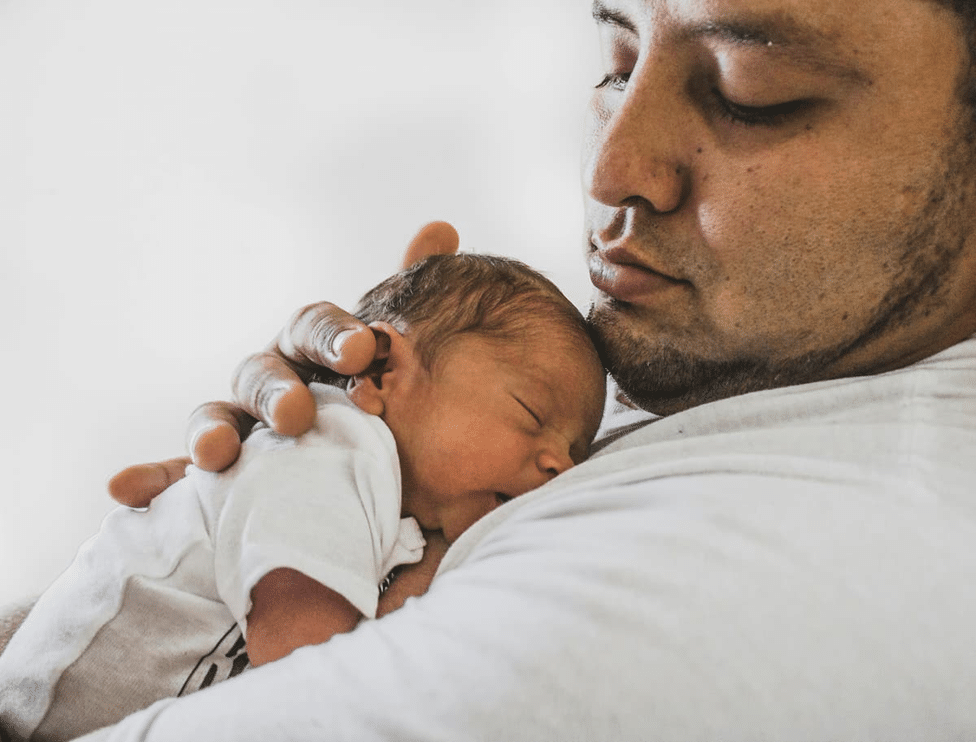
Hold your baby upright against your shoulder while supporting their neck and upper body. Then gently pat or rub the back. This classic method is one of the most trusted newborn burping positions.
How to do it:
- Hold baby upright with their head resting on your shoulder
- Support the neck and back with one arm
- Use your other hand to pat or rub gently
- Keep a cloth nearby in case of spit-up
- Slightly cup your hand — it’s softer and more effective than a flat palm
2. Sitting Upright on Your Lap
Place your baby on your lap and support the chest and chin using one hand. Use your free hand to pat or rub their back in slow, gentle motions. This method often works well for babies who need quick relief and is helpful when learning how to burp a newborn properly.
How to do it:
- Sit your baby on your lap facing outward
- Support the chest and chin with one hand
- Keep their head steady but not pressed forward
- Pat or rub the back gently in upward motions
- Pause for a moment to see if a burp comes out
3. Lying Face-Down Across Your Lap
Lay your baby tummy down across your knees with their head slightly elevated. Then gently rub or pat the back. This technique works well when trying how to get a newborn to burp fast, especially if other methods haven’t worked yet.
How to do it:
- Place baby face-down across your legs
- Make sure their head is higher than the chest
- Support the head gently with your hand
- Pat or rub in slow circles on the back
- Keep a burp cloth under their chin
If Your Baby Still Shows Gas Discomfort
Even after burping, some babies may still have trapped air. In that case, try:
- Massaging the tummy in slow circles
- Moving their legs softly as if riding a bicycle
- Giving extra time between feeds
- Holding your baby upright for a few minutes
If nothing seems to help, then contact your healthcare provider for guidance.
Burping When Breastfeeding
When breastfeeding, a helpful time to burp your baby is during the switch from one breast to the other. For example, if your little one usually feeds from both sides, pause midway to help release trapped air. However, if your baby typically feeds from only one breast, try burping around the halfway point of the usual feeding duration. So, if feeding lasts about 20 minutes, gently burp at around 10 minutes. This practice is especially useful for mothers looking for burping techniques for infants and how to burp a newborn during breastfeeding.
Quick points:
- Burp when switching breasts
- Burp halfway if feeding from one side only
- Helps reduce gas and feeding discomfort
Burping When Bottle-Feeding
Burping during bottle-feeding depends heavily on the type of bottle used. Generally, vented bottles tend to reduce the amount of swallowed air, which means fewer burping breaks may be needed. But, for regular, non-vented bottles that allow more air intake, it’s usually helpful to burp your baby after every 2–3 ounces. This can prevent gas buildup and is considered one of the best ways to burp a newborn during bottle-feeding.
Additionally, avoid waiting until your baby is fully asleep to burp them. Instead, once your baby slows down, stops sucking actively, or pauses during feeding, gently transition them into your preferred burping position. This helps avoid discomfort later and supports smoother digestion.
Quick points:
- Burp every 2–3 oz with regular bottles
- Fewer burps needed with vented bottles
- Pause and burp when sucking slows down
How Long Should You Burp Your Baby?
Many parents wonder how long it takes to burp a newborn, and the answer is simpler than expected. Usually, if your baby hasn’t released any air after a minute of gentle patting or rubbing, they may not need to burp at that moment. However, trapped air sometimes takes a little time to move upward.
If your baby starts squirming, making uncomfortable faces, or showing early signs of gas, try again briefly. And unless your baby is about to nap, consider keeping them upright for a few extra minutes. Sitting upright naturally encourages air to rise, which can help if you’re trying how to get a newborn to burp fast or reduce nighttime fussiness.
- Try burping for about 1 minute
- Keep baby upright for a few extra minutes
- Try again if baby looks gassy or uncomfortable
When Can You Stop Burping Your Baby?
Most babies begin needing fewer burping sessions between 4 to 9 months, but the timeline is different for every child. Generally, once you understand how to burp a newborn, it becomes easier to recognize when they no longer need as much help.
Quick points:
- If baby still looks fussy or gassy, try burping again even after 4–9 months (burping tips newborn)
- When baby starts releasing gas on their own, you can slowly reduce burping (when to stop burping a newborn)
- When babies can sit upright for longer periods, they usually develop natural self-burping skills
What If Your Newborn Won’t Burp?
Some babies don’t burp every time — and that’s completely normal. Often, it depends on how much air they swallow during feeds. Babies using anti-colic or vented bottles swallow less air, which reduces the need for burping.
- A newborn won’t burp every time, even when feeding normally
- If baby gains weight and appears comfortable, burping is not always required
- Sometimes gas may pass naturally from the other end (newborn gas relief)

Burping Doesn’t Have to Be Complicated
Burping your baby isn’t a difficult process once you understand feeding patterns. Moreover, learning a few gentle newborn burping techniques will help prevent discomfort and fussiness.
Helpful tips:
- Burp frequently to reduce swallowed air (burping after feeding newborn)
- Changing positions can slow gulping and help gas escape more easily
- These techniques help you discover the best way to burp a newborn
Burping Basics
Taking short breaks during feeding can reduce air intake and prevent gas buildup. Additionally, frequent pauses help babies digest more comfortably.
- Burp bottle-fed babies every 2–3 ounces (how to burp a newborn with a bottle)
- Burp breastfed babies whenever switching breasts
- Some breastfed babies swallow less air and may not need frequent burping (do breastfed newborns need burping)
Handling Hiccups
Hiccups are normal for babies and usually harmless. However, if hiccups occur during feeding, simple adjustments can reduce discomfort.
- Try changing positions and burping again (how to get a newborn to burp fast)
- Wait 5–10 minutes before continuing feeding
- Feeding a calm baby helps prevent hiccups during meals
The Lowdown on Spit-Up
Spit-ups are common and usually not a cause for concern. Sometimes, babies spit up because they’ve eaten more than their stomach can hold or because air escapes during burping.
- Spit-ups during burping or drooling are common and usually harmless
- It rarely leads to choking or breathing problems
- Even babies who spit up often should always sleep on their backs
What to Do If Your Baby Doesn’t Burp
Sometimes a newborn won’t burp even after trying common burping positions. In this case, focus on comfort and gentle techniques. Learning how to burp a newborn while sleeping can also help, especially during nighttime feeds.
- If baby falls asleep, try burping for 1 minute before laying them down
- Babies may need fewer burps at night because they feed more slowly
- If baby wakes up crying, soothes them, check diaper, feed if needed, then try burping again
These simple steps help reduce gas discomfort and support better sleep.
Causes of Gassiness in Babies
Many parents wonder why their baby seems extra gassy. Although some believe bottle-fed babies swallow more air, this is mostly anecdotal. Both breastfed and bottle-fed babies can experience gas.
Common causes:
- Babies swallow extra air while feeding (causes of gas in newborns)
- Some babies are sensitive to foods in the breastfeeding mother’s diet
- Overfeeding or fast gulping can make a gassy newborn more uncomfortable
However, many babies with gas are not bothered by it at all. Every baby is different, and what affects one may not affect another.
Takeaway
Burping is a simple but important part of caring for your baby and knowing how to burp a newborn can make feeding much more comfortable. Even if your baby is asleep, gently burping them can help release trapped gas so they don’t wake up early or feel uncomfortable. Moreover, some babies may swallow more air due to feeding speed or sensitivity, which can lead to a gassy newborn, but regular burping often reduces this discomfort. Ultimately, understanding the common causes of gas in newborns and using the right burping techniques helps your baby feel calm, relaxed, and well-fed. All recommendations in this article follow evidence-based newborn care practices and are reviewed through reliable pediatric health guidelines.
Frequently Asked Questions — Burping Your Baby
1. How long should I burp my newborn?
2. What if my newborn won’t burp at night?
3. Why is my newborn so gassy even after burping?
4. Can I burp a newborn while they are sleeping?
5. When can I stop burping my baby?

Hafiz Nauman Baig is a Researcher and PhD Scholar in Zoology, with a specialized focus on Biomechanics and Anatomical Data Analysis. Merging his academic expertise in biological structures with a deep background in Physical Ergonomics and strength mechanics, Nauman evaluates baby gear through a rigorous scientific lens.
Unlike standard product reviewers, he utilizes R Studio and statistical modeling to assess safety data, focusing on the physiological impact of carriers on the infant airway and the caregiver’s spine. His mission is to bridge the gap between complex biological safety standards and practical, pain-free babywearing.