
Can I drink coffee while breastfeeding? It’s a question many new moms find themselves asking in those early sleepy weeks of motherhood. While coffee can be a much-needed energy boost, there’s often concern about how caffeine might affect your baby’s health, sleep patterns, or even your milk supply. In 2026, updated guidelines continue to support moderate caffeine intake during breastfeeding, but it’s still important to understand the safe limits and how caffeine passes into breast milk. If you’re wondering things like, can you drink coffee while breastfeeding, is it OK to have decaf, or how coffee and breastfeeding truly mix — you’re not alone.
Let’s explore the latest research, safety recommendations, and expert tips on how to enjoy your daily brew while keeping your little one safe and happy. Whether you’re a first-time mom or navigating another breastfeeding journey, this guide will help you make informed decisions about breastfeeding and coffee in 2026. “Want to know exactly how many months pregnant you are at 33 weeks, along with signs of labor and baby development? Check out our detailed guide on 33 weeks pregnant: months, cramps & early labor signs.”
Watch this visual guide on: Can I drink coffee while breastfeeding?
Table of Contents
“Can I Drink Coffee While Breastfeeding? Is It Safe for Moms & Babies?”
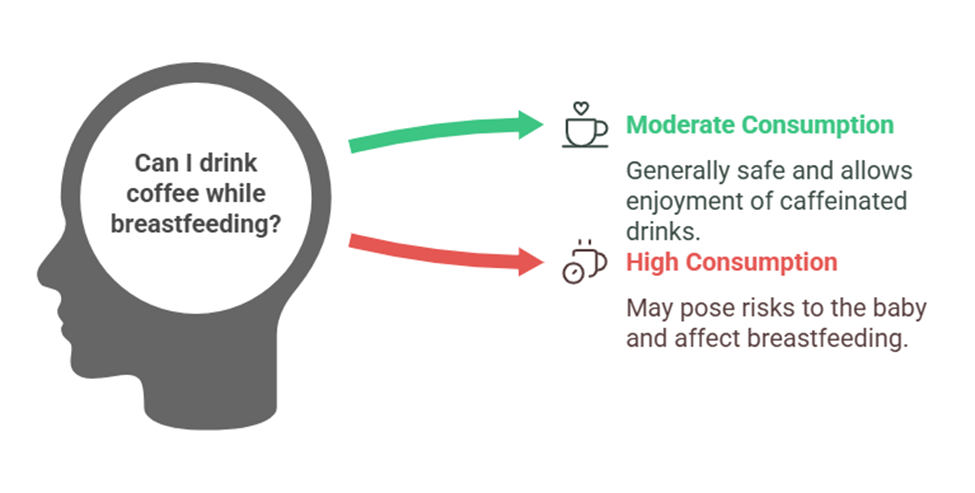
When you’re caring for a newborn and running low on sleep, reaching for a cup of coffee feels almost essential. But can I drink coffee when breastfeeding? The good news is — yes, in moderation, it’s generally considered safe.
According to trusted sources like the Centers for Disease Control and Prevention (CDC), World Health Organization (WHO), and the American Academy of Pediatrics (AAP), caffeine does pass into breast milk, but usually in small amounts. Most breastfeeding moms can safely consume up to 300 milligrams of caffeine per day — roughly the amount in two 8-ounce cups of coffee. “Not sure what kind of support you’ll need after birth? Learn how a postpartum doula can help you recover and care for your newborn.”
Can I Drink Coffee While Breastfeeding? Safe Amounts Explained
So, is it OK to drink coffee while breastfeeding? Yes, if you stay within the recommended limit and observe how your baby responds. Some infants may be more sensitive to caffeine, showing signs like fussiness or trouble sleeping.
In short, can a breastfeeding mom drink coffee? Absolutely. Just remember to monitor your intake and watch for any changes in your baby’s behavior. With a little awareness, you can safely enjoy your favorite brew without worry.
How Much Caffeine Is Safe While Breastfeeding?
When it comes to coffee while breastfeeding, moderation is key. According to experts, the recommended daily caffeine limit for breastfeeding mothers is around 300 mg. But what does that look like in everyday drinks?
Caffeine Content in Common Beverages
To put it into perspective, one 8-ounce cup of brewed coffee contains about 95 mg of caffeine, while a cup of black tea is around 47 mg. Soft drinks like cola may contain anywhere from 30 to 50 mg per can, and energy drinks can be much higher. That means you can safely enjoy two to three small cups of coffee per day without exceeding the limit.
Moreover, you might wonder, “Should I drink coffee while breastfeeding if my baby seems fussy?” In such cases, it’s best to monitor your baby’s reaction. Some infants are more sensitive to caffeine, especially newborns under 6 months. Thinking about breast pump options? Discover everything you need to know with our 10 Facts on Spectra Gold Breast Pump, S1 & S2 Parts & Insurance guide: Spectra Gold Breast Pump: 10 Facts on S1, S2 Parts & Insurance.
Practical Tips for Managing Caffeine Intake
If you’re worried about drinking coffee while breastfeeding, try spacing out your coffee cups throughout the day or switching to low-caffeine alternatives like decaf or herbal teas. This way, you can still enjoy your favorite drink while keeping your baby’s well-being in mind.
What Happens if You Drink Too Much Coffee While Breastfeeding?
While drinking coffee while breastfeeding is generally considered safe in moderation, consuming too much caffeine can have noticeable effects on both you and your baby. It’s important to be aware of how excess coffee intake might impact your breastfeeding journey.
Signs Your Baby May Be Sensitive to Caffeine
Some breastfed babies, especially those under 6 months, may react to high caffeine levels passed through breast milk. Common signs include irritability, restlessness, and trouble sleeping. If your baby seems unusually fussy or has difficulty settling down, your caffeine consumption might be a contributing factor. Looking for more options? Check out our Wireless Breast Pump Guide 2026 for the top-rated hands-free pumps, pros & cons, and expert tips — Wireless Breast Pump Guide 2026.
How Excess Coffee Affects Moms
Mothers, too, may experience side effects when drinking excessive coffee while breastfeeding. These can include jitters, increased heart rate, headaches, or dehydration, especially if coffee is replacing water intake. It’s a good idea to monitor how your body responds and adjust your caffeine intake accordingly.
Staying within the recommended daily limit and watching these signs can help you enjoy coffee without disrupting your or your baby’s well-being. For expert-reviewed insights on caffeine and energy drink consumption during breastfeeding, check out the comprehensive guide from the InfantRisk Center: Breastfeeding, Caffeine & Energy Drinks – InfantRisk Center – it covers metabolism in infants, recommended limits, and potential risks.
Is Decaf Coffee a Better Option for Breastfeeding Moms?
If you’re worried about caffeine but still crave the comforting flavor of coffee, decaf coffee might seem like a smart alternative. But is it the best answer when asking, “Can I drink coffee while breastfeeding” safely?
What Is Decaf Coffee and Is It Safe During Breastfeeding?
Decaf coffee is made by removing about 97% of the caffeine from regular coffee beans through various methods like water processing or chemical solvents. While not completely caffeine-free, it contains significantly less caffeine, making it a safer choice for moms who are breastfeeding and want to reduce their caffeine intake.
Caffeine in Decaf vs. Regular Coffee
A standard cup of regular coffee has about 95 mg of caffeine, while decaf typically contains only 2 to 5 mg per cup. This stark difference means that decaf coffee breastfeeding moms choose can greatly lower the risk of caffeine-related issues in babies, such as fussiness or poor sleep.
Switching to decaf doesn’t mean giving up coffee, it simply means making a gentler choice for your baby while still enjoying your favorite beverage.
When Is the Best Time to Drink Coffee While Breastfeeding?
If you’re asking yourself, “Can I have coffee while breastfeeding without affecting my baby?”, timing matters more than you might think. The goal is to minimize the amount of caffeine that passes into breast milk during feedings.
Drinking Coffee After Nursing, Not Before
Experts recommend drinking coffee right after nursing, rather than right before. This gives your body a few hours to metabolize the caffeine before your next breastfeeding session. That way, less caffeine reaches your baby through breast milk.
How Timing Affects Your Baby
Breast milk caffeine levels typically peak 1 to 2 hours after consumption. So, if you’re wondering, can I have coffee while breastfeeding without disturbing your baby’s sleep or mood? Consider the timing of your cup carefully, especially if your baby is sensitive or has trouble sleeping.
Choosing the right time to enjoy your coffee can help you stay energized without negatively impacting on your baby’s comfort or rest. For more expert-backed guidance, explore this helpful article from The Bump on whether you can drink coffees while breastfeeding — it covers safety tips, caffeine limits, and what to watch for.
Should You Drink Coffee When Breastfeeding? Expert Advice
If you’re wondering, “Should I drink coffee while breastfeeding?”—you’re not alone. Many new moms wrestle with whether to give up caffeine entirely or enjoy it in moderation.
Pros and Cons of Coffee While Breastfeeding
When asking Can I drink coffee while breastfeeding, the plus side is that moderate consumption can help you stay alert and combat postpartum fatigue. A small amount of caffeine is generally considered safe and unlikely to harm your baby when kept within recommended limits.
However, on the downside, some babies may be more sensitive to caffeine, especially newborns. It can cause restlessness, irritability, or trouble sleeping if consumed in excess or too close to feed times.
Consider Your Own and Your Baby’s Sensitivity
Ultimately, the answer to “Can I drink coffee while breastfeeding?” depends on your baby’s response and your personal habits. If you notice signs like jitteriness or poor sleep in your baby, consider cutting back or switching to decaf.
When consumed mindfully, coffee can be part of a balanced breastfeeding routine.
Coffee Alternatives While Breastfeeding
If you’re trying to limit your caffeine intake or simply want a break from your usual cup, there are several healthy alternatives you can safely enjoy if you decide to pause drinking coffee while breastfeeding.
1. Herbal Teas (Caffeine-Free Options)
Herbal teas like chamomile, rooibos, or ginger can provide warmth and comfort without caffeine. Some, like fenugreek or fennel, may even support milk production—but always check with your doctor, as not all herbs are safe during lactation.
2. Chicory Root Coffee
Chicory coffee looks and tastes like regular coffee but contains no caffeine. It’s a popular substitute among breastfeeding moms. However, if you have allergies to ragweed or daisies, consult a healthcare provider before trying it.
3. Warm Lemon Water or Golden Milk
A mug of warm lemon water is a hydrating, soothing choice that also aids digestion. Golden milk (a turmeric and milk blend) is another relaxing option packed with anti-inflammatory properties.
While these alternatives aren’t exact replacements for the buzz of caffeine, they can still provide a comforting ritual without compromising your baby’s rest or well-being.
Is It Safe to Drink Coffee While Breastfeeding?
It’s not dangerous to drink coffee in moderation while lactating but be mindful of how much caffeine you consume. According to Lauren Davidheiser, MS, RDN, IBCLC, a lactation consultant, if you’re reintroducing caffeine after cutting it out during pregnancy, start slowly and observe how it affects you.
Coffee & Breastfeeding Safety
| Aspect | Description | Impact | Recommendation |
|---|---|---|---|
| Caffeine in Coffee | Caffeine from coffee passes into breast milk | Small amounts, typically safe for breastfeeding | Limit intake to 200-300 mg/day (2-3 cups) |
| Sleep Quality | Caffeine could affect baby’s sleep | Minimal to no impact based on studies | Monitor baby’s response and adjust caffeine intake |
| Iron Absorption | Coffee might slightly reduce iron absorption | No strong evidence linking coffee to iron issues | Consider iron supplements if needed |
| Moderate Consumption | Moderate coffee consumption while breastfeeding | Generally safe for both mother and baby | Enjoy coffee but stay within recommended limits |
Caffeine in Breast Milk: Caffeine from coffee enters your bloodstream and passes into breast milk, but only a small amount reaches your baby.
Safety Guidelines: Most health organizations, like the American Academy of Pediatrics, agree that breastfeeding moms can safely consume up to 300 mg of caffeine per day.
Does Caffeine Pass into Breast Milk?
Yes, caffeine does pass into breast milk, but only in small amounts. A National Institutes of Health study estimates that caffeine reaches breast milk at 0.06 to 1.5 percent of the amount consumed by the mother. While it’s important to limit your intake, experts agree that coffee breastfeeding in moderation is safe for your baby.
No Need to Pump and Dump: After drinking coffee, there’s no need to pump and dump. As Lauren Davidheiser explains, the small amount of caffeine left in your bloodstream after moderate consumption is considered safe for your baby. Pumping immediately after drinking coffee won’t remove caffeine from your breast milk.
How Caffeine Affects Your Baby
Infant Sensitivity: Newborns metabolize caffeine much more slowly than adults, making them more sensitive to it. While older babies usually tolerate moderate caffeine, newborns may be more affected.
Potential Effects: Excess caffeine can cause irritability, trouble sleeping, and fussiness in babies. It’s important to be mindful of how much coffee breastfeeding moms are consuming.
Signs to Watch For: Look out for signs of caffeine sensitivity in your baby, like restlessness or disturbed sleep. If you notice these, it might be time to reduce your caffeine intake.

What is the Safe Amount of Coffee While Breastfeeding?
Recommended Caffeine Intake: It’s generally safe for breastfeeding mothers to consume as much as 300 mg of caffeine daily, or around two to three cups of coffee. Why Moderation Matters: Too much caffeine can lead to negative effects like anxiety, trouble sleeping, or fussiness in babies. Moderation is key to keeping both mom and baby healthy.
Balancing Enjoyment with Safety: Enjoying your coffee is fine, but it’s important to ensure it doesn’t affect your baby. Find the right balance for you and your baby’s needs.
Individual Reactions Matter: While coffee breastfeeding can be safe, remember that every mom and baby has a unique reaction to caffeine. Some mothers may have a lower tolerance after pregnancy, so it’s important to monitor both your and your baby’s responses.

Decaffeinated Coffee: If you love the taste of coffee but want to cut down on caffeine, try switching to decaf coffee while breastfeeding. Herbal Teas: Caffeine-free herbal teas are a soothing and safe alternative for breastfeeding moms looking to relax.
Hydration: Don’t forget to drink plenty of water! Coffee can be a mild diuretic, so staying hydrated is important for both mom and baby.
Can You Have Other Caffeinated Drinks and Foods While Breastfeeding?
Yes, the same rules for coffee apply to other caffeinated drinks and foods. If you’re trying to limit your caffeine intake, check the caffeine content in all the foods and beverages you regularly consume. You might be surprised—some foods, like decaf coffee, still contain small amounts of caffeine.
Here are a few examples of common caffeinated items:
- Starbucks Coffee (8 oz): 250 mg
- 7-Eleven Big Gulp (64 oz): 190 mg
- Monster Energy (16 oz): 160 mg
- Diet Coke (12 oz): 46 mg
- Tea (8 oz): 48 mg
Caffeine Limit: It’s safe to consume caffeine within the 200-300 mg range while breastfeeding, which is roughly 2-3 cups of coffee per day. Always listen to your body and observe how your baby reacts.
⚠️ Researcher’s Critical Safety Warning: The “Energy Drink” Trap
Why You Should Avoid Energy Drinks: Unlike simple coffee, energy drinks often contain unregulated herbal stimulants (like Guarana or Taurine) mixed with massive amounts of sugar and caffeine.
The Risk: These additives can cause rapid heart rate and severe jitters in newborns, which are far more dangerous than a standard cup of coffee.
✅ My Recommendation: Stick to natural sources like brewed coffee or tea (under 300mg) and strictly avoid high-potency energy shots while nursing.
What If You’re Concerned About Caffeine?
Monitor Your Caffeine Intake: Keep track of your caffeine consumption using a food diary or an app to ensure you stay within the safe limit.
Consult a doctor: If you’re worried about caffeine’s effects, especially if your baby shows signs of sensitivity, talk to your pediatrician for personalized guidance.
Making Informed Choices: Every baby is different. Find the right balance that works for both you and your baby while nursing.
Coffee’s Advantages and Drawbacks for Breastfeeding
There are certain worries, even though the hazards of coffee during nursing are minimal. Experts are concerned that caffeine may interfere with a baby’s sleep.
Caffeine consumption by moms did not, however, significantly affect the sleep experience of 885 infants in a 2012 study.
Moderate Consumption: Research, including Korean research, indicates that drinking coffee while nursing has no significant dangers, particularly when a few cups are consumed daily.
Iron Absorption Issues: Although there is no current scientific proof to support this theory, some people think coffee may reduce the amount of iron in breast milk. Although breast milk has a naturally low iron content, it’s a good idea to talk to your doctor about taking iron supplements if you’re worried.
FAQs: Can I Drink Coffee While Breastfeeding?
1. Can I drink coffee while breastfeeding every day?
Yes, you can usually drink coffee daily while breastfeeding if your caffeine intake stays within the recommended limit of 300 mg per day (around 2–3 cups). Always monitor your baby for sensitivity signs like fussiness or poor sleep.
2. Should I switch to decaf while nursing?
Switching to decaf is a good option if your baby reacts to caffeine. Decaf coffee has only 2–5 mg per cup, making it a safe way to enjoy coffee if you’re asking yourself, “Can I drink coffee while breastfeeding without affecting my baby?”
3. How much is too much when asking Can I drink coffee while breastfeeding?
If you wonder, “Can I drink coffee while breastfeeding without overdoing it?” the safe limit is under 300 mg daily (about 2–3 cups). More than that may cause irritability, restlessness, or sleep issues in babies.
4. Can coffee affect my baby’s sleep?
Yes. Drinking coffee close to feedings may disrupt your baby’s sleep. To stay safe when thinking “Can I drink coffee while breastfeeding and not impact sleep?”, try having your coffee right after nursing.
5. What about energy drinks or iced coffee?
Iced coffee is fine in moderation, but energy drinks are not recommended because of their high caffeine, sugar, and stimulants. If you’re considering alternatives, iced coffee is the safer choice while breastfeeding.
Final Thoughts: Enjoying Coffee While Breastfeeding Responsibly
In conclusion, can I drink coffee while breastfeeding? Yes, you can—in moderation and with mindful timing. Most experts agree that small to moderate amounts of caffeine are generally safe for breastfeeding moms and their babies. That said, it’s essential to keep your daily caffeine intake below 300 mg, observe your baby’s behavior, and stay hydrated. If you’re ever unsure or notice unusual signs in your baby, don’t hesitate to consult your pediatrician or lactation consultant.
By following these simple tips, you can still enjoy your daily coffee while supporting your baby’s health and development. If you’re experiencing forceful let-down or your baby is struggling with fast milk flow, you might want to learn more about the causes and symptoms of oversupply in our detailed guide on Hyperlactation Syndrome.

Hafiz Nauman Baig is a Researcher and PhD Scholar in Zoology, with a specialized focus on Biomechanics and Anatomical Data Analysis. Merging his academic expertise in biological structures with a deep background in Physical Ergonomics and strength mechanics, Nauman evaluates baby gear through a rigorous scientific lens.
Unlike standard product reviewers, he utilizes R Studio and statistical modeling to assess safety data, focusing on the physiological impact of carriers on the infant airway and the caregiver’s spine. His mission is to bridge the gap between complex biological safety standards and practical, pain-free babywearing.

Nice
Informative nice good work
Wao its lively and good for health
Nice work. Keep it up
Nice video and look view video