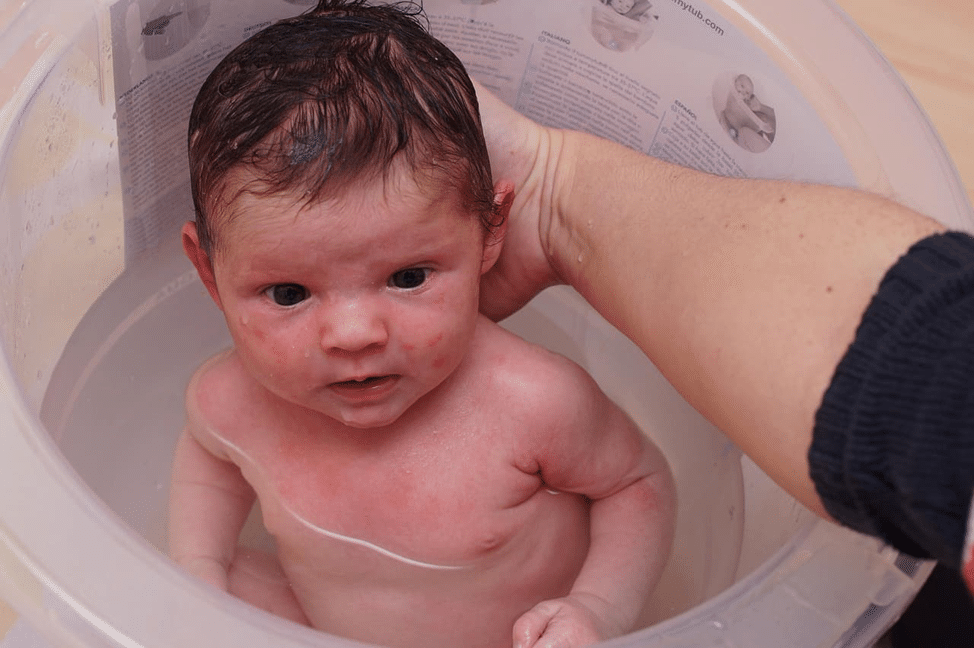
Bathing your baby is a beautiful bonding moment, yet many new parents wonder, can I bathe my newborn daily or what the right bathing routine for newborns should be. Because your baby’s skin is delicate, it’s important to understand safe bath timing, when to wash infant hair, and whether to begin with a sponge bath or a full tub bath. Moreover, during the first weeks, parents also ask if it’s safe to bathe a 1-month-old more frequently or wait until the umbilical cord stump falls off. Fortunately, with the right steps and gentle techniques, bath time becomes relaxing, confidence-building, and enjoyable for both you and your baby.
Clinical guidelines dictate that neonatal bathing requires strict adherence to safety protocols to prevent hypothermia, accidental submersion, and cutaneous barrier disruption. Implementing evidence-based pediatric techniques ensures infant physical safety and physiological stability. After the bath, gently burp your baby to release trapped gas. Learn how to burp a newborn correctly here.
Watch video give below: Complete Guide to Bathing a Newborn Baby (Step-By-Step)
Emma Hubbard on YouTube
When Is the Right Time to Give a Newborn a Bath?
In recent years, there has been a major shift in the timing of a baby’s first bath. Although hospitals once bathed newborns within the first hour, many now follow updated guidelines. Parents often wonder can I bathe my newborn daily once they get home, but the very first bath is handled differently. According to the World Health Organization (WHO), it’s best to delay the first bath until 24 hours after birth, or at least 6 hours when cultural practices require an earlier wash. Additionally, before the umbilical cord falls off, most newborns should only have a sponge bath, which protects their delicate skin and prevents infection.
Why Wait for Baby’s First Bath?
Delaying the first bath is now recommended for several important reasons. Moreover, these benefits help parents understand why newborn care starts gently, even before thinking about how often to wash infant hair or how to give a sponge bath safely.
Key Reasons to Delay a Newborn’s First Bath
- Better body temperature control:
Bathing too soon increases the risk of newborns becoming cold and developing hypothermia. - Stable blood sugar levels:
The small stress of an early bath may cause a drop in blood sugar (hypoglycemia) in some babies. - Improved bonding & breastfeeding:
Early bathing can interrupt essential skin-to-skin contact and reduce early breastfeeding success.
➤ A study found a 166% increase in breastfeeding success when hospitals delayed the first bath by 12 hours. - Protection for delicate skin: Newborns are born with vernix caseosa, a complex bio-film containing potent antimicrobial proteins like lysozyme and lactoferrin, which actively neutralize pathogens. Retaining vernix accelerates the natural formation of the skin’s acid mantle. Furthermore, research demonstrates that delaying the initial bath by 12 to 24 hours yields up to a 166% increase in early exclusive breastfeeding initiation, as preserving the scent of amniotic fluid facilitates natural rooting and latching behaviors.
Special Situations
In certain cases, early bathing is still necessary. For example:
- Babies born to mothers with HIV
- Babies born to mothers with Hepatitis viruses
In these situations, hospitals bathe the infant after the initial breastfeed to reduce risk to caregivers and family members. Some newborns may fuss during bath time. If your baby becomes uncomfortable, here’s how to soothe a fussy newborn.
Newborn Bathing Guide Table
| Bathing Topic | Recommended Method | Safety Notes | Age/Condition |
|---|---|---|---|
| First Bath Timing | Delay 24 hours | Prevents heat loss, improves breastfeeding | At birth |
| Before Cord Falls Off | Sponge bath only | Keep stump dry | 0–2 weeks |
| Regular Bath Start | Infant tub bath | Support head/neck, shallow warm water | After cord heals |
| Washing Infant Hair | 2–3 times per week | Use mild shampoo only | All ages |
| Bath Frequency | 2–3 times per week | Prevents dry skin | First year |
| Bath Water Temperature | 37°C (98.6°F) | Test with wrist; avoid hot running water | All ages |
How Often Should You Bathe a Newborn at Home?
Newborns generally do not need a bath every day. They hardly sweat or get dirty enough to require frequent bathing, which often makes parents ask can I bathe my newborn daily. However, bathing too often can dry out their delicate skin. Therefore, three baths per week during the first year are usually enough.
Key Points to Remember
- Newborns do not need daily baths.
- Bathing too often may dry out the skin.
- Three baths per week are generally sufficient.
- Gentle cleaning during diaper changes keeps babies clean in-between baths.
- Long-tail concerns such as when to wash infant hair or bathing a 1-month-old depend on skin sensitivity.
When the umbilical cord pulls off, is it possible for my baby to have a bath?
Give your baby sponge showers only until the umbilical cord stump comes off, which is typically one or two weeks of age. If it remains longer, consult your baby’s doctor. During this period, it’s best to avoid submerging your baby in water and instead focus on safe methods like how to give a sponge bath.
Why Sponge Baths Are Necessary
- The umbilical cord stump must stay dry to prevent infection.
- Sponge baths are the safest method for early newborn care.
- Most stumps fall off within 1–2 weeks.
- If it stays longer, it may indicate another issue—consult your doctor.
How to Use a Sponge Bath for a Baby
Apart from not submerging your infant in the water, a sponge bath is like a traditional bath. Instead, you gently clean them with a warm, damp cloth.
Baby Sponge Bath Safety Tips
- Prepare all supplies beforehand:
Have a basin of warm water, a soap-free damp washcloth, a dry towel, and anything else you may need. - Choose a safe, comfortable surface:
Use a padded counter by the sink, a bed, a changing table or the floor. If the surface is raised, always use a protective strap or maintain one hand on the infant. - Start by washing your face:
Clean your face gently without letting water enter the eyes or mouth, then wash the rest of the body and lastly the diaper area. - Keep your infant warm:
Only the part that you are washing should be exposed after wrapping your infant in a dry towel. Look for folds in the vaginal area, behind the ears, beneath the arms, and around the neck.
After the bath, keeping your baby warm is essential. You can also explore safe options like an infant wearable blanket or sleep sack to maintain comfort.
When Is My Infant Prepared for a Frequent Bath?
Your infant is prepared for a routine wash once the umbilical region has healed. Their initial tub baths should still be short and gentle, though. Babies may first object, so just go back to sponge baths for a week or two and give it another go. Moreover, parents who wonder if I can bathe my newborn daily should remember that readiness varies, and babies usually show clear signs when they feel comfortable in the water.

Safety Advice for Baby Bathtub and Sink Bathing
Make Use of a Secure Infant Tub
- To prevent your infant from slipping, pick a hard plastic tub with a sloping, rough surface or sling.
- Only use tubs manufactured after October 2, 2017, to ensure they meet updated safety standards.
- Some parents prefer bathing a newborn in a bathinette, towel-lined plastic tub, or the sink; however, be extra cautious with sinks because they can be slippery and have protruding faucets.
- Additionally, keep the faucet off before placing your baby in the water.
Avoid Using Bath Seats
- Bath seats may help babies sit upright, but they can easily tip over, creating a risk of drowning.
Use Touch Supervision
- Keep all bath supplies within reach so that one hand always remains on your baby.
- If you forget something or need to answer the phone, take your baby with you, even for a moment.
Basic Infant Water Safety Practices
- Never, not even for a little moment, leave an infant unattended in the bathtub.
- Most indoor child drowning incidents occur in bathtubs, and over half of these incidents involve infants younger than one year old.
- As a result, it is crucial to establish consistent water safety practices at a young age.
Verify the temperature of the water.
- Pour two inches of warm, but not hot, water into the basin.
- Use the inside of your elbow or wrist to check the temperature.
- Once your baby lies in the water when taking a bath in a washbasin, turn off the tap.
- Avoid using sprayers or bathing your infant in rushing water because the water’s temperature can abruptly change and burn their skin.
- The American Academy of Pediatrics recommends setting your home water heater thermostat to a maximum of 120°F (49°C) to prevent accidental scalding. However, the actual bath water in the infant tub must be strictly maintained between 37°C and 38°C (98.6°F–100°F). Always verify the water temperature before placing your baby in the tub, as water at 120°F can cause severe thermal burns on fragile infant skin within seconds.
Keep the infant warm
- Once undressed, place your baby into the water immediately so they don’t become chilled.
- As soon as your infant is undressed, submerge them in the water to prevent them from getting cold.
- Support the head with one hand and guide them gently, feet first.
- Most of their face and body should remain above the water; therefore, they frequently pour warm water over their body to keep them comfortable.
Use Liquid Syndet Cleansers (Avoid Hard Water Eczema): If you live in an area with hard water, traditional alkaline soaps can leave an insoluble soap scum on your baby’s skin. This disrupts the skin’s lipid barrier and significantly increases the risk of atopic dermatitis (eczema). Instead of standard soap, exclusively use liquid synthetic detergents (syndets) formulated with a neutral to slightly acidic pH (5.5–7.0).
Advanced Clinical Technique: Swaddle Immersion Bathing: Instead of a standard tub or sponge bath, clinical studies highlight swaddle bathing as superior. This involves wrapping your baby snugly in a light blanket before lowering them into the warm water. You then unswaddle, wash, and re-swaddle each limb one at a time. This method mimics the womb’s boundaries, significantly reduces crying, and prevents dangerous drops in body temperature (hypothermia).
Cradle Cap Care
- Scaly patches on the scalp (cradle cap) are common and harmless.
- While shampooing, you can gently dislodge the scales with a brush with soft bristles, but you can also leave them alone.
- Babies outgrow cradle cap naturally without discomfort.
Clean lightly
- Master the Safe Clinical Sequence: To prevent rapid heat loss via evaporative cooling on the scalp, always cleanse the face first with plain water, clean the torso and limbs second, clean the diaper area third, and wash the scalp and hair absolute last. Immediately wrap your baby in a hooded towel upon finishing the hair rinse.
- Massage the scalp gently, including the fontanelles (soft spots).
- Cup your hand over the forehead while rinsing to direct suds away from the eyes.
- If soap enters the eyes, wipe gently with lukewarm water.
- Because an infant’s scalp is a primary area for rapid evaporative heat loss, you must never wash their hair first. The safe clinical sequence is to cleanse the face first using plain water, wash the torso and limbs second, and clean the diaper region third. Wash the hair and scalp absolute last. Immediately after rinsing the hair, wrap your baby securely in a hooded towel to prevent rapid cold stress and hypothermia.
Enjoy Yourself in the Tub
- Give your baby some time to splash and investigate whether they like the bath.
- A relaxing, enjoyable bath helps reduce fear of water later.
- Young infants don’t need toys yet; however, once your baby grows older, simple bath toys, floating containers, and waterproof books help keep them engaged.
Parents looking for additional bath-time ideas can explore Johnson’s Baby bath tips, which offer simple ways to make bath time more enjoyable.
Step Out and Dry Off
- To keep your baby warm, wrap them in a towel as soon as bath time is over.
- Because bathing can be messy, you can stay dry by carrying a towel or terry cloth apron on your shoulder.
- To avoid dryness or eczema, gently pat your baby dry and then use a fragrance-free, hypoallergenic moisturiser. This is especially helpful when parents are unsure about routines like bathing a one-month-old.
Learn how to stay confident and supported throughout your parenting journey with Helping Mamas Support 2025.
Remember
Knowing the basics makes bathing your infant much easier. Newborn skin is delicate and needs gentle care. The Mayo Clinic recommends using mild products and avoiding overwashing.
Topping and Tailing Tips
Topping and tailing is a gentle way to keep your baby clean between baths, especially for parents who wonder can I bathe my newborn daily or whether sponge bathing is enough in the early weeks. This simple method is perfect when you’re still waiting for the umbilical cord to heal or when your baby is not ready for a full bath.
How to Upper and Tail Your Baby
- Get everything ready:
Place your infant on a changing mat or hold them on your knee. After removing everything but their vest and diaper, wrap them in a blanket to keep them warm. - Clean your eyes gently:
Dip cotton wool in warm water (not too wet) and wipe around each eye from the nose outward.
➤ Use a fresh piece of cotton wool for each eye to avoid transferring any stickiness or infection. - Clean the ears safely:
Clean the area surrounding their ears with a fresh piece of cotton wool.
➤ Not put cotton buds inside your baby’s ears since they can injure them. - Wash the face, neck, and hands:
Use cotton wool to clean the remainder of your baby’s face, neck, and hands, then gently pat dry with a towel.
- Clean the bottom and genital area:
Remove the nappy and use fresh cotton wool with warm water to wash the bottom and genital area.
➤ Dry very carefully, especially between skin folds, before putting on a clean nappy. - For male infants, anatomical care requires specific attention. If your baby is circumcised, apply a generous layer of sterile petroleum jelly to the glans during every diaper change to prevent the healing tissue from adhering to the diaper. For intact (uncircumcised) boys, you must never forcibly retract the foreskin. Forceful retraction can cause severe pain, micro-tearing, and permanent scarring (phimosis or paraphimosis). Simply cleanse the external surface of the penis gently with warm water.
- Umbilical cord care: Modern pediatric protocol requires strict “dry cord care.” Keep the stump exposed to air by folding down the diaper notch to facilitate natural desiccation. You must strictly avoid historical practices like applying isopropyl alcohol, triple dye, or antibiotic ointments. If soiled by stool or urine, cleanse the stump exclusively with plain water and pat it thoroughly dry. This aligns with early-care questions like how to give a sponge bath or when to bathe a newborn.
The NHS recommends topping and tailing as a gentle way to keep a newborn clean until they are ready for a full bath.
Help Your Baby Relax
Keep talking to your baby while washing them. Hearing your voice helps them feel safe, calm, and comforted. Moreover, the more they hear your voice, the easier it becomes for them to recognize your tone and begin understanding your words.
Cutting Your Baby’s Nails
Even though many newborns have very soft skin, some babies are born with surprisingly long nails. Therefore, trimming them early is important so they do not scratch themselves. Parents who wonder can I bathe my newborn daily or how to manage other hygiene tasks often worry about nail care too, but trimming is simple with the right tools and technique.
Safe Tools for Baby Nail Care
- Make use of tiny, round-end safety scissors or special baby nail cutters.
- Compared to adult scissors or clippers, these tools are far safer.
- Alternatively, you can gently file the nails using a fine emery board, which works well for softer nails.
When to Trim Your Baby’s Nails
- Cutting your baby’s nails is safer and easier while they are napping or relaxed since they move less.
- Additionally, calm nail trimming reduces accidental nicks and keeps grooming stress-free.
The Bottom Line
Bathing your newborn may feel intimidating at first; however, with practice, it quickly becomes a special and familiar part of your routine. Understanding how to bathe a newborn with an umbilical cord, when you can bathe a newborn, and even wondering can I bathe my newborn daily can help you feel more confident during those early days.
Before long, your baby may begin to enjoy bath time, turning what starts as a careful task into a playful, splash-filled moment you both look forward to—always with supervision, of course. Moreover, as your routine grows, you’ll naturally find what works best for your baby, whether that includes sponge baths or bathing a 1-month-old more comfortably. “According to the American Academy of Pediatrics, leaving vernix on the skin helps prevent dryness.
Source: AAP – Bathing Your Newborn.”
And since you’re already managing regular diaper changes, staying calm and confident during bath time will make the entire process smoother and more enjoyable for both of you.
FAQs About Bathing a Newborn
1. Can I bathe my newborn daily?
2. When can I bathe my newborn after the umbilical cord falls off?
3. What is the safest water temperature for bathing a newborn?
4. How often should I wash an infant’s hair?
5. Can I bathe a 1-month-old baby in a regular bath?
About the Author: Hafiz Nauman Baig is a PhD Scholar in Zoology specializing in Fisheries at Quaid-i-Azam University. Leveraging advanced statistical data analysis in R Studio and research expertise in aquatic adaptation and oxidative stress, he provides rigorous, evidence-based safety and ergonomic evaluations for baby gear.