⚠️ Medical Disclaimer:
The information provided in this article is for educational and informational purposes only. It is not intended to be a substitute for professional medical advice, diagnosis, or treatment. Always seek the advice of your physician or other qualified healthcare provider with any questions you may have regarding your pregnancy.
🔬 Evidence-Based Clinical Summary
Researched & Compiled By: Hafiz Nauman Baig, PhD Scholar (Scientific & Medical Researcher)
This guide is a comprehensive literature review synthesized strictly from the latest obstetric guidelines published by authoritative institutions including the ACOG, NHS, and Mayo Clinic. It is provided for educational purposes and should not replace professional medical triage.
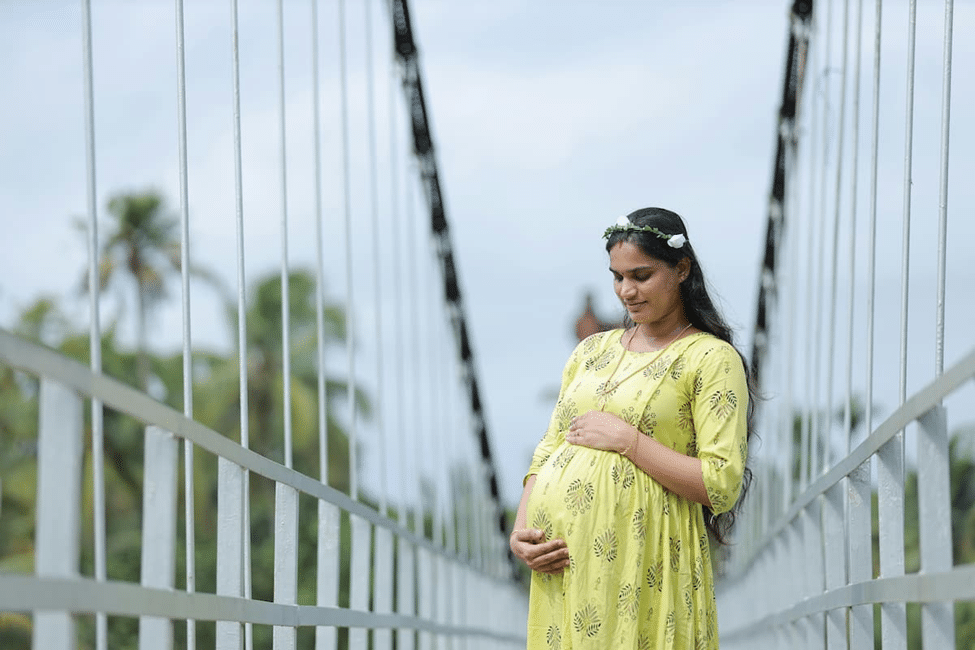
When you are 32 weeks pregnant, you’ve officially entered one of the most exciting and important stages of your pregnancy journey. At this point, both your body and your baby are actively preparing for delivery. Each day brings you closer to holding your little one in your arms, and every change you feel is a sign that your body is doing exactly what it needs to do.
During this 32-week pregnancy, your baby is rapidly growing, gaining more fat, and practicing essential movements such as breathing and sucking. Meanwhile, your uterus continues to expand, which may make your belly feel heavier and tighter. You may also notice stronger kicks and more frequent Braxton Hicks contractions gentle reminders that your body is preparing for labor.
Knowing what to expect during this period helps you stay confident and well-prepared. As you move toward the final stretch, it’s normal to feel both excited and a little anxious. However, with proper rest, nutrition, and awareness, you can make these last weeks of pregnancy healthy and memorable.
In short, being 32 weeks pregnant means you’re just a few steps away from meeting your baby and every moment now counts.
Watch video given below: 32 Weeks Pregnant: Baby Size, Fetus Weight & What to Expect
Watch this helpful video by Bodyfit Vlog on YouTube
32 Weeks Pregnant How Many Months Is That?
Many expectant mothers often ask, “At 32 weeks, how many months pregnant am I?” The answer is simple 32 weeks in pregnancy is about 8 months. You’re now entering the final phase of your journey, known as the third trimester, and only a few weeks remain before your baby arrives.
Understanding 32 Weeks in Pregnancy
Pregnancy is typically divided into three trimesters, and knowing where you stand helps track progress and symptoms more clearly. Here’s a quick breakdown:
- First Trimester: Weeks 1–12 — early development and morning sickness.
- Second Trimester: Weeks 13–27 — visible baby bump and more energy.
- Third Trimester: Weeks 28–40 — final growth and preparation for delivery.
So, being 32 weeks pregnant in months means you’ve already completed most of your pregnancy journey and are now focusing on baby’s finishing touches.
What Happens in 32 Weeks?
Understanding your baby’s progress at this stage gives you a better sense of how close you are to birth. At this stage:
- Your baby is gaining weight rapidly.
- Lungs are maturing and getting ready for breathing.
- You might feel stronger kicks and more pressure on your belly.
- Fatigue, back pain, and shortness of breath may increase slightly.
Your little one is almost ready to meet you. This is a great time to prepare your hospital bag, attend prenatal checkups, and enjoy the last few weeks of your pregnancy journey.
Baby Growth at 32 Weeks Pregnant: Fetal Development
At 32 weeks pregnant, your baby is growing quickly and entering one of the most exciting stages of development. This is the time when fetal growth at 32 weeks focuses on strengthening the body, refining organs, and preparing for life outside the womb.
Major Fetal Development Milestones
By this stage, your baby looks more like a newborn but is still developing in key areas. Here’s what’s happening inside your womb:
- Organs Maturing: The baby’s lungs and digestive system are nearly ready, though the lungs will continue to mature until birth.
- Nervous System Growth: Brain connections are rapidly forming, allowing your baby to practice movements, respond to light, and even begin cycles of sleep and wakefulness.
- Bone Strengthening: While the bones continue to harden, the skull remains soft and flexible to ease delivery.
- Sensory Development: The baby can now detect sounds and light changes and may turn toward your voice.
How Much Should a 32 Week Fetus Weigh?
When it comes to 32-week fetal development, weight and size vary slightly among babies, but on average:
- Average 32-week fetus weight: around 1.7–1.9 kilograms (3.7–4.2 pounds)
- Length: about 42–43 centimeters (16.5–17 inches)
Your little one is growing steadily and gaining about 200 grams per week — a sign that the body is building fat layers to regulate temperature after birth.
Key Highlights of Fetal Growth at 32 Weeks Pregnant
- The baby’s kicks and stretches feel stronger and more frequent.
- Skin appears smoother as fat builds underneath.
- The immune system is developing to fight infections.
- Fine hair (lanugo) begins to shed gradually.
At this stage, every day counts toward preparing your baby for the outside world. The 32-week fetus weight and fetal growth at 32 weeks both indicate your little one is getting ready for a healthy delivery soon.
32 Weeks Pregnant Baby Size: How Big is Your Little One?
At 32 weeks pregnant, your baby has reached a significant milestone in size and growth. By this point, the size of a 32-week fetus can be compared to a squash or a large coconut — round, firm, and filling most of your womb space!
Average 32 Week Fetus Size
The fetus size at 32 weeks pregnant gives a clear idea of how rapidly your baby is developing.
Here are the average growth measurements:
- Weight: Around 1.7–1.8 kilograms (3.7–4 pounds)
- Length: Roughly 42–43 centimeters (16.5–17 inches)
- Head Circumference: About 29–30 centimeters
Your baby’s size is almost the same as a newborn’s proportions, just slightly smaller and leaner.
Inside the Womb: What’s Happening Now
As your baby continues to grow, space inside your uterus gets tighter. However, movement remains strong and coordinated. You may feel:
- More powerful kicks and jabs, especially under the ribs.
- Frequent rolling or stretching movements as the baby adjusts position.
- A noticeable belly shape changes when your baby turns head-down.
These are all healthy signs that the size of the 32-week fetus size is progressing well and that your little one is actively preparing for birth.
Fun Fact
If you could peek inside, your baby now takes up most of the amniotic sac, leaving just enough room to wiggle. Their toenails, fingernails, and hair are more visible — making the size of a 32-week fetus both adorable and amazing!
Average Fetal Weight at 32 Weeks
By the time you reach 32 weeks pregnant, your baby is rapidly gaining weight each day. The average fetal weight of 32 weeks is a key indicator of healthy growth and development. On average, a single baby weighs about 1.7 to 1.9 kilograms (3.7–4.2 pounds) at this stage, though this can vary slightly depending on genetics and nutrition.
📊 Normal Range of 32 Weeks Pregnant Fetus Weight
The weight of a 32-week fetus can differ from one pregnancy to another. Factors like maternal health, placental function, and even baby’s gender can influence overall growth.
Comparison of Baby Growth: Single vs Twin Pregnancy
| Aspect | Single Pregnancy (32 Weeks) | Twin Pregnancy (32 Weeks) |
|---|---|---|
| Size Comparison | Size of a Squash | Size of Two Large Eggplants |
| Average Weight (kg) | 1.7 – 1.9 kg | 1.4 – 1.6 kg each |
| Average Weight (lbs) | 3.7 – 4.2 lbs | 3.0 – 3.5 lbs each |
| Length (cm) | 42 – 43 cm | 40 – 41 cm each |
Note: In twin pregnancies, each baby usually weighs a bit less because they share the same space and nutrients.
Why Fetal Weight May Differ
Even with a typical range, the 32-week fetus weight isn’t the same for everyone. Several factors can affect these measures:
- Genetics: Baby’s weight can be influenced by parents’ height and body size.
- Nutrition: A healthy, balanced diet supports steady fetal growth.
- Placental Health: A strong placenta ensures proper nutrient and oxygen flow.
- Gestational Conditions: Issues like gestational diabetes or hypertension can impact baby’s weight.
As your pregnancy progresses, the average fetal weight of 32 weeks pregnant will continue to rise rapidly around 200 grams per week until delivery. Remember, slightly above or below average weight is usually normal if your doctor confirms healthy development.
32 Weeks Pregnant: What to Expect During the Third Trimester
Entering week 32 of pregnancy means you’re now in the final stretch! Your baby is almost ready for the world, and your body is adjusting in new ways to support this exciting phase. Knowing what to expect for 32 weeks can help you feel prepared, calm, and confident.
Baby Movements and Activity
At this stage, your baby’s movements are stronger, more coordinated, and often very noticeable. You may feel gentle kicks, rolling, or stretching several times a day.
Here’s 32 weeks pregnant what to expect regarding baby activity:
- Frequent kicks, twists, and jabs, especially after meals or at night.
- Occasional hiccups, which show healthy lung development.
- Your baby might change position and begin moving head-down in preparation for birth.
Tip: If movements suddenly slow down or change drastically, contact your healthcare provider for reassurance.
Energy Levels and Physical Changes
You might experience both bursts of energy and moments of fatigue — it’s completely normal during this phase. Your growing belly adds pressure on your back, bladder, and legs.
Here’s week 32 what to expect physically:
- Increased back pain and mild pelvic pressure.
- Shortness of breath as your uterus presses against the diaphragm.
- Swollen feet or ankles, especially in the evening.
- Braxton Hicks contractions, mild and irregular practice contractions.
To ease discomfort, try light stretching, side sleeping, and staying hydrated.
Emotional and Mental State
Emotionally, this can be a mix of excitement and nervousness. Hormonal changes and anticipation may make you more emotional or easily tired.
Here’s 32 weeks what to expect emotionally:
- Strong bonding moments as you feel your baby move.
- Occasional mood swings due to hormonal shifts.
- Nesting instincts — an urge to organize and prepare for your baby’s arrival.
Tip: Gentle breathing exercises, walks, or prenatal yoga can help reduce stress and improve sleep.
At this point, your pregnancy journey is nearing its most beautiful milestone — meeting your baby soon. Understanding 32 weeks pregnancy what to expect helps you embrace every change with confidence and joy.
A Note on “Liquid Gold”: Don’t be surprised if you notice a few spots on your shirt! At 32 weeks, it is completely normal (though not guaranteed) for your breasts to start leaking colostrum. This nutrient-rich “liquid gold” is your body’s way of practicing for your baby’s first feeding. If it happens, simply use a soft nursing pad to stay comfortable.
32 Weeks Pregnant Symptoms Not to Ignore
As you approach the final weeks of your pregnancy, it’s natural to experience new sensations and discomforts. However, some symptoms of 32 weeks of pregnancy may signal complications that require medical attention. Knowing which signs to monitor can help ensure your health and your baby’s safety.
Common but Concerning Symptoms
While many 32-week symptoms are normal, certain changes should never be ignored. Contact your healthcare provider if you notice any of the following:
- Severe or sudden swelling in the hands, face, or around the eyes — may indicate preeclampsia.
- Persistent headaches or blurred vision — can also be a warning sign of high blood pressure.
- Painful or regular contractions (more than 4–5 per hour) — could suggest early labor.
- Sharp abdominal pain or cramping doesn’t go away with rest.
- Decreased baby movement — fewer kicks or weaker motions than usual.
- Vaginal bleeding or fluid leakage — may indicate premature rupture of membranes.
- Burning during urination or back pain — possible signs of urinary infection.
These are the 32 weeks pregnant symptoms not to ignore, as they could point to preterm labor or other medical issues requiring prompt care.
When to Call Your Doctor
Even though minor discomforts are common, it’s best to err on the side of caution. Contact your healthcare provider immediately if:
- You experience tightening contractions that increase in frequency.
- Your baby’s movements slow down noticeably over 24 hours.
- You have severe abdominal or pelvic pressure that feels unusual.
- You feel short of breath, dizzy, or faint.
Tip: Always trust your instincts. If something doesn’t feel right, it’s worth checking with your doctor — even if it turns out to be normal.
Healthy Monitoring at Home
To stay on top of your well-being:
- Track your baby’s kick count daily.
- Monitor your blood pressure if advised.
- Stay hydrated and rested to reduce false labor cramps.
- Attend all prenatal checkups and ultrasound appointments.
At this stage, awareness is key. Recognizing the symptoms of 32 weeks of pregnancy that shouldn’t be ignored allows you to take quick action, protecting both your health and your baby’s growth.

32 Weeks Pregnant Symptoms of Labor or Early Signs
As you reach 32 weeks pregnant, your body may begin to show early signs of labor, even though full-term birth is still several weeks away. At this stage, it’s important to understand the difference between normal pregnancy discomforts and genuine labor indicators, so that you can respond calmly and appropriately.
Common Early Labor Signs at 32 Weeks
If you’re wondering about 32 weeks pregnant symptoms of labor, here are a few possible indicators that your body might be preparing early. In fact, some mild symptoms may simply be your body practicing for delivery:
- Persistent lower back pain or pelvic pressure that doesn’t ease with rest
- Abdominal tightening or cramps occurring at regular intervals
- Increased vaginal discharge or mucus plug release
- Watery leakage, which could indicate amniotic fluid
- A feeling that the baby is pushing down or moving lower into the pelvis
If you’re curious about how your baby is developing right now, read our detailed guide on 16 Weeks in Months Pregnant to learn what changes to expect and how your body is adapting during this exciting stage.
Braxton Hicks vs. Real Contractions
However, it’s very easy to mistake Braxton Hicks contractions for true labor, especially around this stage. To clarify, here’s how you can tell the difference:
Braxton Hicks vs Real Contractions
| Feature | Braxton Hicks | Real Contractions |
|---|---|---|
| Timing | Irregular and infrequent | Regular, getting closer together |
| Duration | Usually short | Longer and stronger over time |
| Pain Level | Mild tightening | Increasing pain and pressure |
| Effect of Rest/Movement | Often stop when you rest or change position | Continue regardless of activity |
When to Contact Your Doctor
On the other hand, if you notice signs of labor at 32 weeks pregnant such as leaking fluid, heavy bleeding, or contractions occurring every 10 minutes or less, you should immediately call your healthcare provider. Because these could be 32 weeks pregnant labour signs, early medical attention is crucial to prevent preterm birth.
Ultimately, as you transition into the final phase of your pregnancy, staying alert to your body’s changes is essential. By recognizing early labor symptoms and responding quickly, you can help ensure both your and your baby’s safety and well-being.
32 Weeks Pregnant Belly: What’s Normal
As you reach 32 weeks pregnant, your belly is now a clear sign of how far you’ve come in your pregnancy journey. At this point, your baby bump is typically large and round, reflecting steady fetal growth and a healthy amniotic fluid level. However, it’s perfectly normal for belly size and shape to vary from one person to another so don’t worry if your bump looks different from someone else’s at the same stage.
Why Belly Size Varies at 32 Weeks Pregnant
Many expectant mothers wonder what’s considered a “normal” 32-week belly. The truth is, every pregnancy is unique, and several factors influence your belly size and shape:
- Baby’s position: Whether your baby is head-down, breech, or sideways can change your belly’s appearance.
- Amniotic fluid levels: More fluid can make the belly look rounder and higher.
- Your body type and muscle tone: A first-time mom may show differently than someone who’s had previous pregnancies.
- Placenta placement: An anterior placenta can make your bump appear larger from the outside.
- Multiple pregnancy: Carrying twins naturally results in a bigger belly at 32 weeks.
Belly Growth by Week: Typical Changes
Below is a simple week-to-week belly growth comparison to help you understand what’s typical around this stage.
Fundal Height and Baby Growth by Week
🩺 Researcher’s Note: Fundal height is measured from the pubic bone to the top of the uterus.
| Week | Fundal Height (cm) | Average Baby Weight | Visual Description |
|---|---|---|---|
| 28 Weeks | 26–30 cm | 1.1 kg | Noticeable bump, rounded lower belly |
| 30 Weeks | 28–32 cm | 1.4 kg | Belly expands upward and outward |
| 32 Weeks | 30–34 cm | 1.7–1.8 kg | Firm, fuller belly; movements more visible |
| 34 Weeks | 32–36 cm | 2.2 kg | Belly often drops as baby settles lower |
*Note: At 32 weeks, your fundal height (in cm) should ideally match your week of pregnancy (+/- 2 cm).
Why Your 32 Weeks Pregnant Belly Feels Hard
You might also notice that your 32 weeks pregnant belly feels hard all the time — this can be due to Braxton Hicks contractions or the baby’s movements. Occasional tightness is normal as your uterus prepares for labor. However, if your stomach stays hard for long periods, becomes painful, or is accompanied by other symptoms like bleeding or fluid leakage, it’s best to contact your healthcare provider immediately.
Key Takeaway
Your pregnant belly at 32 weeks is a sign of a healthy, growing baby — and a body that’s preparing beautifully for birth. If your doctor confirms that the baby’s growth is on track, your belly’s size and shape are just right for you. “By 28 weeks, you’re well into your third trimester — to see how many months that is and what to expect, check out our guide on Third Trimester: Weeks to Months — 28 Weeks.”
Weight Gain at 32 Weeks Pregnant: What’s Healthy and Normal?
By the time you reach 32 weeks pregnant, steady and healthy weight gain becomes essential for both your baby’s development and your own well-being. At this stage, your baby is growing rapidly, and your body is storing the energy it needs for labor and breastfeeding. Understanding 32-week pregnant weight gain can help you stay on track and maintain a balanced, healthy pregnancy.
Expected Weight Gain at 32 Weeks
Typically, by week 32, most pregnant women gain 10 to 14 kilograms (22–30 pounds) in total, depending on their pre-pregnancy weight and body mass index (BMI). However, every woman’s body is different, and slight variations are completely normal.
Here’s a general guide for healthy pregnancy weight gain up to week 32:
Recommended Weight Gain by Pre-Pregnancy BMI (by 32 Weeks)
| Pre-pregnancy BMI | Recommended Total Weight Gain (by 32 Weeks) | Rate per Week in 3rd Trimester |
|---|---|---|
| Underweight (<18.5) | 13–15 kg (28–33 lbs) | 0.5–0.6 kg/week (1–1.3 lbs/week) |
| Normal (18.5–24.9) | 11–13 kg (24–29 lbs) | 0.4–0.5 kg/week (0.9–1.1 lbs/week) |
| Overweight (25–29.9) | 7–9 kg (15–20 lbs) | 0.3 kg/week (0.6 lbs/week) |
| Obese (≥30) | 5–7 kg (11–15 lbs) | 0.2 kg/week (0.4 lbs/week) |
Normal Weight for a 32-Week Fetus
At 32 weeks, your baby typically weighs around 1.7 to 1.8 kilograms (3.7–4 pounds) and measures about 42–43 centimeters (16.5–17 inches) from head to heel. This normal weight for a 32-week fetus indicates that your little one is growing right on schedule — adding layers of fat beneath the skin, strengthening bones, and practicing breathing movements.
If you’re expecting twins, each baby might weigh a bit less — usually 1.4 to 1.6 kilograms (3–3.5 pounds) — which is still perfectly normal for this stage.
Tips for Healthy Weight Gain at 32 Weeks
To maintain balanced 32-week pregnancy weight gain, consider these simple yet effective tips:
- Eat small, nutrient-rich meals every 3–4 hours.
- Focus on lean proteins, fruits, vegetables, and whole grains.
- Stay hydrated, especially if you’re experiencing Braxton Hicks contractions.
- Avoid high-sugar snacks and processed foods.
- Include light exercises like walking or prenatal yoga (if approved by your doctor).
32 Weeks Pregnant with Twins — What’s Different?
Being 32 weeks pregnant with twins is an incredible milestone — you’re carrying not one, but two growing babies who are quickly preparing for life outside the womb. However, this stage can feel quite different compared to a single pregnancy. Your body works extra hard to support both babies, and while you may feel more tired or heavy, you’re also nearing the finish line of a remarkable journey. At 29 weeks, your baby is rapidly developing and gaining weight. To learn more about what to expect during this stage, check out our detailed guide on How Many Months Is 29 Weeks? to understand how far along you are in your pregnancy.
How Twin Pregnancy Differs at 32 Weeks
When you’re pregnant with twins at 32 weeks, your babies are typically developing at a similar pace to singletons, though they might be slightly smaller due to limited space in the uterus. Each baby’s weight at this point usually ranges between 1.4 to 1.6 kilograms (3.1–3.5 pounds), and they measure around 40–41 centimeters (16 inches) in length.
Let’s take a closer look at how twin pregnancy compares:
Single vs Twin Pregnancy at 32 Weeks
| Aspect | Single Pregnancy (32 Weeks) | Twin Pregnancy (32 Weeks) |
|---|---|---|
| Baby Weight | 1.7–1.8 kg | 1.4–1.6 kg each |
| Total Weight Gain (Mother) | 10–14 kg | 14–20 kg |
| Fundal Height | 30–34 cm | 36–40 cm |
| Energy Levels | Moderate fatigue | Higher fatigue and breathlessness |
| Delivery Timeline | Around 40 weeks | Often 36–37 weeks (sometimes earlier) |
Early Labor Risk in Twin Pregnancies
It’s important to remember that being 32 weeks pregnant with twins can come with a slightly higher risk of preterm labor. Many twin pregnancies don’t reach 40 weeks — and some women may go into labor as early as 34–36 weeks. That’s why doctors monitor twin moms closely for early contractions, pressure, or back pain.
If your twins decide to arrive sooner, don’t panic. Many 32-week twins born today do very well, thanks to advanced neonatal care. Babies born at this stage may spend some time in the NICU for breathing and feeding support, but their survival and long-term health outcomes are usually excellent.
Your Belly and Body at 32 Weeks with Twins
Your belly size at 32 weeks pregnant with twins is naturally larger and rounder than a singleton pregnancy — often measuring the same as someone 36–38 weeks along with one baby. This extra fullness can cause:
- Shortness of breath
- Back and pelvic pain
- Difficulty sleeping comfortably
- More frequent urination
- Stronger Braxton Hicks contractions
Despite these challenges, your growing belly is a beautiful sign that both babies are thriving inside you.
Cramping and Spotting for 32 Weeks — Should You Worry?
By the time you reach 32 weeks pregnant, your body is gearing up for labor — so some mild cramping or light spotting can be normal. However, knowing when it’s harmless and when it signals something serious is very important for you and your baby’s safety.
Understanding Cramps for 32 Weeks
Many women experience cramps at 32 weeks as the uterus continues to expand and prepare for labor. These are usually Braxton Hicks contractions — irregular, mild tightening sensations that come and go. They’re your body’s way of practicing for delivery.
Normal cramps at 32 weeks pregnant may feel like:
- Gentle tightening in the abdomen that lasts less than a minute
- Discomfort after standing too long or changing positions
- Mild period-like aches that fade with rest or hydration
However, not all cramps are harmless. If your cramps are regular, painful, or accompanied by back pain or pressure, they might be early signs of preterm labor.
Call your doctor immediately if you have experience:
- Intense cramps that occur every 10–15 minutes
- Lower back pain that doesn’t go away
- Abdominal tightening with pelvic pressure
- Fluid leakage or bleeding
Spotting at 32 Weeks Pregnant — When to Be Concerned
A small amount of spotting at 32 weeks pregnant may happen due to:
- Cervical sensitivity after intercourse or a vaginal exam
- Minor irritation from increased blood flow
- Normal hormonal changes
But period-like bleeding at 32 weeks pregnant or spotting that continues for several hours is not normal and can indicate:
- Placenta previa (when the placenta covers the cervix)
- Placental abruption (when the placenta detaches early)
- Infection or early labor
If you notice bright red bleeding, heavy flow, or clots, seek medical help right away.
What You Can Do to Stay Safe
To ease mild cramps and reduce spotting risk, try:
- Staying well hydrated (dehydration triggers contractions)
- Resting on your side to improve blood flow
- Avoiding heavy lifting or sudden movements
- Tracking contraction frequency and pain level
32 Weeks Preterm Labor: Warning Signs & Precautions
By the time you reach 32 weeks pregnant, your baby is nearly ready for the world — but still needs more time to grow. Therefore, going into preterm labor at this stage can be concerning. Fortunately, by understanding the early warning signs and taking the right precautions, you can act quickly and improve your baby’s chances of staying safe and healthy.
What Is Preterm Labor at 32 Weeks?
To begin with, preterm labor happens when your body starts preparing for delivery before 37 weeks of pregnancy. At 32 weeks, this means your uterus may begin contracting, and your cervix might start to open earlier than expected.
Although labor at 32 weeks Pregnant can feel alarming, it’s important to remember that medical advances have greatly improved survival and recovery rates for babies born at this stage. Still, preventing early birth is always the best approach.
Warning Signs of Preterm Labor
Moreover, being aware of the symptoms can help you act before labor progresses. If you notice any of the following, contact your healthcare provider right away — these could be signs of 32 weeks pre-term labor:
- Regular contractions happening more than 4–6 times per hour
- Constant pelvic pressure or feeling like the baby is pushing down
- Persistent lower back pain that does not ease with rest
- Water discharge or leaking fluid, which could be amniotic fluid
- Spotting or bleeding that continues
- Tightening of the abdomen grows stronger and more frequently
- Change in vaginal discharge, especially if watery or pink
Tip: If you’re unsure whether your contractions are real or false, drink water, lie on your left side, and observe if the cramps ease. If they continue, seek medical help immediately.

Why Preterm Labor Happens at 32 Weeks
Next, it’s important to understand what labor might cause at 32 weeks Pregnant. There are several contributing factors, including:
- Infections, especially urinary or vaginal
- Multiple pregnancies (carrying twins or triplets)
- Placental issues such as abruption or previa
- Chronic health conditions, like diabetes or high blood pressure
- High stress levels or physical strain
- History of preterm birth in previous pregnancies
By identifying these factors early, your doctor can guide you in minimizing your risks.
Precautions to Prevent Preterm Labor
Furthermore, making small lifestyle adjustments can significantly reduce the chances of 32 weeks pregnancy delivery. Try to:
- Stay hydrated, as dehydration can trigger contractions
- Rest frequently and avoid heavy physical activity
- Manage stress using light stretching, meditation, or deep breathing
- Avoid caffeine, alcohol, and smoking entirely
- Attend all prenatal checkups to catch potential problems early
- Report any unusual symptoms to your doctor without delay
These simple steps may not guarantee prevention, but they can greatly lower your risk.
What Happens If Labor Starts at 32 Weeks Pregnant?
If pre-term labor begins despite precautions, don’t panic. Doctors can often delay delivery and give steroids to speed up your baby’s lung development. Additionally, medications may be prescribed to relax the uterus and stop contractions.
Even if delivery does occur, most babies born at 32 weeks are strong survivors. They may spend some time in a NICU (neonatal intensive care unit) to help with breathing, feeding, and maintaining body temperature — but they generally recover well.
Final Thoughts
In conclusion, knowing the warning signs of 32 weeks preterm labor empowers you to act swiftly and protect your baby. With immediate medical care and proper rest, many mothers can delay birth safely and give their babies more time to develop before delivery.
32 Weeks Pregnancy Checklist — Stay Healthy and Prepared
As you reach 32 weeks pregnant, you’re officially in the home stretch of your pregnancy journey. At this stage, your baby is growing rapidly, and your body is preparing for labor. Therefore, it’s the perfect time to focus on self-care, medical appointments, and preparation for delivery. This 32-week pregnancy checklist will help you stay organized and confident as you move closer to meeting your little one.
1. Stay Hydrated Throughout the Day
First and foremost, hydration is key during the last trimester. Your body needs more fluids to support increased blood volume and amniotic fluid.
- Drink at least 8–10 glasses of water daily.
- Include fluids like milk, fruit juices, or smoothies for added nutrition.
- Avoid excess caffeine, as it can lead to dehydration.
Tip: Carry a reusable water bottle to remind yourself to sip frequently.
2. Focus on a Balanced Diet
At 32 weeks, your baby’s bones and brain are developing fast. Thus, maintaining a nutrient-rich diet is vital.
- Eat plenty of protein, calcium, and iron-rich foods.
- Include leafy greens, eggs, and dairy products.
- Snack on nuts, fruits, and whole grains for steady energy.
Reminder: Avoid processed or salty foods that can cause bloating or water retention.
3. Prioritize Rest and Sleep
As your belly grows, finding a comfortable sleeping position can be difficult. However, good rest is crucial for both your mental and physical health.
- Try sleeping on your left side to improve blood flow.
- Use pregnancy pillows for belly and back support.
- Take short naps if nighttime sleep is disrupted.
🩷 Transition: Remember, quality rest helps your baby grow and prepares your body for labor.
4. Keep Up with Doctor Appointments
Next, your prenatal visits become more frequent. Regular checkups allow your doctor to monitor your baby’s position, heart rate, and growth.
- Ask about pre-term labor and what to do if they appear.
- Discuss labor plans, hospital bag essentials, and delivery options.
- Ensure your vaccinations and supplements are up to date.
Tip: Bring a notebook to note any advice or test results.
5. Practice Gentle Exercise and Relaxation
Light movement supports circulation and reduces back pain. However, always get your doctor’s approval first.
- Go for short walks or try prenatal yoga.
- Practice deep breathing or stretching to relieve tension.
- Avoid heavy lifting or intense workouts.
Transition: Exercise not only keeps you fit but also helps your body prepare for labor naturally.
6. Take Care of Your Skin and Body
Stretch marks and itching are common at this stage. To stay comfortable:
- Use moisturizing creams or oils twice daily.
- Wear loose, breathable clothing.
- Avoid standing for long hours to reduce swelling.
7. Follow 32 Weeks Pregnancy Precautions
Finally, take a few extra precautions to ensure a safe final trimester:
- Avoid unnecessary travel or stress.
- Monitor your baby’s movements daily.
- Contact your doctor if you notice bleeding, fluid leakage, or contractions.
- Keep your hospital bag partially packed — just in case!
32 Weeks Pregnant Tips for a Healthy Baby and Mom
At 32 weeks pregnant, you’re nearing the final stretch of your pregnancy journey. Both your body and your baby are growing quickly, and taking extra care of yourself now can make a big difference in your health and comfort. This guide covers nutrition, light exercise, stress management, and natural remedies for back pain and better sleep to help you and your baby stay healthy.
1. Eat Nutritious Meals to Support Baby’s Growth
At this stage, your baby’s brain, bones, and immune system are developing rapidly. Therefore, a well-balanced diet is essential.
- It includes protein-rich foods like eggs, fish, lentils, and chicken.
- Add calcium and iron sources such as milk, yogurt, spinach, and beans.
- Snack on fresh fruits, nuts, and whole grains to maintain energy.
- Avoid junk food, sugary snacks, and excessive caffeine.
Tip: Divide your meals into small portions throughout the day to prevent heartburn and maintain steady energy levels.
2. Do Light Exercise Regularly
Although heavy workouts are not recommended, gentle movements can help with blood circulation and ease body aches.
- Go for short daily walks to stay active.
- Try prenatal yoga or stretching exercises for flexibility.
- Practice pelvic tilts to strengthen your lower back and prepare for delivery.
Transition: However, always consult your doctor before starting any new exercise routine to ensure it’s safe for you and your baby.
3. Manage Stress and Stay Emotionally Balanced
Emotional well-being is just as important as physical health. Hormonal changes may cause anxiety or mood swings, but relaxation techniques can help.
- Practice deep breathing or meditation daily.
- Listen to soothing music or read positive affirmations.
- Spend time with supportive family and friends.
- Get enough rest and sleep — your body needs it to recharge.
Remember: A calm and happy mom helps create a peaceful environment for the baby.
4. Natural Remedies for Back Pain and Better Sleep
Back pain and sleep troubles are common for 32 weeks pregnant, but you can manage them naturally and safely.
For Back Pain:
- Apply a warm compress or take a lukewarm bath to relax sore muscles.
- Use a pregnancy support pillow while sitting or lying down.
- Practice good posture — avoid slouching or standing for long periods.
- Sleep on your left side to reduce pressure on your spine.
Expert Sleep Hack:
Try the “L-Shaped” support method. Use a firm pregnancy pillow between your knees and tuck a small, rolled-up towel directly under your “bump.” This provides the necessary lift to ease that heavy, pulling sensation and aligns your hips for a more restful night.
For Better Sleep:
- Create a calm bedtime routine — dim lights, relax, and avoid screens.
- Drink warm milk with honey before bed (if approved by your doctor).
- Keep your room cool and comfortable.
- Avoid caffeine or heavy meals before sleeping.
Transition: These simple remedies can ease discomfort and help you wake up refreshed, ready for another day of nurturing your growing baby; for a comprehensive overview of fetal development at 32 weeks, visit Parents.com’s Week 32 Pregnancy Guide.
5. Don’t Skip Prenatal Checkups
Lastly, regular doctor visits ensure your baby’s development is on track. Your doctor will monitor your baby’s heartbeat, position, and growth.
- Discuss any new symptoms, back pain, or sleep issues.
- Ask about labor signs and pre-term precautions.
- Continue taking your prescribed prenatal vitamins.
Final Thoughts
In conclusion, being 32 weeks pregnant means, you’re getting closer to meeting your baby — and every healthy choice counts. Focus on balanced nutrition, gentle exercise, stress control, and natural comfort remedies to stay strong and relaxed. With consistent care, both you and your little one can thrive in these final weeks.
FAQs About 32 Weeks of Pregnancy
What’s Next in Your Journey?
Now that you’ve mastered week 32, find out what major milestones await you next week in our guide on 33 Weeks Pregnant, and stay ahead of the curve by learning about the late-term prep in 34 Weeks Pregnant.
Final Thoughts: Embracing the 32-Week Milestone
Reaching the 32 weeks pregnant mark is a beautiful and emotional milestone. You’ve come a long way, and now your body is working harder than ever to prepare for the big day. Every kick, movement, and heartbeat is a reminder that your little one is growing stronger inside you.
At this stage of 32 weeks of pregnancy (about 8 months), it’s completely normal to feel a mix of excitement, anticipation, and even a bit of nervousness. However, remember that your body knows exactly what to do it’s designed for this incredible journey. So, take each day with gratitude, rest when you need to, and nourish yourself with love, care, and positivity.
Tip: Surround yourself with supportive people, keep your doctor updated about any unusual symptoms, and focus on gentle activities that help you relax — like prenatal yoga, light stretching, or calming walks.
As you move closer to meeting your baby, know that every week counts and every effort matters. You’re doing an amazing job, mama! Read more weekly pregnancy updates and helpful tips on BabyCarrierPlus to stay informed and inspired through every stage of motherhood.

Hafiz Nauman Baig is a Lead Researcher and PhD Scholar in Zoology, with a specialized focus on Biomechanics, Anatomical Data Analysis, and Environmental Toxicology. Merging his academic expertise in biological structures with a deep background in physical ergonomics, Nauman evaluates pediatric safety interventions through a rigorous scientific lens.
Unlike standard product reviewers, he utilizes R Studio and statistical modeling to assess clinical safety data. His research spans from evaluating the physiological impact of ergonomic carriers on the infant airway and caregiver’s spine, to analyzing how environmental chemicals (like municipal water additives) compromise the fragile infant skin barrier.
His mission is to bridge the gap between complex biological safety standards and practical, data-driven infant care.
View my verified academic research and clinical profile on ResearchGate.