At 17 weeks pregnant in months, you are officially in your second trimester, and many exciting changes are happening for both you and your baby. At this stage, 17 weeks pregnant is equal to 4 months and 1 week, which means your baby is continuing to grow quickly while your body adjusts to support this new life.
In this guide, we’ll walk you through everything you need to know at 17 weeks, including symptoms, your growing bump, ultrasound insights, fetus size, cramping, and most importantly, what to expect in the coming weeks. With each change, you’ll feel more connected to your pregnancy journey and better prepared for the months ahead.
Watch video given below: 17 Weeks Pregnant | Week By Week Pregnancy
Watch this helpful video by Bridget Teyler on YouTube
17 Weeks Pregnant Is How Many Months?
Many parents often wonder, “17 weeks pregnant is how many months?” The answer isn’t always straightforward because pregnancy can be measured in different ways.
Why Confusion Happens
Pregnancy is tracked differently depending on whether you count by calendar months or lunar months. This can make it tricky to figure out exactly how far along you are.
👉 By calendar months: At this stage, 17 weeks pregnant equals 4 months and 1 week.
👉 By lunar months (28-day cycles): The count may look slightly different, which causes confusion.
Quick Conversion Breakdown
If you’re asking, “17 weeks how many months pregnant?”, here’s a simple way to think about it:
- 1 month = about 4 weeks
- 16 weeks = 4 months
- 17 weeks = 4 months + 1 weeks
- Most doctors consider you to be in your fifth month of pregnancy at this stage
By understanding both the calendar and lunar methods, you’ll feel more confident tracking your pregnancy and knowing what to expect during this exciting stage.
17 Weeks Pregnant Symptoms
As you move further into the second trimester, you may notice both physical and emotional changes. At 17 weeks pregnant, many women begin to experience new symptoms, while others find some early pregnancy discomforts easing up.
Common Symptoms in 17 Weeks pregnant in months
Here are some of the most typical symptoms you might experience:
- Energy boost – Compared to the first trimester, you may feel more energetic and less fatigued.
- Backaches – As your belly grows and your posture shifts, mild to moderate back pain can appear.
- Skin changes – Increased blood flow and hormones may cause a healthy glow but can also bring acne or dark patches (melasma).
- Nasal congestion – Pregnancy hormones can swell the nasal passages, making you feel “stuffed up.”
Emotional Changes
In addition to physical symptoms, you may also notice emotional shifts. For example, increased excitement about feeling your baby’s movements can lift your mood. On the other hand, occasional mood swings or worries about upcoming changes are also normal.
Overall, the mix of symptoms at this stage reflects your body’s ongoing adjustments to pregnancy.
17 Weeks Pregnant Bump and Belly Changes
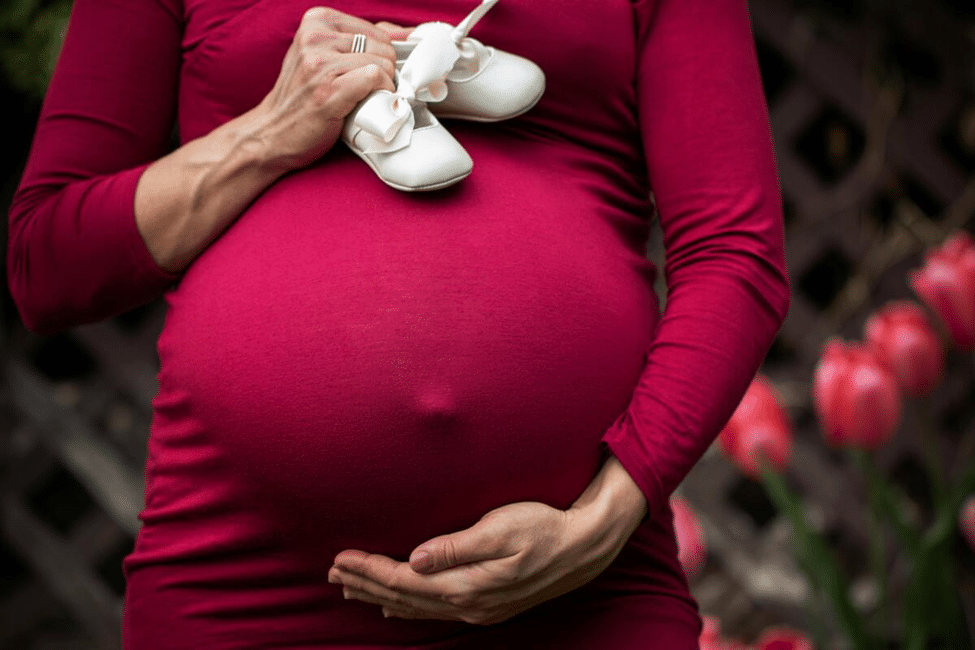
At this stage, your 17 weeks pregnant in months bump is becoming more noticeable as your uterus continues to expand. Most women begin showing clearly by now, although the growth of the 17-week pregnancy belly can vary from person to person.
What Affects the Size of Your Bump?
There are a few factors that explain why your belly may look different compared to other moms-to-be:
- Body type – Petite women often show earlier, while taller women may carry differently.
- First vs. second pregnancy – If this is your second pregnancy, your abdominal muscles are more relaxed, which can make your bump appear sooner and larger.
- Baby’s position and growth – The way your baby is lying in the uterus can influence how round or pointed your belly looks.
Normal Variations
It’s important to remember that every pregnancy is unique. Some women have a small, compact bump at 17 weeks, while others already look visibly pregnant. If your doctor confirms healthy growth during checkups, the size of your bump is usually nothing to worry about.
17 Weeks Pregnant and Cramping – Is It Normal?
It’s common to wonder, “Is it normal to be 17 weeks pregnant and cramping?” The good news is that mild cramping at this stage is often part of normal pregnancy changes.
Why Cramping Happens in 17 Weeks
As your uterus expands to make room for your growing baby, the surrounding muscles and ligaments stretch. This can lead to round ligament pain, which often feels like a sharp or pulling sensation on one or both sides of the lower abdomen. In addition, gentle cramps may occur after physical activity, sudden movements, or even dehydration.
When Cramping Is Normal
In most cases, mild cramping at 17 weeks pregnant in months is:
- Short-lived and not severe
- Triggered by stretching, exercise, or movement
- Relieved by rest, hydration, or changing positions
When to Call Your Doctor
However, there are times when cramping requires medical attention. Contact your healthcare provider if there are cramps:
- Persistent, severe, or worsening
- Accompanied by bleeding or spotting
- Paired with dizziness, fever, or unusual discharge
Final Reassurance
In short, while 17 weeks pregnant cramping is often due to your body adjusting to growth, it’s always best to listen to your instincts and call your doctor if something feels off.
17 Weeks Pregnant Ultrasound
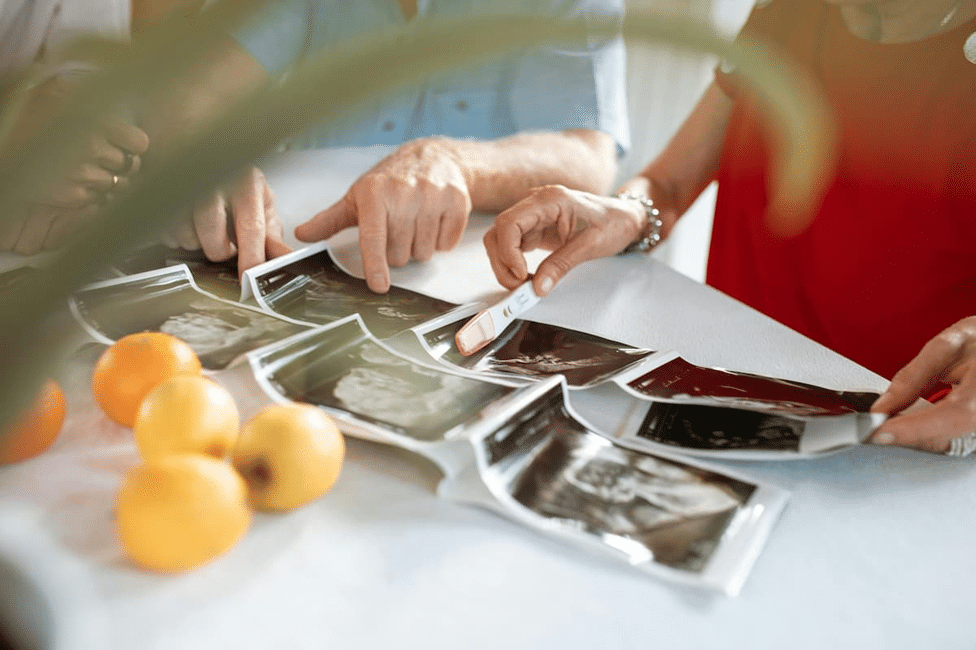
By now, many parents look forward to their 17 weeks pregnant ultrasound to get a closer glimpse of their growing baby. At this stage, the scan offers both exciting visuals and important medical information.
What You’ll See in the Ultrasound
During an ultrasound of 17 weeks pregnant in months, you may notice:
- Baby movements – Your little one may be stretching, kicking, or even sucking their thumb.
- Facial features – The nose, lips, and chin are becoming more defined, giving you an early preview of your baby’s profile.
- Heartbeat – The ultrasound confirms that your baby’s heart is beating strongly and steadily.
- Placenta health – Doctors check the placenta’s position and blood flow to ensure your baby is receiving the nutrients they need.
Why This Ultrasound Matters
Not only is it magical to see your baby moving, but this ultrasound also helps doctors monitor healthy growth. In some cases, the technician may even be able to tell you the baby’s sex—if your little one is in the right position.
In short, a 17-week pregnancy ultrasound provides reassurance for parents while offering doctors valuable insights into your baby’s development.
17 Week Fetus Size and Development
At this stage, you may be curious about the size of a 17-week fetus. On average, your baby is about 5 inches long and weighs around 5 ounces—roughly the size of a pomegranate.
Key Developments at 17 Weeks pregnant in months
As your baby grows, several exciting changes are taking place:
- Bones are hardening – The skeleton is becoming stronger as cartilage turns into bone.
- Baby fat is forming – A small layer of fat begins to develop, which will help regulate body temperature after birth.
- Hearing sounds – Your baby can start to hear muffled sounds, including your voice and heartbeat.
- Movements increase – Kicks and stretches are becoming stronger and may soon be felt more clearly by you.
If you’re curious about the week before, check out our detailed guide on 16 weeks in months pregnant to see how your baby’s development has progressed.
Why This Stage Is Important
The rapid growth and development during week 17 set the foundation for the months ahead. By understanding the milestones, you can better appreciate the progress your baby is making inside the womb.
17 Week Pregnancy – What to Expect
At this point in your journey, you might be asking not only what to expect at 17 weeks pregnant but also how it fits into your timeline. In fact, 17 Weeks Pregnant in Months equals 4 months and 1 week, placing you well into your second trimester.
Body Changes in 17 Weeks pregnant in months
As your pregnancy progresses, your body continues to adapt in noticeable ways:
- Posture shifts – Your growing bump changes your center of gravity, which may affect your balance.
- Weight gain – In addition, increased appetite often leads to steady weight gain during the second trimester.
- More energy – Compared to earlier weeks, many moms-to-be feel less tired than in the first trimester.
Emotional Expectations
Alongside these physical changes, emotional shifts are also common. On one hand, you may feel more connected and excited as your baby grows. On the other hand, it’s natural to experience mood swings or worries as the reality of parenthood sinks in. If you’re curious about how your journey is evolving as your due date approaches, take a look at our detailed guide on 36 weeks pregnant symptoms and signs to see what to expect in these final weeks.

Final Thoughts
Overall, by understanding where you are 17 Weeks Pregnant in Months and knowing what changes to expect, you’ll feel more confident navigating this stage. As each week passes, your body continues to prepare for the months ahead, bringing you closer to meeting your baby.
Tips for Moms at 17 Weeks Pregnancy
As you settle into the second trimester, it’s important to focus on habits that support both you and your baby. At 17 Weeks Pregnant in Months (4 months and 1 week), these practical tips can help you feel your best.
Nutrition Matters
- Iron-rich foods – Support healthy blood flow and prevent anemia by including spinach, beans, and lean meats.
- Calcium – Strengthen your baby’s bones with dairy products, fortified plant milks, or leafy greens.
- Omega-3s – Help brain development with foods like salmon, chia seeds, or walnuts.
Safe Exercise
In addition to good nutrition, gentle physical activity can boost your energy and improve circulation. Try:
- Walking
- Prenatal yoga
- Swimming
(Always check with your doctor before starting new routines.)
For in-depth insights on what to expect at this stage, check out this helpful guide on 17 weeks pregnant from the American Pregnancy Association.
Rest and Stress Management
At the same time, prioritizing rest is essential. Short naps, proper sleep, and relaxation techniques like meditation or deep breathing can lower stress levels and keep you balanced.
When to Consult a Doctor
However, it’s important to seek medical advice if you notice:
- Severe or persistent cramping
- Vaginal bleeding
- Dizziness, fever, or unusual discharge
Final Note
Overall, by combining healthy nutrition, safe exercise, and proper rest, you’ll feel more prepared for the changes that come with 17 Weeks Pregnant in Months. Always listen to your body, and don’t hesitate to reach out to your healthcare provider when needed.
FAQs About Being 17 Weeks Pregnant
Is cramping at 17 weeks pregnant normal?
Yes, mild cramping at 17 weeks pregnant is usually normal. This is often due to round ligament pain, which happens as your uterus stretches to support your growing baby. However, if the pain is severe, persistent, or accompanied by bleeding, it’s important to call your doctor right away.
What does a 17-week pregnancy belly look like?
By 17 weeks, most moms notice a visible 17-week pregnancy belly or bump. At the same time, the shape and size vary depending on your body type, whether it’s your first pregnancy, and how your baby is positioned.
How big is my baby at 17 weeks?
At this stage, the size of a 17-week fetus is about 5 inches long and like a pomegranate. In addition, the baby is developing stronger bones, forming fat layers, and beginning to hear outside sounds.
What should I expect at my 17-week pregnancy ultrasound?
During a 17-week pregnant ultrasound, you can often see your baby’s facial features, movements, heartbeat, and placenta health. Moreover, this is a wonderful chance to bond with your baby and check development progress.
Is 17 weeks pregnant considered 4 months?
Yes, 17 weeks pregnant in months is 4 months and 1 week. The confusion often arises because some people calculate using calendar months while others use lunar months. Therefore, it’s always best to go by week for accuracy.
Final Thoughts
In conclusion, reaching 17 weeks pregnant in months means you’re well into your second trimester and experiencing some exciting changes. From common symptoms and the growing bump to the details of the ultrasound and the size of a 17-week fetus, there’s a lot happening both physically and emotionally.
Moreover, many moms find that this stage is one of the most comfortable in pregnancy. Your energy often returns, your baby is becoming more active, and you can look forward to meaningful milestones in the weeks ahead.
Therefore, it’s important to focus on healthy habits, such as proper nutrition, safe exercise, and regular prenatal care. By doing so, you’ll not only support your baby’s development but also enjoy this special stage of pregnancy with confidence and peace of mind. For an additional perspective on this stage of pregnancy, you can also explore The Bump’s 17 weeks pregnant guide for more insights.

Hafiz Nauman Baig is a Researcher and PhD Scholar in Zoology, with a specialized focus on Biomechanics and Anatomical Data Analysis. Merging his academic expertise in biological structures with a deep background in Physical Ergonomics and strength mechanics, Nauman evaluates baby gear through a rigorous scientific lens.
Unlike standard product reviewers, he utilizes R Studio and statistical modeling to assess safety data, focusing on the physiological impact of carriers on the infant airway and the caregiver’s spine. His mission is to bridge the gap between complex biological safety standards and practical, pain-free babywearing.