
Medical Disclaimer: The medical information provided in this article is for educational and informational purposes only and is not intended to serve as a substitute for professional medical advice, diagnosis, or treatment. Always consult with your physician, obstetrician, or other qualified healthcare provider regarding any questions you may have about your pregnancy, symptoms, or medical conditions.
🔬 Evidence-Based Clinical Summary
Researched & Compiled By: Hafiz Nauman Baig, PhD Scholar (Scientific & Medical Researcher)
This guide is a comprehensive literature review synthesized strictly from the latest obstetric guidelines published by authoritative institutions including the ACOG, NHS, and Mayo Clinic. It is provided for educational purposes and should not replace professional medical triage.
Reaching 11 weeks pregnant is a profound milestone. You have nearly completed your first trimester, and the physiological changes occurring within your body and your developing baby are accelerating rapidly. By this stage, the debilitating early symptoms of gestation may begin to ease as the placenta takes over hormonal control, marking a critical transition in your pregnancy journey.
In this comprehensive clinical guide, we will explore the exact biometric growth of your fetus, deconstruct the mechanics of the 11-week ultrasound (including the NT scan), and address the profound psychological shifts—such as the anxiety of disappearing symptoms—that many expectant parents experience during this week.
Watch video given below: 11 Weeks Pregnant | Week By Week Pregnancy
Video Summary: In this educational video, childbirth educator Bridget Teyler outlines the common physiological changes at 11 weeks pregnant, including the transition of hormonal control to the placenta and strategies for managing lingering first-trimester fatigue and digestive changes.
Important Note: The remedies discussed in third-party media, including the use of essential oils, represent the creator’s personal views. Always consult your obstetrician before introducing new supplements, vitamins, or holistic remedies into your routine during pregnancy.
11 Weeks Pregnant Symptoms: Physiological Context
At 11 weeks pregnant, your body is managing a massive surge in blood volume and hormonal output. Understanding the biological mechanisms behind your symptoms can help you navigate this transition.
Cardiovascular Shifts and Rhinitis
To adequately supply the expanding uterus, your body begins pumping up to 50% more blood. This cardiovascular adaptation frequently causes Pregnancy Rhinitis (a chronic stuffy nose caused by swollen nasal mucosa, not a cold), tension headaches, and occasional dizziness when standing quickly.
Gastrointestinal Discomfort (Bloating)
Bloating and constipation are primarily driven by progesterone, a hormone that systemically relaxes smooth muscles. While this prevents premature uterine contractions, it also severely slows gastric motility, leading to excess gas and constipation.
Morning Sickness vs. Hyperemesis Gravidarum (HG)
While routine nausea affects up to 75% of pregnancies and may peak around week 11 before tapering off, it is critical to recognize Hyperemesis Gravidarum (HG). If you are vomiting more than three times a day, cannot retain fluids, or notice dark urine (dehydration), you must seek immediate medical intervention. HG affects roughly 3 in 100 pregnancies and often requires intravenous hydration and prescription antiemetics.
11 Weeks Pregnant in Months
If you’re wondering how far along you are, being 11 weeks pregnant in months means you’re just under 3 months pregnant. Pregnancy is often tracked in weeks, which can sometimes feel confusing. However, by converting weeks into months, you get a clearer picture of where you currently stand.
How 11 Weeks Fits into Pregnancy
At 11 weeks, you’re still in your first trimester, but you’re also getting very close to the exciting milestone of the second trimester. In fact, this stage serves as a bridge between the early development phase and the upcoming period of rapid growth and more visible changes.
- Weeks 1–12 → First trimester
- Weeks 13–27 → Second trimester
- Weeks 28–40 → Third trimester
Overall, understanding this timeline helps you track your progress more easily and prepares you for the changes ahead.
Diagnostic Imaging: The 11-Week “Dating Scan”
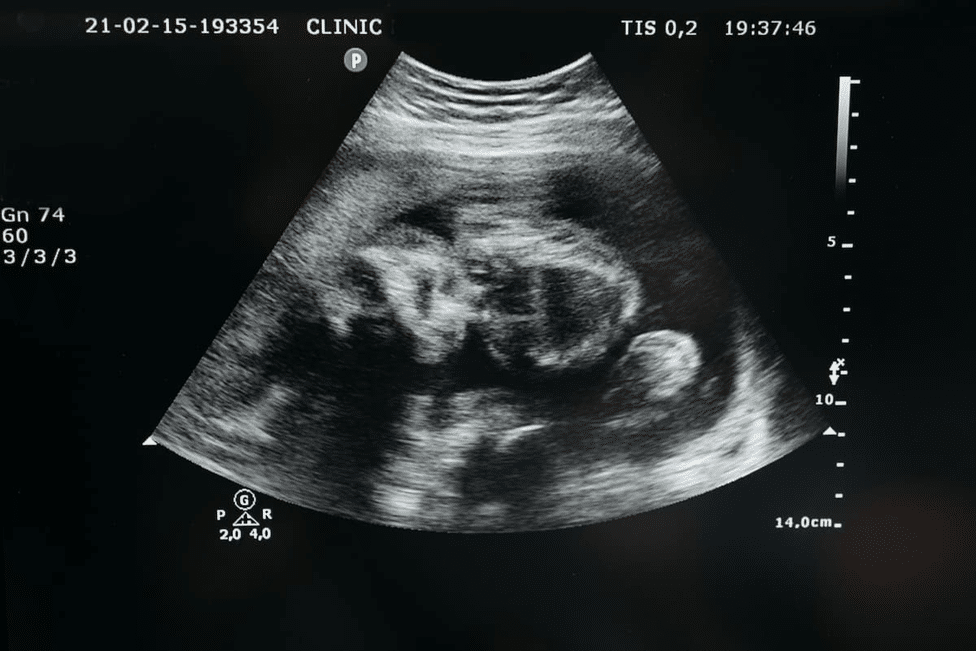
Week 11 sits squarely in the optimal clinical window for your first major obstetric ultrasound, frequently referred to as the “Dating Scan.” This high-resolution imaging provides critical data regarding fetal viability and development.
- Establishing Gestational Age: The sonographer will measure the Crown-Rump Length (CRL). Because first-trimester growth is highly consistent, this measurement provides a precise Estimated Date of Delivery (EDD) that often overrides dates calculated by your last menstrual period.
- Cardiac Activity: The ultrasound will visually map the four chambers of the heart, confirming a healthy fetal heart rate typically between 120 and 160 beats per minute.
- Uterine Environment & Multiplicity: The scan surveys the placenta, assesses amniotic fluid volume, examines the maternal ovaries and uterus for any abnormalities or cysts, and definitively diagnoses multiple pregnancies.
Deconstructing the Nuchal Translucency (NT) Screening
Around this week, your doctor may recommend the NT scan. This specialized ultrasound meticulously measures the anechoic (dark) space—a collection of fluid—located behind the fetal neck. An enlarged fluid measurement can indicate a higher statistical risk for chromosomal aneuploidies (specifically Trisomy 21, Trisomy 18, and Trisomy 13) or congenital heart defects.
Clinical Note: The NT scan is almost always combined with a maternal blood draw measuring specific proteins (hCG and PAPP-A) to form the “Combined Screening Test.” It is essential to remember that this is a screening test (which estimates risk), not a diagnostic test (like Amniocentesis or CVS).

Baby’s Growth & Fetal Development in 11 Weeks
At 11 weeks, the fetus undergoes a rapid growth spurt. The torso begins to lengthen, and the overall posture straightens out from its previously curved, C-like embryonic shape. Despite this lengthening, the head still comprises approximately half of the total fetal length due to rapid brain development.
| Gestational Age | Average Crown-Rump Length (CRL) | Average Fetal Weight | Developmental Comparison |
|---|---|---|---|
| 10 Weeks | 1.22 inches (3.1 cm) | 0.14 oz (4 g) | Strawberry |
| 11 Weeks | 1.50 – 2.00 inches (4.1 cm) | 0.25 – 0.33 oz (7-10 g) | Fig / Lime |
| 12 Weeks | 2.13 inches (5.4 cm) | 0.49 oz (14 g) | Plum |
| 13 Weeks | 2.64 – 2.90 inches (6.7 cm) | 0.81 – 2.58 oz (23-73 g) | Lemon |
Organ Development
Your baby’s internal systems are becoming more functional, preparing for the second trimester.
- Major organs: The heart is fully formed, possessing four distinct chambers and functional heart valves, pumping at a rapid 120 to 160 beats per minute. The liver and kidneys are also actively functioning.
- Liver is producing red blood cells
- Kidneys are beginning to release urine
- Brain continues to grow rapidly, forming new neural connections
Bones, Fingers & Toes
The skeletal structure is developing, giving shape to little movements.
- Bones are hardening and becoming stronger
- Limb Refinement: The webbed, frog-like appearance of the early embryonic hands and feet completely resolves, leaving distinct, separate fingers and toes with tiny nail beds.
- Neuromuscular Coordination: Nerves and muscles work together to produce small, jerky fetal movements, including forward rolls and somersaults (though you won’t feel them yet).
- Muscles are beginning to coordinate with nerve signals
Hair Follicles & Nail Beds
This week also introduces tiny details that make your baby look even more like a newborn.
- Dermatological Genesis: As the skin develops from the ectoderm layer, a new intermediate cell layer forms. It is within this specific layer that the baby’s hair follicles first emerge, establishing the permanent pattern for the individual’s lifetime.
- Nail beds developing on fingers and toes
- Eyelids are more developed, though still fused shut
- Skin remains thin and transparent at this stage
👉 In short, at 11 weeks pregnant, your baby is moving from basic organ development toward fine details like nails, hair, and bone growth—an exciting milestone before entering the second trimester.
The Psychology of Week 11: The “Disappearing Symptoms” Phenomenon
If you are 11 weeks pregnant with no symptoms, you might feel profound anxiety rather than relief. A highly common psychological phenomenon occurs during this week: pregnant individuals wake up realizing their breasts are no longer sore, their nausea has vanished, and their energy has returned. This sudden lack of symptoms frequently triggers intense panic regarding a Missed Miscarriage (MMC).
Clinical Reassurance: It is crucial to understand that the sudden disappearance of nausea and tenderness around week 11 is not typically a harbinger of loss. Rather, it is a standard physiological milestone. Between weeks 10 and 12, the placenta assumes full responsibility for progesterone and estrogen production, leading to a stabilization of the extreme hormonal fluctuations. Fluctuating symptoms—where you feel highly pregnant one day and completely normal the next—are the absolute hallmark of a healthy transition into the second trimester.
👉 In short, being 11 weeks pregnant with no symptoms can be normal, especially as your body transitions into the second trimester. However, if anything feels unusual, checking with your healthcare provider can give you peace of mind. “Curious about how your pregnancy progresses? Head over to our guide on 15 weeks pregnant—how many months that is, baby size, and symptoms to compare how your body and baby’s development will evolve by then.”
11 Weeks Pregnant Symptoms of Miscarriage
While most pregnancies progress normally, it’s important to recognize possible signs of miscarriage at 11 weeks pregnant. At this stage, the risk is lower than in the early weeks, but complications can still occur. Being aware of the warning signs can help you take quick action if necessary.
Warning Signs to Watch For
If you are 11 weeks pregnant, keep an eye out for these potential symptoms:
- Heavy vaginal bleeding (more than a period)
- Severe abdominal or pelvic cramps that don’t ease with rest
- Passing blood clots or tissue from the vagina
- Sudden loss of pregnancy symptoms (such as nausea, breast tenderness, or fatigue)
- Severe back pain or pelvic pressure
When to Seek Urgent Care
Not every cramp or spot of blood means miscarriage, but you should contact your healthcare provider immediately if:
- Bleeding is heavy and accompanied by strong pain
- You pass clots or grayish tissue
- You feel faint, dizzy, or weak
- You are worried something feels “off”
👉 In summary, being 11 weeks pregnant with signs of miscarriage can be frightening, but knowing the symptoms and seeking urgent care ensures you get the right support as soon as possible.
Tips for Moms at 11 Weeks Pregnant
As you move through this stage, taking care of yourself directly supports your baby’s growth and development. At 11 weeks pregnant, your energy may begin to return soon, so this is a great time to focus on healthy routines.
Macronutrient and Micronutrient Imperatives
At 11 weeks, caloric requirements have not yet increased; however, nutrient density is paramount to support the rapid cellular division occurring in the fetus. Clinical guidelines strongly recommend focusing on the following specific requirements:
- Folic Acid/Folate (600 mcg daily): Crucial for closing the neural tube and preventing defects. Rich sources include lentils, edamame, and spinach.
- Calcium (1,000 to 1,300 mg daily): With fetal ossification beginning, maternal calcium reserves are heavily drawn upon. Adequate intake prevents the fetus from depleting maternal bone density.
- DHA Omega-3s (200 to 300 mg daily): The primary structural component of the fetal brain and retina. Safest sources include wild-caught salmon (limited to 8-12 oz weekly) or algae-based supplements.
- Iron (27 mg daily): Required to manufacture hemoglobin as maternal blood volume expands by up to 50%. Because iron exacerbates constipation, couple it with high-fiber foods.
- Protein (approx. 75g daily): Amino acids serve as the foundational building blocks for fetal cellular replication.
Oral Health and Pregnancy Gingivitis
An often-overlooked aspect of early pregnancy is oral health. Increased estrogen and progesterone alter the oral microbiome, making gums highly susceptible to plaque buildup—a condition known as “pregnancy gingivitis.” Furthermore, recurrent vomiting from morning sickness exposes tooth enamel to highly corrosive stomach acid. It is strongly advised to rinse the mouth thoroughly after bouts of morning sickness to protect enamel and maintain rigorous dental hygiene. Furthermore, integrating a diet rich in Vitamin C (such as strawberries and oranges) is highly recommended to support collagen production and strengthen delicate gingival tissue.
✨ In short, following these 11 weeks pregnant tips for moms will keep you strong, nourished, and ready as you prepare to enter the second trimester. “As your pregnancy journey progresses, it’s helpful to peek at what lies ahead—check out our in-depth guide on 36 weeks pregnant: symptoms, signs, and what to expect to prepare for the final stretch before delivery.”

Partner’s Role at 11 Weeks Pregnant
At 11 weeks pregnant, a partner’s role becomes more meaningful than ever. Moms-to-are often coping with fatigue, hormonal shifts, and emotional ups and downs. This is a time when supportive actions—both big and small—can strengthen the bond between partners and create a nurturing space for the growing baby.
Providing Emotional Support
Pregnancy can feel overwhelming, and many women experience mood swings, anxiety, or uncertainty during this stage. As a partner, showing empathy and patience goes a long way.
- Listen actively without judgment
- Reassure her during moments of doubt
- Celebrate small milestones like the first ultrasound or hearing the baby’s heartbeat
This emotional reassurance helps her feel secure and valued.
Helping With Fatigue and Daily Responsibilities
By 11 weeks, fatigue is still common, and routine tasks may feel exhausting. A partner can step in to ease the burden.
- Share chores such as laundry, cooking, and cleaning
- Encourage rest breaks throughout the day
- Prepare nutritious meals and snacks to support her health
Taking on extra responsibilities shows care and keeps her from feeling overwhelmed.
Being Present at Prenatal Appointments
Prenatal visits are important moments of connection for both parents. Attending them together not only strengthens your bond but also keeps partners informed about the baby’s growth.
- Join in for ultrasounds to see the baby’s movements
- Ask questions to understand medical updates
- Show encouragement during tests like the nuchal translucency screening
Being present helps both parents feel equally involved in the pregnancy journey.
👉 In summary, when partners actively participate at 11 weeks pregnant, it creates a supportive environment that benefits both mom and baby. This involvement builds trust, reduces stress, and lays the foundation for strong parenting teamwork.
When to Call Your Doctor 11 Weeks Pregnant
While most pregnancies progress smoothly, it’s important to know when certain symptoms may signal something more serious. At 11 weeks pregnant, listening to your body and reaching out to your healthcare provider when needed can help ensure your safety and your baby’s well-being.
Severe Cramps or Heavy Bleeding
Mild cramping can be normal as your uterus grows, but sharp or persistent pain combined with heavy bleeding may indicate complications.
- Heavy bleeding with clots
- Intense, one-sided cramps
- Dizziness or fainting along with pain
👉 These symptoms should never be ignored and require urgent medical attention.
Fever, Chills, or Unusual Discharge
Infections during pregnancy can pose risks if untreated. If you notice unusual changes, it’s best to call your doctor right away.
- Fever over 100.4°F (38°C)
- Chills or flu-like symptoms
- Foul-smelling or unusual vaginal discharge
Prompt medical care helps prevent infections from spreading and affecting your pregnancy.
Concerns About Fetal Movement (Later Weeks)
At 11 weeks, you won’t feel fetal movement yet, but as your pregnancy progresses, you’ll begin noticing kicks and flutters. Once movement is established, a sudden decrease or absence of activity may be concerning.
- Baby’s movement feels weaker than usual
- Noticeable reduction in kicks after the second trimester
- No movement for several hours when baby is usually active
Even though this becomes relevant in later weeks, knowing what to expect prepares you for the months ahead.
✅ In short: Trust your instincts. If something feels unusual or alarming, it’s always safer to contact your healthcare provider rather than waiting.
FAQs ❓ About Being 11 Weeks Pregnant
1) Is 11 weeks pregnant 3 months?
Yes. At 11 weeks pregnant, you’re essentially finishing the 3rd month. Clinically, pregnancy is tracked in weeks, but 11 weeks roughly aligns with the end of month three and the beginning of month four.
2) Can you feel the baby move at 11 weeks?
No—it’s too early to feel movement externally. Your baby does move, but the motions are too subtle to notice yet. Most people first feel flutters (quickening) between 16–22 weeks.
3) Should my belly be showing at 11 weeks?
Maybe a little—maybe not yet. Both are normal. Belly size varies based on:
- First pregnancy vs. subsequent pregnancies
- Body type and abdominal muscle tone
- Bloating and water retention
4) What not to eat at 11 weeks pregnant?
Avoid foods that raise infection or toxin risks:
- Raw/undercooked meat, eggs, or seafood
- Unpasteurized milk/cheeses
- High-mercury fish (e.g., swordfish, king mackerel)
- Deli meats unless heated until steaming
- Excess caffeine and all alcohol
Focus on balanced nutrition to support fetal growth.
5) Can ultrasound detect abnormalities at 11 weeks?
Often, early insights are possible. An 11-week ultrasound can check:
- Heartbeat and early movements
- Overall early structural development
- Nuchal Translucency (NT) screening for some chromosomal conditions
However, the detailed anatomy scan is typically performed at 18–20 weeks.
Conclusion
At 11 weeks pregnant, every woman’s journey is unique. Some may notice symptoms fading, while others still experience nausea, fatigue, or food cravings. No matter what you’re feeling, this week marks an exciting milestone—you’re almost in the second trimester, when many moms begin to feel more energized and comfortable.
Remember, while guides like this give you a general idea of what to expect, your experience may be different. Always consult your doctor for personalized medical advice, especially if you have concerns about symptoms, nutrition, or your baby’s development.
👉 For more week-by-week pregnancy updates, helpful tips, and guides, visit babycarrierplus.com.

Hafiz Nauman Baig is a Lead Researcher and PhD Scholar in Zoology, with a specialized focus on Biomechanics, Anatomical Data Analysis, and Environmental Toxicology. Merging his academic expertise in biological structures with a deep background in physical ergonomics, Nauman evaluates pediatric safety interventions through a rigorous scientific lens.
Unlike standard product reviewers, he utilizes R Studio and statistical modeling to assess clinical safety data. His research spans from evaluating the physiological impact of ergonomic carriers on the infant airway and caregiver’s spine, to analyzing how environmental chemicals (like municipal water additives) compromise the fragile infant skin barrier.
His mission is to bridge the gap between complex biological safety standards and practical, data-driven infant care.
View my verified academic research and clinical profile on ResearchGate.