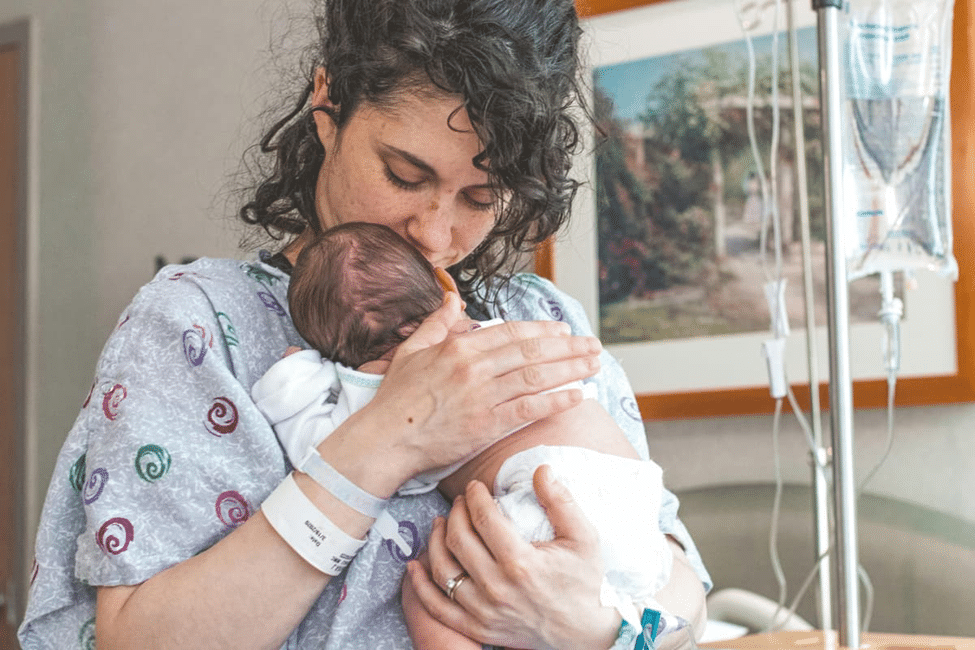
If you’ve ever wondered, “What is a postpartum doula?”—you’re not alone. A postnatal doula is a trained support professional who assists new mothers and families in the crucial days and weeks after childbirth. Specifically, they provide non-medical postpartum care focused on the emotional, physical, and practical needs of new moms. For example, postpartum doulas help with breastfeeding support, basic newborn care, recovery tips, sleep routines, and even light household tasks—making the transition to life with a newborn smoother. Unlike birth doulas who assist during labor, postpartum doulas focus entirely on the post-birth period.
As a result, this kind of support can be especially helpful for first-time moms or those with limited help at home. Ultimately, hiring a postpartum doula can ease anxiety, promote healing, and create a more positive start to your parenting journey. “If you’re planning to pump and store milk, don’t miss our complete 2026 guide to storing breast milk—it covers everything from fridge safety to freezer tips.”
As explicitly defined by the International Childbirth Education Association (ICEA), the overarching objective of a postpartum doula is the act of “mothering the mother”. While they assist with newborn tasks to allow parents to sleep or shower, their primary focal point remains the empowerment, education, and physiological recovery of the birthing parent, ensuring the stabilization of the entire family system.
Watch video below: What Is A Postpartum Doula?
Watch this helpful video by Helping Hands Doula on YouTube
The Perinatal Workforce Matrix: Postpartum Doula vs. NCS vs. Baby Nurse
A frequent point of confusion for expectant parents is distinguishing between the various professionals operating within the perinatal space. Unlike a birth doula who strictly supports the labor and delivery process, a postpartum professional manages the critical “fourth trimester” transition. However, understanding the exact scope of practice between different postpartum providers is crucial for both safety and budgeting.
| Professional Designation | Primary Focus of Care | Duration of Engagement | Clinical / Medical Authority | Household Task Involvement |
|---|---|---|---|---|
| Postpartum Doula | The birthing parent and the holistic family system. | Flexible options (several weeks to months, day or night). | None. Strict non-medical scope of practice. | High. Light housekeeping, meal prep, sibling care. |
| Newborn Care Specialist (NCS) | The physical and developmental needs of the infant (sleep conditioning). | Typically 2 to 4 months, primarily overnight care. | None. Specialized in developmental and sleep routines. | Low. Tasks strictly limited to the baby’s direct needs. |
| Baby Nurse (Night Nurse) | The medical and physiological health of the infant. | Short-term transitional care (first few weeks up to 2 months). | High. Must be a Registered Nurse (RN) or Licensed Practical Nurse (LPN). | Low. Focus remains entirely on clinical infant care. |
| IBCLC | Clinical diagnosis and management of complex lactation issues. | Short, targeted clinical consultations and follow-ups. | High. Board-certified clinical lactation expert. | None. Exclusively focused on feeding assessment and treatment. |
Postpartum Doula vs Birth Doula
Many people wonder about the difference between a postpartum doula and a birth doula—and it’s an important distinction to make when planning your birth and recovery support.
To begin with, a birth doula provides emotional and physical support during labor and delivery. They assist with pain management techniques, breathing exercises, and offer encouragement throughout childbirth. In contrast, a postpartum doula steps in after the baby is born, offering care focused on recovery, newborn routines, breastfeeding help, and emotional reassurance during those first few weeks. “Wondering what the final weeks of pregnancy look like? Check out our detailed guide on 36 weeks pregnant symptoms and what to expect to help you prepare for labor and delivery.”
So, when do you need each one?
You might choose a birth doula if you want a calm, supportive presence throughout labor and delivery. On the other hand, if your biggest concerns involve breastfeeding, sleep deprivation, or adjusting to life with a newborn, a postpartum doula is the better fit.
Ultimately, some families choose to work with both—a birth doula and a what is a postpartum doula—because each brings unique support during different phases of the parenting journey. Together, they help create a more confident, supported, and smoother transition into life with a newborn. “Curious about registry options? Be sure to check out our guide on the Walmart Baby Registry: 7 Must‑Know Tips, Welcome Box & Benefits for 2026 to make the most of your registry experience.”
Services Offered by a Post-birth doula
A postpartum doula offers more than just an extra set of hands, provides thoughtful, personalized support designed to meet the unique needs of both the new mom and her family. From emotional reassurance to practical help, here’s what you can typically expect:
1. Emotional Support & Mental Health Care
First and foremost, a what is a postpartum doula offers essential emotional support, something every new mom needs during the ups and downs of the fourth trimester. Whether you’re dealing with the baby blues or facing postpartum anxiety, a doula is there to listen to, offer gentle reassurance, and connect you with trusted mental health resources if needed. The postpartum period represents a critically vulnerable psychological window. While many mothers experience the normative “baby blues,” a significant portion will develop clinical Perinatal Mood and Anxiety Disorders (PMADs). An authoritative Cochrane Review involving nearly 16,000 women concluded that continuous doula support buffers psychological stress and significantly lowers the odds of developing postpartum depression.
While doulas do not diagnose clinical depression, they are trained to deploy evidence-based screening tools like the Edinburgh Postnatal Depression Scale (EPDS)—which comprehensively screens for anxiety and suicidal ideation—and the Patient Health Questionnaire (PHQ-9) to identify crossing scoring thresholds and refer parents to licensed psychiatric care. While focusing on pelvic health and safe diagnostics is critical, clarifying common personal care questions like can I dye my hair while pregnant helps expectant mothers avoid unnecessary chemical exposure during gestation.
2. Breastfeeding and Lactation Assistance
Equally important, a postpartum doula provides hands-on educational support with basic infant feeding—whether you’re navigating early latching techniques, pacing bottle feeds, or learning breast pump mechanics. However, it is crucial to understand their scope limits: for complex feeding pathologies such as severe oral tethers (tongue ties) or pathological low milk supply, the doula will immediately refer you to an International Board Certified Lactation Consultant (IBCLC) for clinical diagnosis and treatment.
3. Newborn Care Guidance
In addition, a postpartum doula gently guides new parents through the basics of newborn care—like diapering, swaddling, burping, and giving baby’s first baths. This hands-on support not only eases anxiety but also builds confidence, helping parents feel more at ease in those early days.
4. Physical Recovery Tips for Moms
According to the strict parameters established by DONA International, a certified postpartum doula operates under a strict non-medical mandate. They are explicitly prohibited from performing clinical tasks such as checking blood pressure, examining cesarean incisions, or prescribing herbal treatments. However, their continuous presence makes them a critical first line of defense. Postpartum doulas are rigorously trained to identify life-threatening physiological “red flags” and escalate them to emergency medical care. These include symptoms of Postpartum Preeclampsia (severe headaches, right rib pain), Postpartum Hemorrhage (soaking a pad per hour, passing large clots), and Deep Vein Thrombosis/Stroke (unilateral leg weakness, slurred speech).
A critical ethical and regulatory nuance involves the dual-licensed professional. According to DONA International guidelines, if a postpartum doula also holds a valid clinical license—such as a practicing Registered Nurse (RN)—they must completely bifurcate these roles. If contracted as a non-medical doula, they are strictly prohibited from executing clinical tasks for that client, maintaining an uncompromised boundary between educational family support and medical practice. Tracking late-pregnancy changes helps evaluate your body’s readiness for labor, and understanding milestones like cervical effacement indicates how much the cervix has thinned out.”
5. Light Household Help and Meal Prep
Finally, a postpartum doula can ease the daily load by helping with light housekeeping, preparing simple meals, or even handling quick errands. Though these may seem like small tasks, they offer tremendous relief—giving new moms more time to rest, heal, and bond with their baby. “Looking for safe sleepwear for your little one? Check out our guide on baby sleep sack tips, sizing, and sleeved options to help you choose what’s best for your baby’s comfort and safety.”

Benefits of Hiring a Postpartum Doula
Hiring a postpartum doula can make a remarkable difference in the early weeks after birth. From recovery to emotional wellbeing, here are some of the top benefits:
1. Reduced Stress and Better Rest
To begin with, postpartum doulas help reduce stress by offering consistent support and guidance. With a doula managing daily tasks and answering questions, new moms can rest more, which aids recovery and improves mood.
2. Improved Breastfeeding Success
In addition, postpartum doulas offer expert help with breastfeeding. They can assist with latch, feeding positions, and common issues, making it easier to establish a successful breastfeeding routine.
3. Faster Physical and Emotional Recovery
Postpartum doulas also contribute to faster recovery. By supporting both the physical healing process and emotional adjustment, they help moms regain strength and confidence sooner.
4. Support for Partners and Family Members
Finally, doulas don’t just support moms, they also help partners and family members adjust. By guiding everyone involved, they foster a more peaceful, informed, and connected home environment.
When and How Long to Hire a Postpartum Doula
Choosing the right time to hire a postpartum doula can significantly enhance your recovery and early parenting journey. “Planning for pumping on the go? Dive into our comprehensive Wireless Breast Pump Guide for 2026 to compare top models, portability tips, and smart features.”
Ideal Timing: Before or After Birth?
It’s best to hire a postpartum doula before birth, ideally in your third trimester. This allows time to discuss your expectations, create a postpartum care plan, and ensure availability right after delivery. However, if you’re already postpartum, it’s not too late—many doulas offer flexible scheduling and can start support immediately. “If you’re considering what a maternal care assistant does, you might also find this comprehensive guide helpful: Should You Hire a Postnatal Doula? by What to Expect, which adds expert-backed considerations and real-life scenarios.”
Duration: How Many Weeks or Months of Support?
Most families hire a postpartum doula for the first 6–12 weeks after birth, which is often the most intense recovery period. However, some may choose support for just a few days, while others continue for several months, depending on their needs. Doulas typically offer flexible packages ranging from a few hours per day to overnight support.
How to Choose the Right Newborn care specialist
Finding the right postpartum doula can make a big difference in your recovery and early parenting experience. Here’s what to consider when making your choice.
1. What Certifications or Training to Look For
First things first—make sure your postpartum doula has the right training. While certification isn’t always a must, it’s a good sign they’ve received proper education in newborn care, breastfeeding support, and helping moms recover both physically and emotionally. Look for certifications from trusted organizations like DONA International, CAPPA, or ICEA—these show the doula takes their role seriously and is prepared to support you with confidence and care.
2. Questions to Ask Before Hiring
Next, during the interview process, ask key questions like:
- How many families have you supported in postpartum?
- What does a typical shift include?
- Do you offer night or weekend support?
- Are you trained in breastfeeding or mental health first aid?
Asking the right questions helps ensure you find someone whose style and services align with your family’s needs. Explore this official guidance on Family support doula care provided by the NYC Health Department: Doula Care — NYC Health — it explains how departing families can benefit from these services, including in-home visits and emotional support during the postpartum period.
3. The Financial Ecosystem: Medicaid, TRICARE, and Corporate Benefits
Historically viewed as a luxury, postpartum doula care is rapidly becoming integrated into state insurance and corporate benefit structures. As of early 2026, 26 states and Washington, D.C., have implemented Medicaid reimbursement frameworks for doula services. For example, California reimburses up to $3,200 total for comprehensive support, while Michigan allows claims processed via the CHAMPS system using standardized HCPCS billing codes like T1032 (services per 15 minutes) and T1033 (per diem labor support).
Beyond state Medicaid, federal and private programs have massively expanded coverage:
Corporate Fertility Benefits: Platforms like Maven Clinic (via the Maven Wallet), Progyny, and Carrot Fertility allow employees of major corporations to submit invoices for direct reimbursement of postpartum doula care. Critically, as of 2026, platforms like Carrot Fertility have instituted strict stipulations requiring individual doulas to be officially registered as providers with state Medicaid programs in order for their services to be eligible for corporate reimbursement. Furthermore, when processing reimbursement claims under HCPCS Code S9445 for postpartum check-ins, the submission often mandates specific billing modifiers, such as the ‘HD’ modifier for pregnant or parenting women’s programs, or the ’95’ modifier to certify that the doula care was officially rendered via telemedicine.

Common Myths About Postpartum Doulas
When people first look up what a postpartum doula is, they often run into a few common myths. To set the record straight, let’s break down some of the biggest misconceptions.
1. “Postpartum Doulas Are Only for Rich Moms”
At first, hiring a postpartum doula might seem like a luxury—but it doesn’t have to be. Many doulas offer flexible pricing, sliding-scale rates, or custom support packages to fit different budgets. And when you consider the emotional support, hands-on help, and even reduced stress or healthcare costs they can bring, it’s clear that their services are often a smart and valuable investment.
2. “They Replace Nurses or Midwives”
Another common misconception is that postpartum doulas serve the same role as nurses or midwives. But a postnatal doula offers non-medical support—such as newborn care guidance, emotional encouragement, and help with everyday tasks. Instead of replacing healthcare providers, doulas complement them by filling the gap in hands-on support during the postpartum period. Want a deeper dive into what a postpartum doula does? Check out this helpful guide from BabyList: What Is a Postpartum Doula? — it offers real-world perspectives and key insights backed by new parent experiences.
Real Experiences from Moms: What Is a Postpartum Doula Like in Real Life?
To truly understand what is a postpartum doula, it helps to hear directly from moms who have worked with one. Here are a few real-world insights that highlight the emotional and practical support doulas provide during the early days of motherhood:
⭐ “A Lifesaver After Birth”
“I had no idea what a postpartum doula did until I hired one. She helped with my baby’s sleep, made meals, and most importantly, made me feel heard. I finally felt like I wasn’t alone.” — Sarah T. For a deeper look into whether a postpartum doula is right for you, check out this helpful article on Parents.com.
⭐ “More Than Just Baby Help”
“At first, I thought postpartum doulas were just baby nurses. But mine supported my mental health, taught me how to swaddle, and even talked to my husband about how to help me better. It made a huge difference.” — Jamila R. “To learn more about postpartum doula training, check out DONA International’s official certification program—it outlines requirements, workshop formats, and what skills you’ll gain.”
⭐ “Best Decision for My Family”
“I didn’t even know what is a postpartum doula until a friend recommended one. Having her around gave me time to rest, recover, and bond with my baby without the pressure of doing everything myself.” — Megan D.
In short, these stories show that postpartum doulas offer more than just help—they provide comfort, connection, and confidence for new moms navigating an overwhelming time. For a medically reviewed overview of what a postpartum doula does and how they support new parents, check out this helpful WebMD article.
FAQs About Postpartum Doulas
Still wondering what is a postpartum doula and how they can help? These frequently asked questions address key concerns new parents have:
1. Are postpartum doulas covered by insurance?
While coverage can vary, some insurance providers or HSAs now reimburse postpartum doula services, especially if part of a wellness plan. It’s best to check with your insurer and ask if services from a certified doula are eligible.
2. Can postpartum doulas help with twins or C-section recovery?
Absolutely. Whether you’re recovering from a C-section or caring for multiples, a postpartum doula offers hands-on support—like lifting assistance, infant feeding guidance, and emotional care—tailored to your unique situation.
3. What is the average cost of a postpartum doula?
On average, postpartum doulas charge between $25–$65 per hour, depending on location, experience, and services included. Many offer bundled packages for longer-term support, so be sure to ask.
4. Is postpartum doula care available virtually or online?
Yes, virtual postpartum doula support has become increasingly popular. Through video calls and messaging, doulas can offer emotional coaching, newborn tips, and feeding support—even from afar.
5. What is the difference between a night nurse and a postpartum doula?
Though both offer newborn care, a postpartum doula focuses on holistic family support, including the mother’s mental and physical recovery—while a night nurse typically handles baby care overnight. Understanding what is a postpartum doula can help you choose what’s best for your needs.
Final Thoughts: Is Postpartum Doula Right for You?
By now, you might be asking yourself—is a postpartum doula the right choice for my family? The answer depends on your needs, support system, and birth recovery plan.
Who Benefits Most from a Postnatal Doula?
If you’re a first-time parent, recovering from a C-section, having twins, or simply feeling overwhelmed, a postpartum doula can make a world of difference. Their gentle guidance, emotional reassurance, and hands-on help bring calm to the often-chaotic newborn days.
How to Take the Next Step
To begin, explore local or virtual postpartum doula directories, ask for referrals from your care provider, and schedule interviews. Look for certified professionals who align with your parenting style and values. Taking this step now can ease your transition into parenthood later. For further insights into the role and advantages of a Post-birth doula, explore this in-depth article on Healthline: Role of a Postnatal Doula — it provides medically reviewed information and practical tips for new parents.
Health Equity and Culturally Competent Care
Maternal health outcomes vary drastically across racial lines, with Black and American Indian/Alaska Native women experiencing substantially higher rates of severe maternal morbidity and mortality largely driven by systemic inequities. Postpartum doulas play a fundamentally essential role in mitigating these disparities by providing culturally congruent care and fiercely advocating for informed consent within hostile medical systems. Organizations like the National Black Doula Association (NBDA) provide rigorous 12-week certification pathways that deeply integrate trauma-informed care and radical inclusivity, ensuring doulas serve as vital advocates for vulnerable families.
About the Author: Hafiz Nauman Baig is a PhD Scholar in Zoology specializing in Fisheries at Quaid-i-Azam University. Leveraging advanced statistical data analysis in R Studio and research expertise in aquatic adaptation and oxidative stress, he provides rigorous, evidence-based safety and ergonomic evaluations for baby gear.