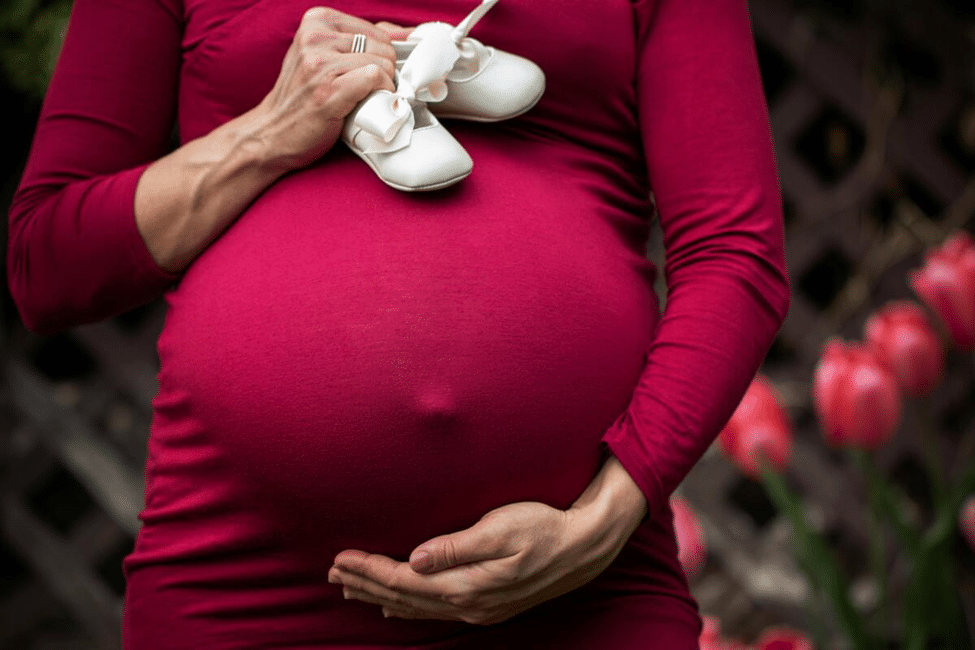
At 37 weeks pregnant, your body is getting ready for labor, and you may start to notice several changes. You might feel more tired as your body works extra hard to support your baby. Back pain can also become more common because of the added weight and shifting posture. As your baby moves lower into the pelvis, you may feel pressure or heaviness in your lower body. It’s also normal to experience Braxton Hicks contractions — those irregular, sometimes uncomfortable “practice” contractions that help your body prepare for real labor.
In short, these 37-week pregnancy symptoms are normal signs that your body is almost ready for delivery. Try to stay active, rest when you need to, and use relaxation techniques to ease any discomfort during these final weeks.
Watch video given below: Your pregnancy: 37 weeks
Watch this helpful video by Today’s Parent on YouTube
37 Weeks Pregnant Symptoms Not to Ignore
At 37 weeks pregnant, most of what you’re feeling is your body’s natural way of preparing for labor. However, it’s also important to know the difference between normal discomfort and signs that something might be wrong. While many symptoms are perfectly normal, a few warning signs shouldn’t be ignored and may need immediate medical attention.
Warning Signs to Watch For
37 weeks pregnant symptoms not to ignore include:
- Spotting or unusual bleeding – Light spotting can be normal, but heavy bleeding may indicate a complication.
- Severe or persistent pain – Sharp abdominal or pelvic pain could signal preterm labor or other issues.
- Decreased fetal movement – A noticeable reduction in your baby’s activity can indicate distress and should be checked immediately.
In conclusion, while fatigue, back pain, and Braxton Hicks contractions are common at this stage, pay close attention to any unusual signs. Contact your healthcare provider promptly if you notice any of these symptoms to ensure the safety of both you and your baby. For more detailed information, visit the SMA Baby week-by-week guide for 37 weeks pregnant.
37 Weeks Pregnant Symptoms of Labor
As you reach 37 weeks pregnant, your body may start showing signs that labor is approaching. Firstly, contractions may become more frequent, stronger, and regular, signaling the onset of early labor. In addition, you might notice the passing of the mucus plug, which can appear as a thick, jelly-like discharge tinged with blood. Furthermore, some women experience water breaking, either as a sudden gush or a slow trickle, indicating that labor is imminent.
Other early labor signs can include:
- Lower back pain and cramping that comes and goes
- Increased pelvic pressure as your baby moves down
- Nesting instincts or sudden bursts of energy
In summary, recognizing these 37 weeks pregnancy symptoms of labor can help you know when it’s time to contact your healthcare provider or head to the hospital. Staying informed ensures safer and more prepared delivery experience.
37 Weeks Pregnant: Symptoms, Labor Signs, Fetal Development, and What to Expect
| Category | Details | What You May Feel | Tips & Care |
|---|---|---|---|
| Common Symptoms | Fatigue, back pain, pelvic pressure, frequent urination | You may feel heavier and experience irregular contractions (Braxton Hicks) | Rest often, stay hydrated, and practice gentle stretches |
| Labor Signs | Regular contractions, mucus plug loss, water breaking | Cramping and pressure in the lower abdomen | Keep your hospital bag ready and track contraction timing |
| Fetal Development | Baby weighs around 3 kg and measures 48–50 cm | Baby’s lungs and brain are fully developed | Continue eating nutrient-rich foods to support final growth |
| Full Term Status | Pregnancy is considered full term at 37 weeks | You may notice your belly dropping lower | Avoid heavy lifting and prepare for labor at any time |
| What to Expect | Possible onset of early labor symptoms | Slight increase in vaginal discharge | Maintain contact with your healthcare provider |
| Diet & Lifestyle | Focus on protein, iron, and calcium | Increased hunger and fatigue | Eat smaller, frequent meals and take short walks daily |
37 Weeks Reduced or Less Movement
At 37 weeks pregnant, you may notice changes in your baby’s activity. While it’s normal for movement patterns to vary, 37 weeks pregnant reduced movement or 37 weeks pregnant less movement can sometimes indicate that your baby is in distress. Usually, babies become slightly less active as they run out of room, but any sudden decrease or unusual change in movement should not be ignored.
When to Call a Doctor
If you experience any of the following, contact your healthcare provider immediately:
- A noticeable reduction in your baby’s kicks or movements compared to usual
- No fetal movement for several hours despite attempts to stimulate activity (e.g., drinking cold water or lying on your left side)
- Any sudden or unusual patterns of movement that concern you
In conclusion, paying close attention to your baby’s movements at 37 weeks pregnant is crucial. Promptly calling your doctor can ensure both your safety and your baby’s well-being.
Labor Signs at 37 Weeks
As you reach 37 weeks pregnant, it’s important to recognize the early signals that your body is preparing for childbirth. Common 37-week labor signs include:
- Regular contractions that gradually become stronger and closer together
- Lower back pain or cramping that comes and goes
- Loss of the mucus plug, which may appear as a pink or blood-tinged discharge
- Water breaking, either as a gush or a slow leak
- Increased pelvic pressure as your baby moves lower into the birth canal
These are common labor signs at 37 weeks that indicate delivery could happen soon.
Tips to Prepare for Delivery
To be ready for labor in 37 weeks, consider the following tips:
- Pack your hospital bag early, including essentials for you and your baby
- Arrange transportation to the hospital in advance
- Practice relaxation and breathing techniques to manage contractions
- Stay in close contact with your healthcare provider for guidance
In summary, knowing the labor signs at 37 weeks and preparing ahead can make your delivery experience smoother and safer for both you and your baby.
Fetal Development at 37 Weeks
At 37 weeks pregnant, your baby is considered early term and is almost ready for life outside the womb. Understanding fetal development at 37 weeks can help you track your baby’s growth and readiness for birth.
Baby’s Size and Weight
- On average, the baby weighs around 6 to 6.5 pounds (2.7–3 kg)
- The length is approximately 19 to 20 inches (48–51 cm) from head to toe
Organ Maturity
- The lungs are fully developed, though some babies may continue to refine breathing after birth
- The brain and nervous system are still maturing, preparing for sensory responses and coordination
- Other organs, including the liver and kidneys, are functioning well enough to support life outside the womb
In summary, 37 weeks’ fetal development shows that your baby is almost ready for delivery. While growth continues until birth, most major systems are developed, and your baby is prepared to thrive outside the uterus.
Pregnancy Development at 37 Weeks
As your pregnancy develops at 37 weeks, your body is preparing for the final stage of pregnancy. Many women notice a combination of physical changes and symptoms as they approach delivery.
Body Changes and Common Symptoms
- Increased pelvic pressure as your baby drops lower into the birth canal
- Fatigue and back pain due to the added weight and changes in posture
- Braxton Hicks contractions, which may become more noticeable
- Swelling in the feet and ankles and frequent urination
37 Week Twin Pregnancy
- Twins at 37 weeks are usually considered full-term, though some may deliver slightly earlier
- Each baby typically weighs between 5.5–6 pounds (2.5–2.7 kg), depending on growth and placental support
- Mothers carrying twins may experience stronger pelvic pressure and more pronounced fatigue
37 Week Newborn Development
- Babies born at 37 weeks are generally healthy, with fully developed lungs and organs
- They can feed and maintain body temperature outside the womb, though some may need extra monitoring initially
In summary, 37 weeks pregnancy development includes noticeable body changes, common symptoms, and a fully developed baby ready for birth. Twin pregnancies and singletons at this stage are usually considered early term but well-prepared for life outside the womb.

37 Weeks Pregnant in Months
Many expectant mothers wonder about 37 weeks pregnant in months. Since pregnancy is typically calculated at 40 weeks, 37 weeks of pregnancy is approximately 8 months and 3 weeks.
Understanding the Conversion
- 37 weeks pregnant months: This means you are in the ninth month of pregnancy, nearing full term.
- How many months is 37 weeks pregnant? You are officially in your ninth month, with only a few weeks left until your baby’s expected arrival.
In summary, knowing that 37 weeks of pregnancy is how many months helps you better understand your stage of development and prepare for the final weeks before labor.
Full-Term Pregnancy at 37 Weeks
Reaching 37 weeks pregnant is an important milestone because it is considered full term. This means your baby is sufficiently developed and ready for birth. For further information, check out the guide on Parents.
Key Points About 37 Weeks Full Term
- 37 weeks pregnant is full term: Babies born at this stage are generally healthy and capable of thriving outside the womb.
- 37 weeks’ delivery is safe: Most organs, including the lungs and brain, are mature enough to support life outside the uterus.
- Babies born at 37 weeks may be slightly smaller than those born at 40 weeks, but they typically do not face serious complications.
In summary, reaching 37 weeks full term signals that your pregnancy has reached a stage where delivery is safe for both mother and baby, and labor could occur at any time.
What to Do at 37 Weeks Pregnant
Reaching 37 weeks pregnant means you are in the final stretch and knowing what to do now can help you prepare for labor and delivery. At this stage, most babies are full-term, and it’s important to focus on prenatal care, healthy habits, and mental preparation.
Tips for 37 Weeks Pregnant
1. Prenatal Care
- Continue regular check-ups with your healthcare provider
- Monitor baby’s movements daily and report any reduced activity
- Discuss your birth plan and hospital arrangements
2. Diet and Nutrition
- Eat a balanced diet rich in protein, iron, calcium, and fiber
- Stay hydrated to prevent dehydration and support labor
- Avoid heavy, processed, or overly salty foods to reduce swelling
3. Exercise and Physical Activity
- Engage in light activities such as walking or prenatal yoga
- Focus on pelvic floor exercises to prepare for labor
- Rest as needed to manage fatigue and back pain
4. Preparing Mentally and Physically
- Learn breathing and relaxation techniques for labor
- Pack your hospital bag in advance
- Prepare your home and family for the baby’s arrival
5. Understanding Labor Chances
- At 37 weeks, there is a high chance of going into labor, though some pregnancies may continue to 40 weeks or beyond
- Being prepared helps reduce stress and ensures you’re ready for early labor
In summary, knowing 37 weeks pregnant what should I be doing helps you stay healthy, monitor your baby, and be ready for delivery. Focusing on prenatal care, diet, exercise, and mental preparation ensures both you and your baby are well-prepared for this exciting stage. 👉 For more expert insights on what to expect during week 37 of pregnancy, visit What to Expect – 37 Weeks Pregnancy Guide.

37 Week Belly & Physical Changes
At 37 weeks pregnant, your belly is noticeably larger as your baby continues to grow and drop lower into the pelvis. This stage comes with several physical changes that are normal but may feel uncomfortable at times.
Physical Changes in 37 Weeks
- 37-week belly: Your abdomen may feel heavy and tight due to the baby’s size and position
- Swelling: Common in feet, ankles, and hands, caused by fluid retention
- Posture changes: Back pain and altered posture may occur as your center of gravity shifts
- Other body changes: Shortness of breath, frequent urination, and Braxton Hicks contractions are common
Preparing for Delivery
- 37-week pregnancy delivery: Since you are now full-term, it’s a good time to finalize your hospital bag, confirm transportation, and review your birth plan
- Gentle exercises and pelvic floor stretches can help prepare your body for labor
- Stay hydrated and rested to manage discomfort and fatigue
In summary, the 37-week belly and physical changes are part of your body’s preparation for childbirth. Understanding these changes and preparing for delivery can help you feel more confident and ready for labor. For more details about 37 weeks pregnant, visit the official Aptaclub website.
Preparing for Delivery for 37 Weeks
As you reach 37 weeks pregnant, it’s essential to be ready for labor and delivery. Proper preparation helps reduce stress and ensures both you and your baby are safe.
Hospital Bag Checklist
- Comfortable clothing, maternity bras, and slippers
- Toiletries and personal hygiene items
- Important documents: ID, insurance, and birth plan
- Baby essentials: newborn clothes, diapers, and swaddle blankets
- Snacks, water, and phone charger for comfort
Monitoring Contractions and Signs of Labor
- Track the frequency, duration, and intensity of contractions
- Watch for water breaking or loss of the mucus plug
- Note lower back pain, pelvic pressure, or regular contractions as indicators labor may be starting
Communication with Your Healthcare Provider
- Keep your provider informed about any changes in fetal movement
- Report unusual symptoms, including bleeding, severe pain, or decreased baby activity
- Ask questions about delivery preferences, pain management, and postpartum care
In summary, being prepared at 37 weeks pregnant with a packed hospital bag, monitored contractions, and clear communication with your healthcare provider ensures a safer and smoother labor experience. For more detailed information, check out the guide on The Bump.
FAQs – 37 Weeks Pregnant
At 37 weeks, focus on self-care and preparing for labor. Continue prenatal visits, eat healthy, stay hydrated, and do light walking or stretching. Pack your hospital bag and practice relaxation techniques to stay calm and confident.
- Spotting or unusual bleeding
- Severe abdominal or pelvic pain
- Decreased fetal movement or sudden change in activity
37 weeks is considered full term. Your baby’s lungs, brain, and organs are fully developed to support life outside the womb, and delivery is generally safe.
- Weight: 6–6.5 pounds (2.7–3 kg)
- Length: 19–20 inches
- Fully developed lungs, kidneys, liver, and brain
Contact your doctor if you notice reduced fetal movements.
- Regular, stronger contractions
- Loss of mucus plug
- Water breaking
- Increased pelvic pressure or back pain
- Heavier, lower belly as the baby drops
- Swelling in feet and hands
- Back pain and posture changes
- Frequent urination and shortness of breath
Conclusion
At 37 weeks pregnant, your body and baby are entering the final stages of preparation for birth. During this time, you may experience common symptoms such as fatigue, back pain, pelvic pressure, and Braxton Hicks contractions, while also noticing changes in your belly and posture. At 37 weeks pregnant, it’s important to stay aware of key labor signs such as regular contractions, losing your mucus plug, or your water breaking. By this stage, your baby is almost fully developed typically weighing around 6 to 6.5 pounds and measuring about 19 to 20 inches long. Most of their organs are mature and ready for life outside the womb.
At 37 weeks, your pregnancy is considered full term, and delivery is generally safe for both you and your baby. Stay informed, track your baby’s movements, and enjoy these final weeks with calm and confidence. For more detailed information, visit the Nestlé Baby & Me website.

Hafiz Nauman Baig is a Researcher and PhD Scholar in Zoology, with a specialized focus on Biomechanics and Anatomical Data Analysis. Merging his academic expertise in biological structures with a deep background in Physical Ergonomics and strength mechanics, Nauman evaluates baby gear through a rigorous scientific lens.
Unlike standard product reviewers, he utilizes R Studio and statistical modeling to assess safety data, focusing on the physiological impact of carriers on the infant airway and the caregiver’s spine. His mission is to bridge the gap between complex biological safety standards and practical, pain-free babywearing.