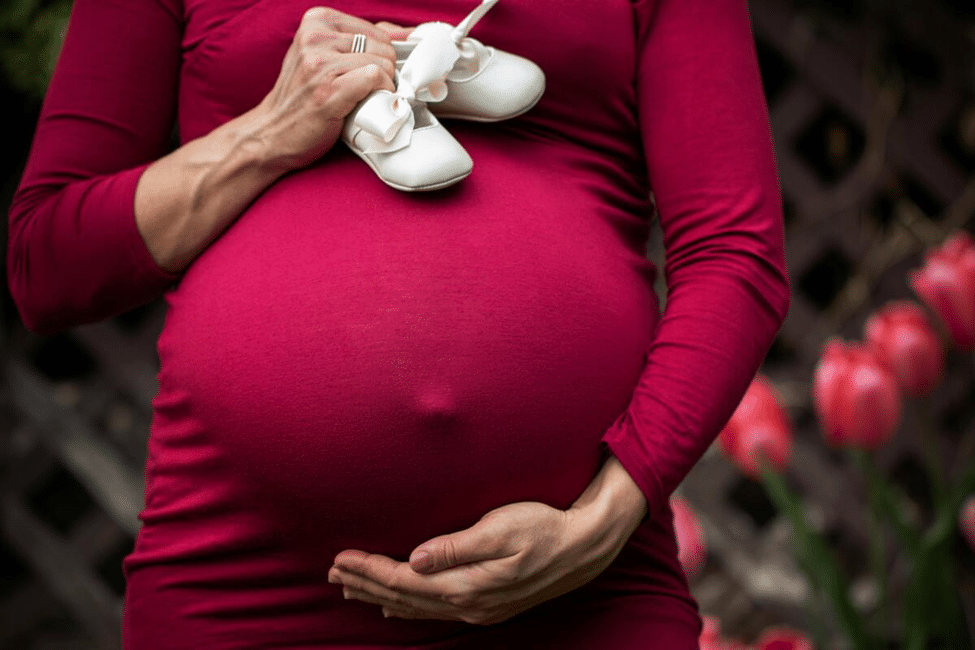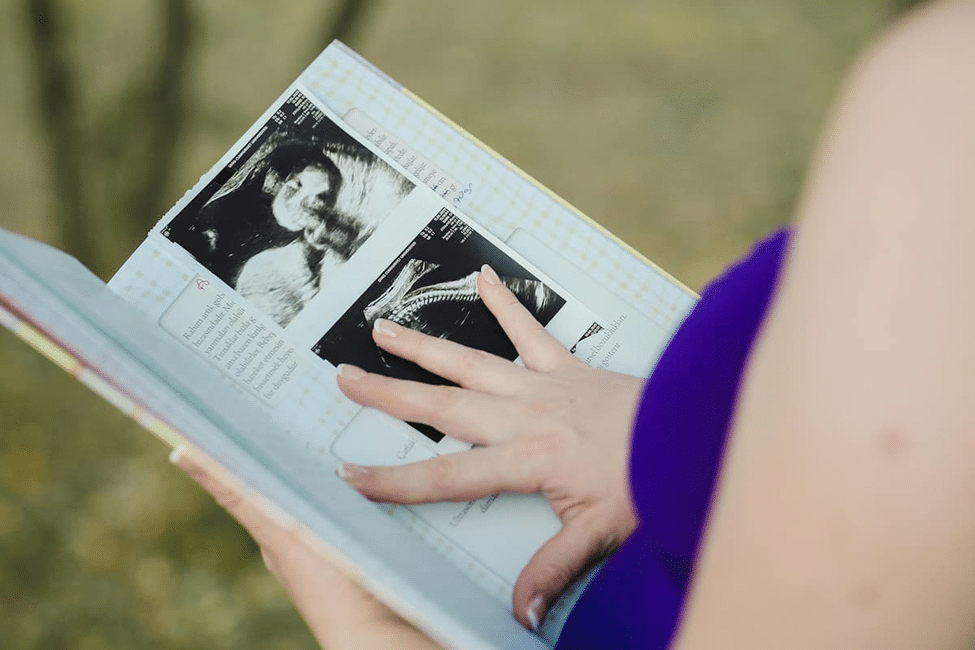
At 34 weeks pregnant, you’ve entered an exciting yet challenging phase of your third trimester. By this time, your baby is rapidly growing, gaining more fat, and preparing for life outside the womb. Meanwhile, your body is also changing fast and you may start to notice several 34 weeks pregnant symptoms, such as back pain, cramping, shortness of breath, and fatigue.
As your due date draws closer, it’s completely normal to experience mild discomforts. However, it’s equally important to recognize the signs of labor and understand which symptoms should not be ignored. For instance, strong contractions, fluid leakage, or severe abdominal pain could indicate early labor and require immediate medical attention.
Moreover, at this stage, many mothers wonder, “How many months is 34 weeks pregnant?” or “Is delivery at 34 weeks safe?” and these are valid questions. In this guide, we’ll walk you through everything you need to know, including fetal development, baby weight, and what’s normal versus what’s not at this point in pregnancy.
By the end, you’ll clearly understand your body’s signals and know how to manage this crucial week with confidence, care, and peace of mind.
Watch video given below: 34 Weeks Pregnant Symptoms, Labor Signs, Cramps & Fetal Development
Watch this helpful video by Bodyfit Vlogs on YouTube
What Happens in 34 Weeks of Pregnancy
At 34 weeks, your pregnancy is in its final stretch you’re almost there! This stage marks major growth for your baby and noticeable physical changes for you.
In simple terms:
34 weeks pregnant symptoms in months means you are about 8 months and 2 weeks along.
So, if you wonder about 34 weeks pregnant for months, it’s roughly the middle of your eighth month.
Key Highlights for 34 Weeks:
- Your baby now weighs around 2.1 kg (about 4.6 lbs) and measures about 17 inches long.
- The baby’s lungs and brain continue to mature rapidly.
- You may feel stronger kicks and body rolls as your baby runs out of space.
- You might notice more fatigue, back pain, and shortness of breath.
- Some women experience increased Braxton Hicks contractions (practice contractions).
- Continue a balanced diet and hydration to support final-stage growth.
34 Weeks Pregnant Symptoms – What to Expect
As you reach 34 weeks, your body continues to prepare for childbirth. At this stage, many women experience noticeable physical and emotional changes. Meanwhile, your baby is growing rapidly, which can make some symptoms stronger than before.
Common Physical and Emotional Changes
- Shortness of breath may increase as your baby presses against your diaphragm.
- Back pain and pelvic pressure often intensify due to your expanding belly.
- Frequent urination becomes common because of increased pressure on the bladder.
- Trouble sleeping may occur as it becomes difficult to find a comfortable position.
- Mood swings and emotional sensitivity can rise due to hormonal shifts.
- Swelling in feet and ankles might appear, especially after long hours of standing.
34 Weeks Pregnant Symptoms Not to Ignore
However, some symptoms need immediate medical attention. If you notice any of these, contact your healthcare provider right away:
- Severe abdominal pain or intense cramps
- Leaking amniotic fluid or a sudden gush of water
- Decreased baby movement compared to normal
- High fever, chills, or severe headache
- Heavy vaginal bleeding or spotting with pain
- Sudden swelling of the face, hands, or eyes possible signs of preeclampsia
In short, understanding these 34 weeks pregnant symptoms not to ignore helps ensure both your and your baby’s safety during this crucial phase.
34 Weeks Pregnant and Cramping
At 34 weeks pregnant, mild cramping can be common but it’s important to understand when it’s normal and when it needs attention. As your body prepares for birth, you may notice occasional tightening or discomfort in your lower abdomen.
Causes of Mild Cramps
To begin with, most 34 weeks pregnant symptoms period-like cramps are caused by natural body changes. These mild cramps are usually harmless and linked to:
- Uterine stretches as your body makes space for the growing baby.
- Dehydration, which can make your muscles tighten.
- Braxton Hicks contractions, also known as “practice contractions.”
- Increased blood flow to the pelvic area.
- Physical activity or sudden movement, which can briefly strain your abdominal muscles.
In addition, constipation or gas buildup may also create mild, period-like discomfort at this stage.
When to Call Your Doctor
However, not all cramps are normal. If you experience the following, contact your doctor immediately:
- Severe or persistent pain that doesn’t ease with rest or hydration.
- Watery discharge or fluid leakage, which could signal early labor.
- Bleeding or spotting, especially with cramps.
- Regular contractions happening every few minutes.
- Back pain with pelvic pressure, which may indicate preterm labor.
In summary, mild 34 weeks pregnancy period-like cramps are often a normal part of your body’s preparation, but staying alert helps you and your baby stay safe.
34 Weeks Pregnant Back Pain and Body Discomforts
As you move closer to your due date, back pain and body discomfort are very common. At this stage, your growing belly, shifting posture, and hormonal changes all play a role in how your body feels.
Why Back Pain Occurs at This Stage
To begin with, the main cause of 34 weeks pregnant back pain is the extra weight your body carries as the baby grows. In addition, your center of gravity shifts forward, putting more pressure on your lower back.
Here are some key reasons why this pain develops:
- Posture changes as your belly expands.
- Loosening of joints and ligaments due to the hormone relaxin.
- Poor sleeping positions, especially lying flat on your back.
- Prolonged standing or walking, which strains your spine and hips.
- Weak abdominal muscles, making it harder to support your lower back.
Relief Tips and Safe Exercises
Fortunately, there are simple ways to ease back pain at 34 weeks pregnant symptoms and reduce body discomfort:
- Practice gentle stretches like the cat-cow pose or pelvic tilts.
- Maintain good posture while sitting — keep your back straight and supported.
- Sleep on your side with a pillow between your knees for extra comfort.
- Take short walks or try light prenatal yoga to improve circulation.
- Apply warm compresses (not hot) to relax tight muscles.
- Wear supportive shoes and avoid standing for long hours.
As a result, your body feels lighter, your muscles stay relaxed, and your overall comfort improves.
34 Weeks Fetal Development
At 34 weeks, your baby is rapidly growing and developing vital organs. At this stage, most systems are functioning well, though a few still need fine-tuning before birth.
Brain and Lung Growth
To start with, your baby’s brain and lungs are now entering a crucial growth phase.
- The brain is expanding quickly, forming millions of new neural connections each day.
- The lungs continue to produce surfactants, a substance that helps your baby breathe easily after birth.
- Meanwhile, the baby practices breathing movements inside the womb, preparing for life outside.
In addition, the baby’s bones are hardening, and layers of fat are building under the skin, making your little one look plumper and ready for delivery.
34 Week Fetus Weight and Size
On average, the 34-week fetus weight is around 2.1 to 2.3 kilograms (4.6 to 5 pounds).
As for the 34-week baby size, your little one measures about 17 to 18 inches long, roughly the length of a butternut squash.
As a result, your baby now takes up most of the space in your uterus that’s why you may feel stronger kicks, rolls, and even hiccups more often!
Fetus Weight, Baby Position, and 34 Weeks Pregnant Symptoms
At 34 weeks pregnant, your baby is almost ready for the outside world and you may start noticing new symptoms. By this time, most babies have reached a healthy weight and are starting to settle into their birth position.
Average Weight and Height
To begin with, the average 34-week fetus weight is around 2.1 to 2.3 kilograms (4.6 to 5 pounds), and the baby measures roughly 17 to 18 inches long.
Meanwhile, every baby develops at a slightly different pace, so minor variations are completely normal.
In addition, your baby’s fat layers are thickening, helping regulate body temperature after birth.
Average Fetal Weight at 34 Weeks
| Measurement | Average Value | Range |
| Weight | 2.2 kg (4.8 lbs) | 2.0 – 2.4 kg |
| Length | 17.5 inches | 17 – 18 inches |
Note: Fetal growth can differ slightly based on genetics, nutrition, and maternal health.
Baby’s Head-Down Position
By this stage, most babies move into the head-down position also called the cephalic position — preparing for birth.
- This position allows your baby’s head to rest near the pelvis for an easier delivery.
- However, some babies may still be breech (feet or buttocks first). In many cases, they turn natural within the next few weeks.
- If not, your doctor may suggest gentle movements or medical options to help reposition the baby safely.
In summary, at 34 weeks, your baby weighs around 2.2 kg, measures nearly 18 inches, and is likely moving into the head-down position a positive sign that your body and baby are preparing for delivery.

34 Weeks Pregnant Symptoms Labor Signs
As you experience new 34 weeks pregnant symptoms, your body may also begin showing early signs of labor, even though it’s still slightly early for delivery. Understanding these signs helps you stay calm and know when to seek medical care.
Early Labor Warning Signs
To begin with, mild contractions, pressure, or cramps can appear as your body prepares for birth.
However, if these signs become regular or intense, it could indicate early labor.
Here are the common early labor warning signs:
- Regular contractions that come every few minutes and don’t go away with rest.
- Fluid leakage or your water breaking unexpectedly.
- Back pain that feels rhythmic and worsens with time.
- Spotting or bloody discharge, often called the “bloody show.”
- Pelvic pressure that feels like the baby is pushing downward.
If you notice any of these symptoms, it’s important to contact your healthcare provider immediately.
How to Recognize False vs Real Contractions
Meanwhile, many women experience Braxton Hicks contractions — also known as false labor — at 34 weeks. These contractions help prepare your uterus for real labor but are usually irregular and mild.
Here’s how to tell the difference:
| Feature | False Labor (Braxton Hicks) | Real Labor |
|---|---|---|
| Timing | Irregular and unpredictable | Regular and closer together |
| Pain level | Mild, more of a tightening feeling | Strong and painful |
| Location | Felt mostly in the abdomen | Starts in the back and moves to the front |
| Duration | Stops when you move or rest | Continues despite movement or rest |
In short, if contractions become stronger, regular, and painful, you might be entering real labor — even at 34 weeks pregnant symptoms. Your doctor will guide you on whether it’s early labor or false contractions.
Signs of Labor at 34 Weeks Pregnant
At 34 weeks pregnant symptoms, your body might start giving early signals that labor could be approaching. While many of these signs are harmless, some can point toward preterm labor, so paying attention is essential.
Common Signs to Watch For
To begin with, mild discomfort is normal, but persistent or intense symptoms may need medical attention.
Here are some key labor-related signs at 34 weeks pregnant symptoms:
- Spotting or light bleeding — could mean your cervix is softening or starting to dilate.
- Cramping in the lower abdomen — sometimes feels like strong period cramps or tightening.
- Lower back pain — especially if it comes and goes in waves, it might signal early contractions.
- Increased discharge or fluid leakage — may indicate your water is breaking.
- Pelvic pressure — a feeling that your baby is pushing downward.
When to Act
Moreover, if these symptoms become regular, painful, or stronger with time, contact your doctor right away.
Some women go into early labor at 34 weeks pregnant symptoms, and quick medical attention can help ensure both mom and baby stay safe.
For detailed guidance on outcomes and medical care, see our section:
Is Delivery Safe at 34 Weeks Pregnant?
34 Weeks Pregnant Symptoms of Labor
At 34 weeks pregnant symptoms, you’re only a few weeks away from full term. However, some women may begin showing symptoms of labor earlier than expected. Recognizing these signs early can help you get the right medical support on time.
When Preterm Labor May Begin
To start with, preterm labor refers to labor that begins before 37 weeks of pregnancy.
While many women at 34 weeks experience mild contractions or pressure, consistent pain or tightening could mean your body is preparing for early delivery.
Watch for these symptoms of preterm labor at 34 weeks pregnant symptoms:
- Regular contractions that come every few minutes and increase in strength
- Leakage of amniotic fluid (your water breaking)
- Light bleeding or spotting
- Persistent lower back pain or pressure
- Abdominal cramps that don’t ease with rest
- Feeling like the baby is pushing down
If these occur, it’s best to contact your doctor immediately early medical care can help delay or manage labor safely.
Medical Support Options
Fortunately, most babies born at 34 weeks pregnant symptoms do very well with medical support.
Hospitals are well equipped to handle preterm labor and care for babies born a few weeks early.
Your healthcare team may:
- Give steroids to speed up your baby’s lung development
- Use medications (tocolytics) to slow or stop contractions
- Recommend hospital observation for monitoring contractions and babies’ heartbeat
- Offer NICU (Neonatal Intensive Care Unit) support if your baby is delivered early
In summary, being aware of 34 weeks pregnant symptoms of labor help you take quick action. With timely care and hospital support, both mother and baby can stay safe and healthy.
Is Delivery in 34 Weeks Safe?
At 34 weeks pregnant symptoms, you’re nearly full term, but delivery at this stage is considered late preterm. Many parents worry about whether 34 weeks’ delivery is safe the good news is, in most cases, it is.
Risks and Survival Rate
To begin with, babies born at 34 weeks have a very high survival rate around 99% with proper medical care.
However, because the baby is still developing, they might need short-term hospital support.
Here’s what you should know about the risks and outcomes:
- Lungs may still be maturing, so some babies need help with breathing.
- Feeding difficulties can occur because sucking and swallowing skills are not fully developed.
- Body temperature control may require an incubator for warmth.
- Sleep and alertness may still be irregular during the first few weeks.
Despite these challenges, most babies born at 34 weeks grow normally and catch up quickly within a few months.
NICU Support and Outcomes for Babies Born at 34 Weeks
Fortunately, modern hospitals provide advanced care in NICUs (Neonatal Intensive Care Units) to help pre-term babies thrive.
Here’s what typically happens after delivery:
- The baby is monitored for breathing, feeding, and body temperature.
- If needed, oxygen or gentle ventilation helps support lung function.
- IV nutrition or expressed breast milk is given until the baby can feed normally.
- Most babies stay in the NICU for 1–2 weeks, until they reach full stability.
In most cases, by 36 to 37 weeks of adjusted age, babies born at 34 weeks are healthy, active, and ready to go home.
In summary, while delivery at 34 weeks pregnant symptoms is slightly early, modern neonatal care ensures excellent outcomes. With proper NICU support, your baby has a near-full-term chance of thriving.
34 Weeks and 3 Days Pregnant – Does It Make a Difference?
At 34 weeks and 3 days pregnant, you’re getting even closer to meeting your baby. While a few days might not sound like much, each day counts at this stage of pregnancy — both for your baby’s growth and your body’s preparation for labor.
Day-to-Day Changes
To begin with, your baby continues to grow rapidly, and even small daily changes make a difference.
Here’s what happens around 34 weeks and 3 days pregnant:
- The baby’s lungs and brain are still developing and maturing quickly.
- Muscle tone improves as your baby practices stretching and grasping.
- Blood circulation strengthens, and the skin becomes smoother and less wrinkled.
- You may feel stronger kicks and pelvic pressure, as the baby moves lower into position.
- Fatigue or insomnia may increase slightly as your belly grows heavier.
In short, even these small daily milestones mean your baby is getting stronger and more ready for life outside the womb.
What Happens Between 34 Weeks and 3 Days Pregnant and 35 Weeks
As you move toward 35 weeks, a few subtle but important transitions occur:
- Your baby’s lungs are near full maturity, improving breathing ability after birth.
- Heartbeat and reflexes become more stable and coordinated.
- Your body begins producing more colostrum — the nutrient-rich early milk.
- Braxton Hicks contractions may feel stronger and more frequent.
- You might notice a slight increase in weight or swelling in your feet and hands.
By 35 weeks, your pregnancy is considered almost full term, and your baby’s chances of being born healthy and strong increase even further.
In conclusion, being 34 weeks and 3 days pregnant may not seem very different from 34 weeks, but each passing day supports vital development — especially for your baby’s lungs, brain, and body strength.
Emotional & Hormonal Changes at 34 Weeks
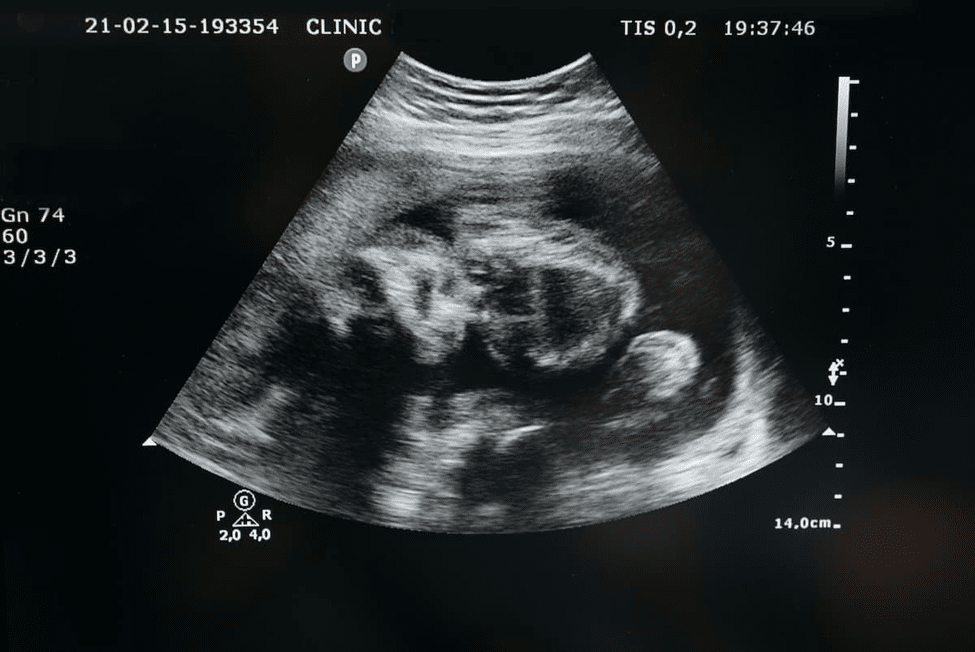
At 34 weeks pregnant, your hormones are working at full speed to prepare both your body and mind for labor and motherhood. These hormonal shifts can bring strong emotions, mood swings, bursts of energy, and moments of exhaustion all perfectly normal at this stage.
Mood Swings and Emotional Ups and Downs
It’s common to experience frequent mood swings during week 34 of pregnancy.
- One moment, you may feel emotional or teary, and the next, completely fine again.
- Hormones like estrogen and progesterone fluctuate, affecting your mood, sleep, and stress response.
- Worries about labor or becoming a parent can also contribute to emotional ups and downs.
Tip: Try deep breathing, gentle walks, and open communication with your partner or loved ones. Sharing your feelings helps ease emotional stress. Curious about how your baby has grown? Check out our article Baby at 8 Weeks: Size, Heartbeat & Development to see how far you’ve come.
The Nesting Instinct
Many women notice a sudden urge to clean, organize, and prepare for the baby — this is called the nesting instinct.
- You may feel driven to set up the nursery, wash baby clothes, or arrange hospital bags.
- It’s your instinct to create a safe and welcoming space before your little one arrives.
While it’s harmless, be sure not to overexert yourself take frequent breaks and stay hydrated.
Tiredness and Fatigue
Feeling physically and mentally tired is a very common 34 weeks pregnant symptom.
- Your growing belly and extra baby weight can strain your back and legs.
- Hormonal changes may disturb your sleep, leading to more fatigue.
- Short naps, balanced meals, and mild prenatal yoga can help restore your energy.
In summary, emotional and hormonal changes at 34 weeks from mood swings to nesting and tiredness are your body’s natural way of preparing for motherhood. Listen to your body, rest when needed, and embrace this powerful phase with patience and self-care. Want to learn more about how far along you are. Visit our detailed post Third Trimester Weeks & Many Months: Is 28 Weeks? for more insights.
Nutrition and Diet Tips for 34 Weeks Pregnant Women
To manage your 34 weeks pregnant symptoms, eating a balanced diet becomes even more important for you and your baby’s final growth phase. Proper nutrition helps maintain your strength, supports your baby’s brain and bone development, and prepares your body for labor.
1. Focus on Iron-Rich Foods
As your blood volume peaks, you need extra iron to prevent anemia and fatigue.
- Eat lean meat, chicken, fish, and eggs.
- Include plant-based sauces like spinach, lentils, and beans.
- Combine with vitamin C-rich foods (like oranges or tomatoes) to help your body absorb more iron.
2. Get Enough Calcium for Strong Bones
Your baby’s bones are rapidly hardening at this stage. To support this, you need calcium every day.
- Add milk, yogurt, cheese, and leafy greens to your meals.
- Include calcium-fortified foods or small fish like sardines.
- Aim for about 1,000 mg of calcium daily (consult your doctor if you take supplements).
3. Stay Well Hydrated
Hydration helps reduce swelling, constipation, and Braxton Hicks contractions.
- Drink at least 8–10 glasses of water daily.
- Coconut water or fresh fruit juices (without added sugar) can also help maintain electrolyte balance.
- Avoid too much caffeine or fizzy drinks.
4. Eat Small, Frequent Meals
As your baby grows, your stomach space becomes limited, making large meals uncomfortable.
- Try 5–6 small meals a day instead of 3 large ones.
- Include fiber-rich snacks like fruits, nuts, and whole grains to avoid heartburn and indigestion.
- Eat dinner early and stay upright for 30 minutes afterward to ease digestion.
Quick Reminder:
Balanced nutrition at 34 weeks of pregnancy supports your baby’s final growth and keeps you energized for delivery. Make sure to follow your doctor’s advice on supplements like iron, calcium, and folic acid for the safest results. For a comprehensive week-by-week overview, see this detailed guide at WhatToExpect: Week 34 of Pregnancy.
How to Sleep Comfortably at 34 Weeks Pregnant
As you reach 34 weeks pregnant symptoms, getting a good night’s sleep can feel more difficult. With a growing belly, frequent bathroom trips, and back discomfort, finding the best sleeping position becomes essential for your rest and your baby’s well-being.
1. Best Sleeping Positions for Lower Back and Belly Support
To begin with, the most recommended position is sleeping on your left side. This posture improves blood flow to your uterus and baby and helps your kidneys flush out waste efficiently.
- Left side sleeping reduces pressure on your back and improves oxygen flow.
- Place a pillow between your knees to align your hips and reduce lower back pain.
- Use a wedge or pregnancy pillow under your belly for extra support and comfort.
- Slightly bend your legs toward your chest — it helps relieve pressure on your spine and hips.
In contrast, avoid sleeping flat on your back for long periods, as it can compress major blood vessels and cause dizziness or reduced circulation. For more detailed week-by-week information including baby size and body changes, check their guide on 34 weeks: 34 Weeks Pregnant | American Pregnancy Association.
2. Additional Tips for Better Sleep
- Keep your room cool, quiet, and dark to encourage deeper sleep.
- Maintain a regular bedtime routine — read, stretch, or listen to soft music before sleeping.
- Avoid caffeine or heavy meals close to bedtime.
- Practice gentle stretching or prenatal yoga to relax tense muscles before lying down.
Final Tip:
As your body prepares for labor, your sleep patterns may change — and that’s completely normal. Focus on resting whenever you can, even though there are short naps during the day. Consistent rest will help you stay energized and calm as your due date approaches.
When to Call Your Doctor – Symptoms Not to Ignore
At 34 weeks pregnant, your body is nearing the final stage of pregnancy, but it’s still important to watch for warning signs. Some symptoms may seem common, yet they can signal serious complications if left unchecked. Knowing when to call your doctor can protect both you and your baby. For practical tips on preparing for labor and delivery at this stage, check out What To Do When You’re 34 Weeks Pregnant.
1. Severe Pain or Cramping
To begin with, occasional mild cramps are normal as your uterus expands. However, intense or constant pain especially in your lower abdomen or back could indicate preterm labor or another issue that needs urgent attention.
2. Fluid Leakage or Bleeding
If you notice any watery discharge, it may be a sign your amniotic sac has ruptured. Similarly, spotting or bright red bleeding could suggest problems with the placenta. In either case, contact your doctor immediately — don’t wait to see if it stops on its own.
3. Decreased Fetal Movement
Normally, you should feel your baby move several times throughout the day. If you notice reduced or no movement, it’s one of the 34 weeks pregnant symptoms not to ignore. Try drinking something cold or lying on your left side; if movement doesn’t return within two hours, call your healthcare provider right away.
4. Sudden Swelling, Headache, or Blurred Vision
Additionally, sudden or severe swelling in your face, hands, or feet — along with a bad headache or vision changes — could be signs of preeclampsia, a dangerous pregnancy condition related to high blood pressure.
5. Shortness of Breath or Chest Pain
While mild breathlessness is common, severe shortness of breath, dizziness, or chest pain should never be ignored. These could lead to blood clots or other complications needing immediate care.
Quick Reminder:
Staying alert to these 34 weeks pregnant symptoms not to ignore can make a major difference in keeping your pregnancy safe. It’s always better to call your doctor and find out it’s nothing — than to wait and risk your or your baby’s health.
❓ FAQs About Being 34 Weeks Pregnant
1. How many months is 34 weeks pregnant?
At 34 weeks pregnant, you are about 8 months and 2 weeks along. The symptoms you feel now are a normal part of the third trimester. You’re nearing the end of your eighth month, with only a few weeks left until full term (40 weeks).
2. What should I expect at 34 weeks of pregnancy?
By now, you can expect stronger baby movements, back pain, fatigue, and mild Braxton Hicks contractions. Your baby’s lungs and brain are still developing, and your belly is likely to feel heavier day by day.
3. Can labor start at 34 weeks?
Yes, but it’s considered preterm labor. If you experience regular contractions, water leakage, or lower back pain, contact your doctor immediately. However, many women with early labor signs at this stage still carry safely to full term with medical care.
4. Is cramping normal at 34 weeks pregnant?
Mild cramping can be normal due to your growing uterus and baby’s position. However, severe or period-like cramps may signal preterm labor, so they are among the pregnancy symptoms not to ignore. Always get checked if you’re unsure.
5. What is the normal fetal weight for 34 weeks?
The average fetal weight at 34 weeks is around 2.1 to 2.3 kilograms (4.6 to 5 pounds), and your baby measures roughly 17 to 18 inches long — about the size of a butternut squash. Growth rates may vary slightly from baby to baby.
Final Thoughts
As you manage your 34 weeks pregnant symptoms, your journey is entering its most exciting phase. Both you and your baby have come a long way and now every week counts.
To summarize, this stage brings common yet important changes such as back pain, mild cramping, fatigue, and Braxton Hicks contractions. You may also notice stronger kicks, emotional ups and downs, and a growing sense of anticipation. However, remember that some signs like severe pain, fluid leakage, or decreased fetal movement are among the 34 weeks pregnant symptoms not to ignore. Quick medical attention can ensure your safety and your baby’s health.
Moreover, keep up with your prenatal checkups, maintain a balanced diet, stay hydrated, and try to rest whenever possible. Every small step helps prepare your body and mind for labor and delivery. For a week-by-week breakdown of your baby’s size and development, check out How Big is Your Baby at 34 Weeks?.
In the end, trust your instincts, follow your doctor’s guidance, and take care of yourself you’re just weeks away from meeting your baby!

Hafiz Nauman Baig is a Researcher and PhD Scholar in Zoology, with a specialized focus on Biomechanics and Anatomical Data Analysis. Merging his academic expertise in biological structures with a deep background in Physical Ergonomics and strength mechanics, Nauman evaluates baby gear through a rigorous scientific lens.
Unlike standard product reviewers, he utilizes R Studio and statistical modeling to assess safety data, focusing on the physiological impact of carriers on the infant airway and the caregiver’s spine. His mission is to bridge the gap between complex biological safety standards and practical, pain-free babywearing.