
You’ve officially reached 29 weeks pregnant, marking the start of the seventh month and the exciting journey through the third trimester. At this stage, your baby is gaining roughly 0.5 lbs (225 grams) per week from this point forward, and your body is working extra hard to support this final phase of development.
Physical and emotional changes are becoming more noticeable than ever. You might experience a combination of tiredness, stronger baby movements, bursts of energy, and shifting moods. It’s normal to feel both excited and a little overwhelmed during this period. In fact, many moms describe this stage as a blend of anticipation, joy, and a touch of nervousness, as the reality of meeting their baby draws closer each day.
Watch video given below: 29 Weeks Pregnant: Symptoms, Belly Changes, Baby Development & Helpful Tips
Watch this helpful video by Bodyfit Vlogs on YouTube
Medical Review Note: This comprehensive guide to being 29 weeks pregnant is based on clinical guidelines from the American College of Obstetricians and Gynecologists (ACOG).
29 Weeks Pregnant in Months — What Trimester Are You In?
If you’re 29 weeks pregnant, you are officially 7 months along and well into your third trimester. This is the stage when everything starts to feel more real your baby is growing rapidly, and your body is preparing for the final stretch before birth.
What Happens During the Third Trimester
During the third trimester, several important changes take place in both your body and your baby’s development. You may start noticing more physical and emotional shifts, including:
- Rapid baby growth, as weight and size increase significantly.
- More fatigue due to your body working harder to support your baby.
- Stronger and more frequent baby movements, which may affect your sleep.
- Nesting instincts, like preparing the nursery or organizing baby essentials.
- Mental preparation for birth, such as attending prenatal classes or discussing delivery plans.
Reaching 29 weeks pregnant means you’re entering a period of exciting milestones and important preparations as the countdown to delivery begins.
Common Symptoms at 29 Weeks Pregnant
As you move further into your third trimester, your body is working overtime to support your growing baby. If you’re 29 weeks pregnant, it’s completely normal to notice a few new sensations or the return of some familiar ones. Here’s what many moms-to-be experience around this time:
- Fatigue — That first-trimester tiredness often makes a comeback. As your belly grows and sleep becomes less comfortable, it’s natural to feel more exhausted during the day.
- Back Pain & Pelvic Pressure — Over 70% of pregnant women experience lower back pain at this stage. This is caused by your changing center of gravity and the hormone relaxin, which is actively loosening your pelvic joints for birth.
- Shortness of Breath — Your expanding uterus shifts your internal organs, pushing your diaphragm up by as much as 4 centimeters. This reduces your lung capacity and makes you feel winded after light activity.
- Heartburn or Indigestion — Hormonal changes relax your digestive muscles, while the growing uterus puts pressure on your stomach. Together, they can cause that familiar burning sensation after meals.
- Braxton Hicks Contractions — Also called “practice contractions,” these are usually painless and irregular. They’re your body’s way of getting ready for the real thing, so don’t worry if you notice them more often now.
- Swelling in Feet & Hands — Mild swelling, especially at the end of the day, is common due to increased fluid retention. However, keep an eye out for sudden or severe swelling and contact your healthcare provider if it happens.
✨ Tip: Listening to your body and taking regular breaks throughout the day can make a big difference. Staying hydrated, stretching gently, and wearing comfy shoes can help ease many of these 29 weeks pregnant symptoms.
Belly Changes at 29 Weeks Pregnant
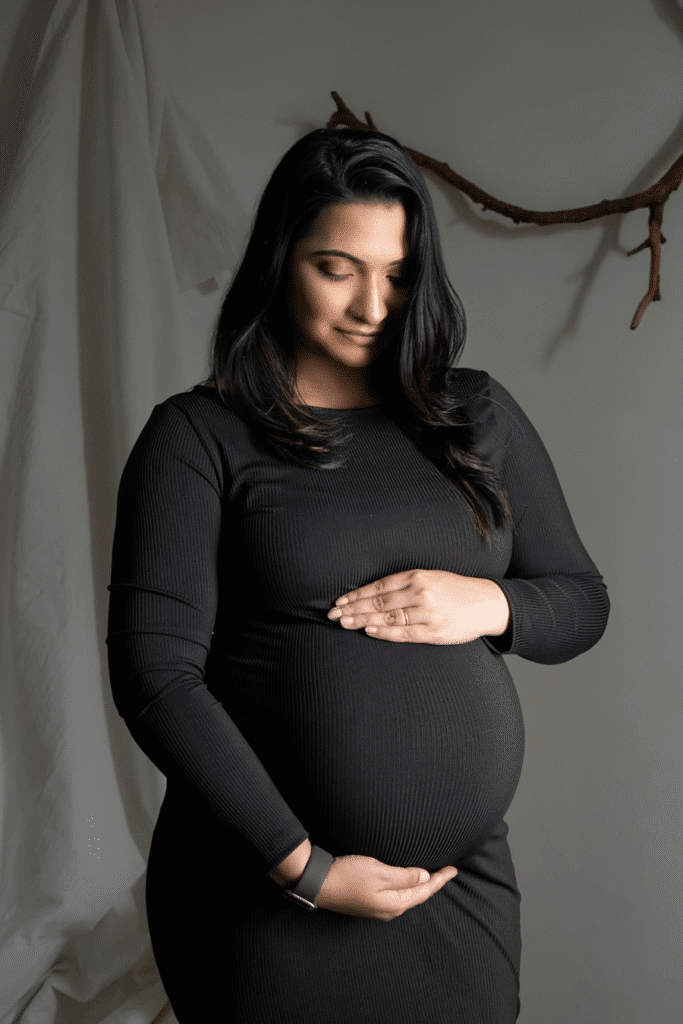
If you’re 29 weeks pregnant, your belly is now front and center quite literally! This is the stage when most moms-to-be notice their bump becoming more rounded, firm, and prominent, reflecting your baby’s rapid growth inside. Along with the excitement, you might notice a few new changes happening around your midsection.
Noticeable Growth & Tightness
As your uterus expands upward, your belly may feel tighter than in previous weeks. Many women also experience occasional pulling sensations on the sides of the abdomen — this is usually due to your ligaments stretching to make room for the baby.
During prenatal visits, your healthcare provider will measure your fundal height, which is the distance from your pubic bone to the top of your uterus. This helps track your baby’s growth and ensures everything is progressing well. Your fundal height in centimeters should roughly match your weeks of pregnancy (plus or minus 2 cm). Therefore, at 29 weeks, your measurement should be exactly between 27 cm and 31 cm.
Skin & Belly Button Changes
It’s also common to spot some physical skin changes at this stage:
- Stretch Marks — These pink, red, or purple streaks often appear as your skin stretches quickly. Regular moisturizing can help soothe itchiness, though marks usually fade after delivery.
- Linea Nigra — A dark vertical line running down the center of your belly may become more visible. It’s completely harmless and usually fades after birth.
- Belly Button “Pop” — Many moms notice their belly button flattening or popping out, which is a natural effect of your growing uterus pushing outward.
Baby’s Movements Getting Stronger
Another exciting belly change at 29 weeks pregnant is the increased strength and frequency of fetal movements. You might feel kicks, rolls, or even rhythmic hiccups more clearly now. These movements are a reassuring sign that your baby is growing and active.
🖼️ Tip: This is a great spot to insert a week-by-week belly growth diagram or pregnancy belly image to give readers a visual reference of what to expect at this stage. Adding visuals also improves user engagement and on-page SEO.
Baby Development at 29 Weeks Pregnant
By the time you’re 29 weeks pregnant, your baby is growing rapidly and becoming more active than ever. This is a crucial stage of development, as many vital organs and systems are maturing in preparation for birth.
Baby Size & Weight
At this stage, your little one measures around 38–40 cm in length and weighs approximately 1.1–1.3 kg — about the size of a butternut squash! You’ll likely notice more defined movements, rolls, and kicks as your baby grows stronger day by day.
Organ & Sensory Development
Your baby’s body is going through important milestones this week:
| Development Area | What’s Happening at 29 Weeks |
|---|---|
| Lungs | Still maturing; baby is practicing breathing motions even though air isn’t involved yet. |
| Brain | Rapid development is taking place, with grooves and folds becoming more defined. |
| Movements | Kicks, stretches, and turns are stronger and more frequent — you may even see your belly move! |
| Eyes | Baby’s eyes can partially open and respond to light, helping develop visual awareness. |
A Peek Inside the Womb
It’s amazing to think that while you’re going about your day, your 29-week baby is busy preparing for life outside the womb. Every hiccup, wiggle, and stretch is a sign of healthy development. You might also start recognizing patterns in your baby’s movement some are more active during the night!
👉 Pro Tip: You can insert a fetal growth chart here to show how the baby’s size and weight change week by week. This keeps your readers engaged and boosts SEO with relevant visuals.

Where Is Your Pregnancy Weight Going?
Many mothers at 29 weeks feel anxious about the number on the scale. It is crucial to understand that only a small fraction of the weight is actually maternal fat. The rest is highly functional tissue and fluids designed to keep your baby alive.
At this stage, if you have gained a typical 20 lbs, here is exactly how that weight is distributed inside your body based on clinical averages:
- Baby: ~2.8 lbs (14%)
- Placenta: ~1.2 lbs (6%)
- Amniotic Fluid: ~1.8 lbs (9%)
- Uterus Growth: ~2.0 lbs (10%)
- Breast Tissue: ~1.5 lbs (7.5%)
- Increased Blood Volume: ~3.0 lbs (15%)
- Increased Maternal Fluids: ~2.5 lbs (12.5%)
- Maternal Fat Stores (for breastfeeding): The remaining balance (approx. 5.2 lbs or 26%)
By understanding this breakdown, you can see that your body is doing exactly what it needs to do to support a healthy third trimester.
Health Tips for Moms at 29 Weeks Pregnant
Taking care of yourself during this stage is just as important as preparing for your baby’s arrival. As you move deeper into the third trimester, your body needs extra support to handle the physical and emotional changes that come with being 29 weeks pregnant. At this point, focusing on healthy habits can make a big difference for both you and your baby.
1. Prioritize Rest
Your body is working harder than ever, so first, make rest a top priority.
- Take short naps during the day whenever possible.
- Sleep on your side (ideally the left) to prevent your heavy uterus from compressing the inferior vena cava (the main vein). This improves blood circulation and supports healthy blood flow to your baby.
2. Stay Hydrated
Drinking 80 to 100 ounces (about 10-12 glasses) of water daily plays a key role in keeping you comfortable and healthy at 29 weeks pregnancy.
- It helps reduce swelling, supports amniotic fluid levels, and prevents dehydration.
- Aim for 8–10 glasses daily and keep a water bottle with you to make it easier.
3. Adjust Your Caloric Intake
In the third trimester, you need exactly 450 extra calories per day. Nourishing your body with the right foods supports both your well-being and your baby’s growth.
- Focus on iron-rich foods to prevent anemia, calcium for bone strength, protein for development, and fiber for easier digestion.
- Small, frequent meals can also help with heartburn and discomfort, which are common at this stage.
4. Keep Moving with Gentle Exercise
Light physical activity can do wonders for your body and mood.
- Activities like walking or prenatal yoga can ease back pain, improve circulation, and keep your energy levels up.
- Always check with your healthcare provider before starting any new exercise routine.
5. Monitor Fetal Movements
Equally important, daily kick counts help you stay connected to your baby and monitor their well-being.
The standard clinical math for a kick count is 10 movements in under 2 hours. If you lie on your left side and do not feel 10 distinct kicks, rolls, or flutters within a 2-hour window, contact your healthcare provider.
6. Don’t Skip Prenatal Checkups
Finally, attending all your prenatal appointments is essential when you’re 29 weeks pregnant.
- These visits allow your healthcare provider to track your baby’s growth, check your vital signs, and address any concerns early.
- Since appointments usually become more frequent in the third trimester, staying consistent is key.
Preparing for the Final Trimester at 29 Weeks Pregnant
As you step into the final stretch of pregnancy, it’s time to get organized and feel more confident about the weeks ahead. Being 29 weeks pregnant means your baby’s arrival is getting closer, so now is the perfect time to start making practical plans and preparations.
1. Create Your Birth Plan
To begin with, start thinking about your preferences for labor and delivery. A birth plan can help you communicate clearly with your medical team.
- Decide whether you prefer a natural birth, epidural, or C-section.
- Discuss your options for pain relief and birthing positions.
- Choose the hospital or birth center that suits your needs and check their policies on visitors, skin-to-skin contact, and newborn care.
2. Start Packing Your Hospital Bag
Getting your hospital bag ready early can save you from last-minute stress. By 29 weeks pregnant, it’s wise to make a checklist and slowly gather the essentials.
- For Mom: Comfortable clothes, nursing bras, toiletries, snacks, and important documents.
- For Baby: Onesies, diapers, receiving blankets, a hat, socks, and a going-home outfit.
- For Partner: A change of clothes, phone charger, and light snacks.
3. Shop for Baby Essentials
This is a great time to shop for must-have baby items. Preparing in advance ensures you have everything ready when your little one arrives.
- Clothes in different sizes (newborn and 0–3 months)
- Diapers and wipes
- Crib or bassinet for safe sleep
- Car seat for the first ride home
- Swaddles, bibs, and burp clothes
4. Join Prenatal Classes
Consider enrolling in prenatal classes to build your confidence for childbirth and newborn care.
- Classes often cover labor stages, pain management, breathing techniques, and breastfeeding basics.
- They also give you a chance to ask questions and connect with other parents-to-be.
- Many hospitals offer online options, which can be especially convenient during busy weeks.
When to Call Your Doctor at 29 Weeks Pregnant
Even though most changes during pregnancy are normal, it’s important to stay alert to warning signs especially now that you’re 29 weeks pregnant and entering the later stages of your journey. Timely medical attention can protect both your health and your baby’s well-being.
Red-Flag Symptoms to Watch Out For
If you experience any of the following symptoms, don’t wait contact your healthcare provider right away:
- Sudden or severe swelling in your face, hands, or feet. This can be a sign of preeclampsia, a serious pregnancy complication.
- Blurred vision or persistent headaches, which may also signal elevated blood pressure.
- Vaginal bleeding or fluid leakage, which could indicate preterm labor or water breaking earlier than expected.
- Decreased fetal movement, especially if your baby’s kicks have noticeably slowed down or stopped.
- Regular, painful contractions before 37 weeks, which may be a sign of preterm labor and require immediate evaluation.
👉 Tip: It’s always better to call your doctor and find out it’s nothing serious than to ignore symptoms that could affect you or your baby. Want to nurture joy and confidence in your children? Check out these effective parenting tips to raise happy kids.
❓ FAQs — 29 Weeks Pregnant
Final Thoughts
As you navigate 29 weeks pregnant, it’s completely normal to experience a mix of emotions from excitement to a little nervousness. Your body is working incredibly hard to nurture and prepare for your baby’s arrival, so remember to give yourself grace and take things one day at a time.
Each kick, stretch, and milestone is a special part of this beautiful journey. Focusing on rest, self-care, and regular communication with your healthcare team will keep you informed and supported along the way. For a deeper look into fetal development and health tips at this stage, check out this resource: 29 Weeks Pregnant – Enfamil. Finally, don’t forget to connect with other moms and share your thoughts.
👉 Share your 29-week pregnancy experience in the comments below or explore our week-by-week pregnancy guides to stay motivated and confident throughout your third trimester. “Curious exactly how many months 29 weeks is and what’s happening with fetal development? Check it out here.”

Hafiz Nauman Baig is a Researcher and PhD Scholar in Zoology, with a specialized focus on Biomechanics and Anatomical Data Analysis. Merging his academic expertise in biological structures with a deep background in Physical Ergonomics and strength mechanics, Nauman evaluates baby gear through a rigorous scientific lens.
Unlike standard product reviewers, he utilizes R Studio and statistical modeling to assess safety data, focusing on the physiological impact of carriers on the infant airway and the caregiver’s spine. His mission is to bridge the gap between complex biological safety standards and practical, pain-free babywearing.