
⚠️ Medical Disclaimer:
The content provided on this website is for informational and educational purposes only and is not a substitute for professional medical advice, diagnosis, or treatment. Always seek the advice of your physician or other qualified health provider with any questions you may have regarding a medical condition. If you think you have a medical emergency, call your healthcare provider immediately.
🔬 Evidence-Based Clinical Summary
Researched & Compiled By: Hafiz Nauman Baig, PhD Scholar (Scientific & Medical Researcher)
This guide is a comprehensive literature review synthesized strictly from the latest obstetric guidelines published by authoritative institutions including the ACOG, NHS, and Mayo Clinic. It is provided for educational purposes and should not replace professional medical triage.
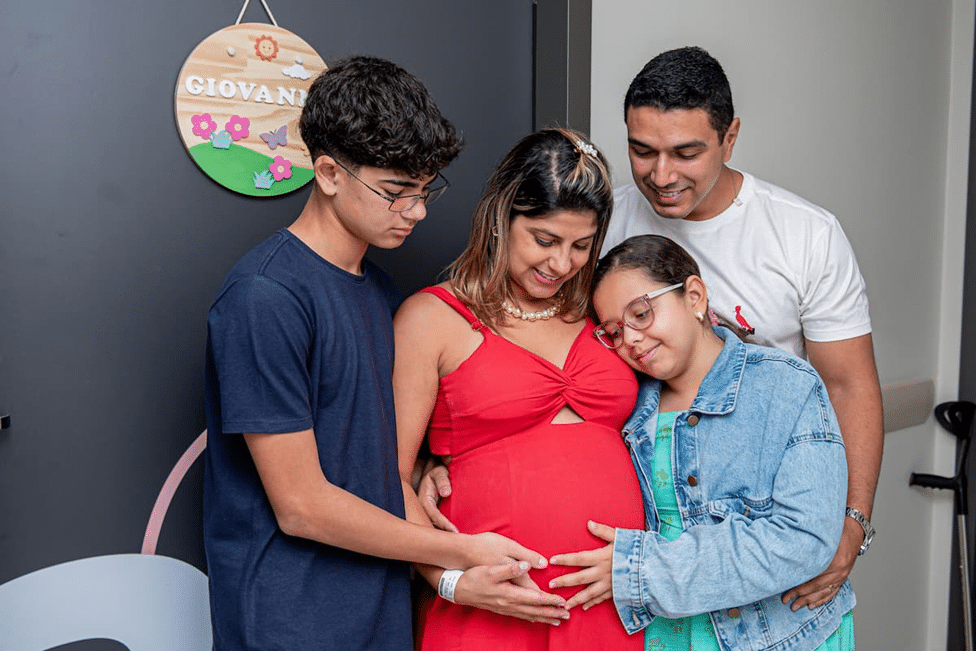
If you’re wondering about your 21 weeks pregnant tummy, you’re not alone—many moms-to-be want to know exactly how their bump should look and feel at this stage. At 21 weeks pregnant, you’re officially in your 5th month of pregnancy. While doctors measure pregnancy in weeks, parents often find it easier to understand the months. So, to clarify, 21 weeks pregnant is about 5 months long. As you move into this exciting stage, your baby is growing rapidly, and your belly is becoming more pronounced.
In addition, your little one’s movements are becoming stronger, and you may even notice patterns in their kicks. At the same time, your 21 weeks pregnant tummy reflects these changes, often leading to new symptoms like back pain, round ligament discomfort, and even heartburn.
Moreover, around this time, many expectant parents have their 21-week ultrasound (anatomy scan), which provides detailed insights into the baby’s growth, size, and development. Therefore, this week marks a perfect balance between visible physical changes and exciting medical milestones.
In this guide, we’ll walk you through how many months 21 weeks pregnant is, what to expect with your tummy and belly changes, key fetal development facts, ultrasound insights, and common pregnancy symptoms, so you can feel informed and reassured every step of the way.
Watch video given below: 21 Weeks Pregnant – Symptoms, Baby Development, Dos and Don’ts
Watch this helpful video by FirstCry Parenting on YouTube
21 Weeks Pregnant in months Tummy and Belly Changes
By 21 weeks pregnant, your tummy has grown enough to make your pregnancy visible to most people. At this stage, your belly is not only expanding but also showing key changes as your baby continues to grow.
What to Expect in Your 21 Weeks Pregnant in months Belly:
- Your 21 weeks pregnant tummy is rounder and higher as the uterus reaches above your belly button.
- The 21-week pregnancy belly measures about 8–9 inches from pubic bone to top of the uterus (fundal height).
- Baby bump feels firmer as your baby is now about the size of a carrot (around 10.5 inches long).
- You may notice Linea nigra, a dark line forming on your stomach.
- Some moms experience round ligament pain or stretching sensations.
- Sleeping positions may become less comfortable as your bump grows.
- Maternity clothes become a necessity as regular pants feel tighter.
This stage is exciting because your 21 weeks pregnant bump reflects the halfway milestone—reminding you that your baby is growing stronger every week.
The Clinical Math:
You might wonder why a 40-week pregnancy extends beyond nine months. Clinically, a standard month is typically 4.33 weeks long, not a perfect four weeks. Therefore, at 21 weeks, you are generally considered to be solidly in your fifth month of pregnancy. It is also important to note the difference between gestational age and fetal age: while you are 21 weeks pregnant, your baby is biologically 19 weeks old since conception.
Baby Development at 21 Weeks (Fetus Size & Growth)
When you are 21 weeks pregnant, your baby grows rapidly and hits exciting milestones.
Feeling the Movement (Quickening):
Around 21 weeks, fetal movements become more distinct, often described as flutters, bubbles, or a “whoosh”. However, do not panic if the kicks feel light. If you have an anterior placenta (located on the front wall of your uterus), it acts as a cushion, which can cause a delay in feeling these movements strongly. Conversely, those with a posterior placenta may feel stronger kicks earlier.
How Big Is a 21 Week Fetus?
At this stage, the 21 weeks pregnant in months fetus size is about as big as a banana. On average, your little one measures around 10.5 inches long and weighs roughly 12–13 ounces.
Key Developmental Milestones
- Growth and organs: Moreover, important organs are developing quickly. The digestive system is starting to practice swallowing amniotic fluid, and taste buds are forming.
- Movements and kicks: In addition, you’ll likely feel stronger kicks and twists now because muscle tone and coordination are improving.
- Awakening senses: Your 21 weeks pregnant baby size also means that hearing is sharpening, and your baby may respond to sounds like your voice or music.
- Skin Protection (Vernix and Lanugo): Your baby’s skin is actively producing a waxy, cheese-like protective coating called vernix caseosa, which is held in place by fine downy hair known as lanugo. This is vital to protect their delicate skin from getting wrinkled or damaged by the amniotic fluid.
👉 Overall, fetus development at 21 weeks marks a turning point: your baby is not only getting bigger but also becoming more active and responsive.
| Weeks Pregnant | Months Pregnant |
|---|---|
| 4 weeks | 1 month |
| 8 weeks | 2 months |
| 13 weeks | 3 months |
| 17 weeks | 4 months |
| 21 weeks | 5 months |
| 26 weeks | 6 months |
| 30 weeks | 7 months |
| 35 weeks | 8 months |
| 40 weeks | 9 months |
Belly, Bump & Tummy Changes at 21 Weeks
When you are 21 weeks pregnant, your belly becomes more noticeable, and many parents-to-be start getting comments about their growing bump.
What Does a 21 Week Pregnant in months Belly Look Like?
At this stage, your bump is rounder and more defined:
- The 21 weeks pregnant belly usually measures about ½ inch above the belly button.
- The uterus is steadily expanding to make room for your growing baby.
- Clothes may start feeling tighter, leading many moms to switch to maternity wear.
Normal Variations in the Baby Bump
The baby bump at 21 weeks pregnant in months looks different for everyone:
- Some moms carry smaller bumps that appear lower.
- Others notice a larger or more forward-projecting belly.
- 21 weeks pregnant bump size depends on body type, muscle tone, and whether it’s the first pregnancy.
- Both smaller and larger tummies at this stage are usually normal.
Common 21 Weeks pregnant in months Tummy Symptoms
As your tummy stretches, you may notice:
- Tightening or pulling sensations in the abdomen.
- 21 weeks tummy discomfort caused by round ligament pain.
- Occasional mild Braxton Hicks contractions (practice contractions).
- Itchiness or dryness on the stretching skin.
- A feeling of heaviness as your bump grows.
Remember: The 21 weeks pregnant bump is unique for every mother, and variations are completely natural.
Symptoms of 21 Weeks Pregnant in Months
As you reach 21 weeks pregnant, your body continues to adapt to your baby’s growth. Some symptoms are common and manageable, while others may require medical attention. Here’s what to expect at 21 weeks pregnant:
Common Physical Symptoms at 21 Weeks Pregnancy
Many moms-to-be notice changes in their body, such as:
- Back pain is due to the growing belly shifting posture.
- Swollen feet and ankles from extra fluid retention.
- Heartburn and indigestion, especially after meals.
- Stretch marks on the belly, breasts, or thighs.
- Leg cramps, particularly at night.
- Bleeding Gums (Pregnancy Gingivitis): Increased blood volume and hormones can make your gums swollen, sensitive, and prone to bleeding while brushing.
Emotional Symptoms & Mental Health Changes
Your emotional well-being is just as important:
- Mood swings caused by hormonal fluctuations.
- Mild anxiety or stress about upcoming changes.
- A boost of energy leading to nesting instincts.
- Feelings of excitement mixed with occasional worries.
21 Weeks Pregnant with Twins
Being 21 weeks pregnant with twins can feel quite different compared to a single-ton pregnancy. Your body is working harder to support two growing babies, and that brings both unique symptoms and important considerations. For reliable advice on nutrition, baby development, and maternal wellness at this stage, explore the expert-reviewed 21 Weeks Gestating guide from Enfamil—it offers practical tips and trusted information tailored to week 21.
Belly Size and Baby Growth in Twin Pregnancy
At this stage, your 21 weeks pregnant with twins’ belly may be noticeably larger than that of a mom carrying one baby. It’s common for twin moms to measure several weeks ahead in fundal height, and the babies may be about the size of bananas — though individual growth can vary.
Symptoms May Be More Intense
Because of the added pressure on your uterus and organs, symptoms like shortness of breath, backaches, and fatigue may be more intense. You might also experience stronger Braxton Hicks contractions earlier than singleton moms. For more practical advice on baby growth and what to expect this week, you can explore the detailed 21 Weeks Expecting pregnancy calendar on Pampers — offering weekly insights into baby development, maternal symptoms, and helpful tips.
Special Considerations for Twin Pregnancy (Chorionicity & TTTS)
Doctors monitor 21 weeks pregnant with twins very closely, focusing heavily on chorionicity (whether the babies share a placenta). Twins sharing a single placenta (monochorionic) require highly frequent ultrasounds to monitor for Twin-to-Twin Transfusion Syndrome (TTTS). Additionally, the nutritional demands are massive; maternal weight gain targets for twins are typically around 50 pounds, compared to the 25-35 pounds for a singleton pregnancy. Your doctor may also perform a transvaginal ultrasound to measure cervical length and predict any risk of preterm labor.
What to Watch For
Stay alert to any signs of complications, such as intense cramping, spotting, or contractions. With twins, the risk of preterm labor is higher, so don’t hesitate to contact your OB-GYN with any concerns.
Summary: Being 21 weeks pregnant with twins often means bigger belly size, stronger symptoms, and extra care. Regular prenatal visits and resting when needed can help you and your babies stay healthy. For a clear breakdown of how pregnancy is tracked by weeks, months, and trimesters, check out the informative guide on BabyCenter—it offers helpful visuals and explanations to complement your week-by-week journey.
When to Call a Doctor at 21 Weeks
Although most symptoms are normal, seek medical advice if you notice:
- Bleeding or spotting.
- Severe abdominal pain or cramping.
- Sudden swelling in hands, face, or around eyes.
- Severe headaches or vision changes.
- Decreased or no baby movement after being active.
Tracking your 21-week pregnancy symptoms helps you stay informed and know when to contact your healthcare provider.
Ultrasound & Sonogram at 21 Weeks Pregnant in Months
At 21 weeks pregnant, most parents go through the mid-pregnancy anatomy scan, often called the 21 weeks pregnant ultrasound. This test is not only exciting but also essential because it allows doctors to carefully check your baby’s growth and development.
Why the Anatomy Scan Matters
To begin with, the ultrasound at this stage provides critical medical insights.
- Tracks overall fetal growth to ensure healthy development.
- Examine major organs like the heart, brain, kidneys, and stomach.
- Monitors heartbeat and circulation, giving reassurance to parents.
- Checks placenta placement and amniotic fluid levels for safety.
- Reveals gender, if parents wish to know at this stage.
What Parents Can Expect in a 21-Week Ultrasound
In addition, the 21 weeks pregnant in months sonogram brings one of the most memorable pregnancy moments.
- Clearer images appear, showing more details than earlier scans.
- Baby’s movements become visible, such as stretching, kicking, or sucking fingers.
- Facial features start forming, allowing parents to see tiny expressions.
- Optional 3D or 4D scans provide even more lifelike baby images.
- Heartbeat may be heard, creating a magical bonding moment.
- The Level II Anatomy Survey: At 21 weeks, the sonographer conducts a detailed anatomy scan to assess fetal growth and organ development.
- The Cardiac Survey: The heart is meticulously examined to ensure the presence of four equal chambers (two atria and two ventricles).
- Spine and Limbs: The sonographer checks the spine both longitudinally and in cross-section to ensure the bones align and are covered by skin, screening for conditions like spina bifida.
- Placenta Positioning: The scan will accurately map the position of your placenta to rule out conditions like placenta previa (where the placenta covers the cervix).
- Cervical Length Check: The ultrasound technician may also measure your cervical length to safely screen for any risk of premature (preterm) labor.
If you’d like to understand how 16 weeks pregnant in months feels — from baby’s growth to what your body is going through — check out our full guide.
Tips for a Healthy Pregnancy for 21 Weeks
At this stage, focusing on daily habits is crucial for both you and your baby’s well-being. These healthy pregnancy tips for 21 weeks can help you stay strong, energized, and comfortable.
Nutrition for Growth
First and foremost, your 21-week pregnancy diet should include a balance of essential nutrients.
- Protein-rich foods like eggs, beans, and lean meats support muscle and tissue growth.
- Iron and folic acid prevent anemia and boost red blood cell production.
- Calcium-rich options (milk, yogurt, leafy greens) strengthen your baby’s bones and teeth.
- Vitamin D: A daily supplement of 10 micrograms is strongly recommended to support your baby’s rapid bone development, especially during winter months.
Exercise & Movement
In addition, safe physical activity helps maintain energy and reduce discomfort.
- Prenatal yoga improves flexibility and relieves stress.
- Walking daily enhances circulation and prevents swelling.
- Light strength training keeps muscles strong for labor prep.
- Pelvic Floor (Kegel) Exercises: Starting Kegel exercises at 21 weeks is highly recommended to strengthen the muscles supporting your bladder and uterus, helping prevent stress incontinence later on.
- Vaccination Check: Discuss the Whooping Cough (Pertussis) vaccine with your healthcare provider. Some international health bodies recommend it around this time to pass passive immunity to your newborn.
Rest & Posture
Finally, sleep and comfort play a big role in overall health.
- Use a pregnancy pillow to support your back and belly.
- Sleep on your left side to improve blood flow.
- Take short naps if nighttime rest feels difficult.
If you’re curious about the signs and changes your body experiences so close to full term, read our detailed guide on 36 weeks pregnancy symptoms & signs.
Sleeping Positions at 21 Weeks Pregnant in Months
As you reach 21 weeks pregnant, finding the right sleeping position becomes increasingly important for both comfort and health. At this stage, many moms-to-be notice that certain positions may either improve sleep quality or make it more difficult.
Best Sleeping Position at 21 Weeks Pregnant in Months
Doctors generally recommend side-sleeping, especially on the left side, as it helps increase blood flow to the placenta and supports healthy oxygen supply to your baby. This position also reduces pressure on your back and internal organs, making it the safest and most comfortable choice.
- Left side sleeping improves circulation.
- Supports healthy oxygen and nutrient flow.
- Reduces pressure on the liver and uterus.
Why Back Sleeping May Cause Discomfort
As your belly grows at 21 weeks pregnant, sleeping flat on your back can cause the uterus to press against major blood vessels. This may lead to dizziness, lower blood pressure, or even reduced blood flow to your baby. While rolling onto your back occasionally during the night is common, it’s best to return to your side.
- May cause lower back pain.
- Can reduce blood circulation.
- May lead to shortness of breath or dizziness.
Pregnancy Pillows at 21 Weeks for Better Support
To make side-sleeping more comfortable, many expectant mothers use a pregnancy pillow. These specially designed pillows provide extra support for the bump, back, and legs, helping reduce discomfort and allowing for deeper, more restful sleep.
- Full-body pillows align hips and spine.
- Wedge pillows support the growing belly.
- Improves overall sleep quality.
👉 With the right sleep tips at 21 weeks pregnant, moms-to-be can enjoy better rest, which is essential for a healthy pregnancy journey.

Sex During Pregnancy at 21 Weeks
As you reach 21 weeks pregnant, many couples wonder whether intimacy is still safe and comfortable. The good news is that for most healthy pregnancies without complications, sex at 21 weeks pregnant is considered safe and even beneficial for emotional bonding.
Is It Safe to Have Sex at 21 Weeks Pregnant in Months?
Generally, doctors agree that sexual activity does not harm the baby, as the amniotic sac and strong uterine muscles provide excellent protection. Moreover, intimacy during pregnancy can help reduce stress and strengthen relationships.
- Safe for most women with no medical risks.
- Amniotic fluid cushions and protect the baby.
- Helps reduce anxiety and improve mood.
Common Concerns During Intimacy
At 21 weeks pregnant in months some women may notice mild cramping, light spotting, or changes in discharge after sex. These are usually normal, but if symptoms persist or worsen, it’s always best to consult your healthcare provider for reassurance.
- Light spotting may occur due to sensitive cervix.
- Cramping is usually mild and temporary.
- Changes in discharge are often harmless.
When to Avoid Sex and Call a Doctor
While intimacy during pregnancy is safe in most cases, there are certain conditions where doctors may recommend avoiding it. These include placenta previa, risk of preterm labor, or unexplained vaginal bleeding. If you have any of these concerns, consult your healthcare provider immediately.
- Placenta previa or low-lying placenta.
- Signs of preterm labor or cervical issues.
- Unexplained vaginal bleeding or fluid leakage.
👉 In summary, sex at 21 weeks pregnant is safe for most moms-to-be but always listen to your body and follow your doctor’s advice.
Weight Gain at 21 Weeks Pregnant in Months
At 21 weeks pregnant, weight gain becomes an important part of monitoring both your health and your baby’s growth. By this stage, many moms-to-be notice steady changes on the scale and understanding what’s normal can provide reassurance.
Average Weight Gain by 21 Weeks
On average, most women gain about 10–15 pounds (4.5–7 kg) by the 21st week. However, this can vary depending on pre-pregnancy weight and individual health. The goal is to support your baby’s development while keeping your own body healthy.
- Typical gain: 10–15 pounds by mid-pregnancy.
- Baby, placenta, and amniotic fluid all contribute to added weight.
- Steady gain is a positive sign of healthy pregnancy.
Healthy Ranges Based on BMI
Doctors often recommend weight gain ranges according to your Body Mass Index (BMI) before pregnancy. These guidelines ensure that your baby gets enough nutrients without putting unnecessary stress on your body.
- Underweight (BMI <18.5): 28–40 pounds total.
- Normal weight (BMI 18.5–24.9): 25–35 pounds total.
- Overweight (BMI 25–29.9): 15–25 pounds total.
- Obese (BMI 30+): 11–20 pounds total.
Nutrition & Lifestyle Factors
Maintaining healthy weight at 21 weeks pregnancy involves balanced eating and staying active. Choose nutrient-rich foods and moderate exercise routines to support steady growth without excess gain.
- Focus on lean proteins, whole grains, fruits, and vegetables.
- Avoid empty calories like sugary drinks and fried foods.
- Gentle exercise (walking, yoga, swimming) helps balance weight.
In summary, 21 weeks pregnant in months weight gain should be gradual and based on your unique health needs. Always check with your doctor for personalized guidance.
Traveling at 21 Weeks Pregnant in Months
At 21 weeks pregnant, many moms-to-be wonder if it’s safe to travel. The good news is that the second trimester is often considered the most comfortable time for short trips by car, train, or even short flights. However, staying mindful of your body’s needs is essential.
Is It Safe to Travel for 21 Weeks?
Most women find traveling during the second trimester safe if there are no complications. This is because nausea usually decreases, energy levels improve, and the bump is still manageable.
- Car rides and train travel are generally safe.
- Short flights are usually fine with your doctor’s approval.
- Always consult your healthcare provider if you have medical concerns.
Travel Safety Tips for Pregnant Moms
To enjoy a smooth trip, you’ll need to take extra precautions. Simple adjustments can make a big difference in comfort and safety.
- Stay hydrated by drinking plenty of water.
- Stretch your legs every 1–2 hours to improve circulation.
- Wear loose, comfortable clothing and supportive shoes.
- Keep healthy snacks handy for steady energy.
When to Avoid Long Trips
While travel can be safe, certain situations may require postponing or canceling plans. Listening to your body and following medical advice is key.
- If you experience bleeding, cramping, or severe pain.
- High-risk pregnancies may need stricter travel limits.
- Avoid very long flights or trips that don’t allow frequent breaks.
👉 In summary, traveling at 21 weeks pregnant can be safe and enjoyable with the right precautions. Prioritizing rest, hydration, and frequent movement will make your journey much easier.
FAQs About Being 21 Weeks Pregnant
Below are common questions many moms-to-be ask at 21 weeks. These answers can help ease worries and explain what’s normal at this stage.
Is 21 weeks halfway through pregnancy?
Yes, 21 weeks marks the midpoint of a typical 40-week pregnancy. Since you’ve crossed the halfway milestone, this is a good time to prepare for the next phases.
Can you feel strong kicks at 21 weeks?
By now, many moms notice stronger and more frequent movements. However, if your kicks feel light, don’t worry — your baby’s strength and activity increase gradually.
What is the average belly size for 21 weeks?
Belly size varies, but most women measure about 20–22 cm from the pubic bone to the top of the uterus (fundal height). Remember, every bump grows differently and variations are normal.
Do I need another ultrasound at this stage?
Typically, the anatomy scan (performed around 20–21 weeks) provides detailed insights into your baby’s development. Unless your doctor recommends an additional scan, you usually won’t need another ultrasound right now.
Conclusion
In summary, understanding 21 weeks pregnant in months means you are now about 5 months along, marking a major milestone in your pregnancy journey. At this stage, your baby is developing rapidly, your belly is more visible, and the ultrasound at 21 weeks offers reassurance about your little one’s growth and health.
Moreover, this is the perfect time to enjoy your pregnancy while also preparing for the upcoming third trimester. Since every journey is unique, embrace your progress with confidence, stay mindful of your health, and celebrate how far you’ve come.

Hafiz Nauman Baig is a Lead Researcher and PhD Scholar in Zoology, with a specialized focus on Biomechanics, Anatomical Data Analysis, and Environmental Toxicology. Merging his academic expertise in biological structures with a deep background in physical ergonomics, Nauman evaluates pediatric safety interventions through a rigorous scientific lens.
Unlike standard product reviewers, he utilizes R Studio and statistical modeling to assess clinical safety data. His research spans from evaluating the physiological impact of ergonomic carriers on the infant airway and caregiver’s spine, to analyzing how environmental chemicals (like municipal water additives) compromise the fragile infant skin barrier.
His mission is to bridge the gap between complex biological safety standards and practical, data-driven infant care.
View my verified academic research and clinical profile on ResearchGate.


It’s onerous to search out knowledgeable individuals on this matter, but you sound like you already know what you’re talking about! Thanks