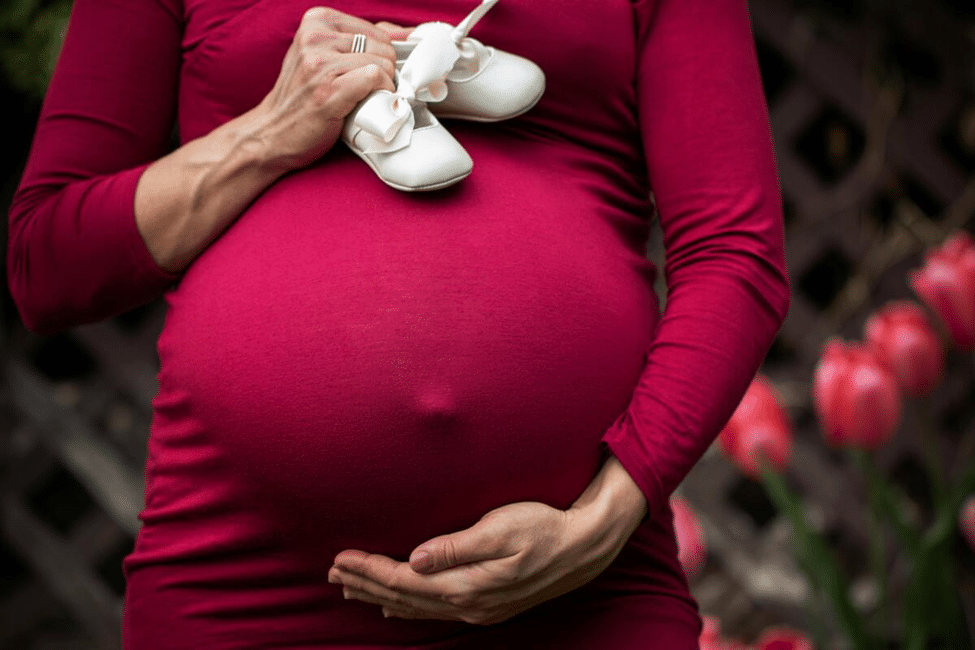
If you’re 14 weeks pregnant, you’ve officially entered the exciting start of your second trimester. This stage often feels like a turning point, because many early discomforts begin to ease, and you may start noticing new changes in your body. At this time, understanding the common 14 weeks pregnant symptoms can help you feel more prepared and reassured.
In addition, your baby is growing rapidly, your belly and uterus are expanding, and your upcoming ultrasound will show even more fascinating details of your little one’s development. As you move forward, knowing what to expect in terms of symptoms, baby growth, and belly changes will make this stage of pregnancy both informative and comforting. As you move into your second trimester, it’s helpful to look back at how far you’ve come since the 12th week of pregnancy, including symptoms, baby growth, and belly changes.
Watch video given below: Your pregnancy: 14 weeks
Watch this helpful video by Today’s Parent on YouTube
14 Weeks Pregnant: How Many Months Is It?
If you’re wondering, “14 weeks pregnant symptoms is how many months?”, you’re not alone. At 14 weeks, you’re at the very beginning of your 4th month of pregnancy. This marks an important shift, as you leave the first trimester behind and continue your journey into the second trimester.
Why Is Counting Weeks vs. Months So Confusing?
Many parents-to-be get mixed up because pregnancy is tracked in weeks, not months. A full-term pregnancy lasts about 40 weeks, but those weeks don’t neatly match calendar months. Some months have four weeks, while others have five, so the math doesn’t line up perfectly.
Here’s what you need to know:
- At 14 weeks pregnant, you are in month 4.
- Doctors use weeks instead of months for accuracy.
- 40 weeks = full-term pregnancy, not exactly 9 months.
- Using weeks helps track fetal growth and key milestones better.
So, while you may casually say “I’m 3 months” or “I’m 4 months,” your doctor will always go by weeks pregnant. As you prepare for what’s next, discover what to expect during 15 weeks pregnant—from baby’s size and symptoms to how many months along you are—by checking out our detailed guide on 15 weeks pregnant: Is How Many Months, Size & Symptoms.
Common 14 Weeks Pregnant Symptoms
As you enter the second trimester, your body begins to adjust in new ways. While some early discomforts may ease, new symptoms can appear. Let’s break down the most common 14 weeks pregnant symptoms you may experience.
General Body Changes
At this stage, you may notice some positive shifts:
- Fatigue improving – Many women feel a boost of energy as the body adapts to pregnancy.
- Appetite changes – However, cravings or sudden food aversions can still occur.
- Mood swings – Hormonal shifts may still cause irritability, but they are often less intense than in the first trimester.
Cramping at 14 Weeks Pregnant
It’s common to feel mild abdominal discomfort. This is often due to round ligament pain, which happens as your uterus expands.
- Mild cramps are usually harmless and can be relieved with rest or hydration.
- Severe cramps, on the other hand, should never be ignored. If pain is intense or persistent, consult your doctor right away.
Spotting & Bleeding at 14 Weeks Pregnant Symptoms
Light spotting may happen for a few different reasons. However, heavy bleeding should always be taken seriously.
- Normal spotting may result from cervical irritation after sex or a medical exam.
- Causes of bleeding include implantation issues, cervical sensitivity, or—in rare cases—miscarriage risks.
- When to seek help → If bleeding is heavy, accompanied by clots, or paired with severe pain, seek emergency care immediately.
Digestive Symptoms
As your uterus grows, it puts extra pressure on your digestive system. Therefore, you may notice:
- Bloating
- Constipation
- Gas
- Heartburn
These are uncomfortable but generally normal at this stage.
Breast & Skin Changes
Your body continues preparing for breastfeeding and adapting to pregnancy hormones. In addition:
- Breast changes may include tenderness, visible veins, and darkening of the areolas.
- Skin changes may include the famous “pregnancy glow,” but also acne, pigmentation, or dark patches (melasma).
Emotional & Hormonal Symptoms
Hormones are still shifting, but compared to the first trimester, many women feel more emotionally balanced.
- Mood stability tends to improve, though occasional irritability can happen.
- Energy boosts often make daily life feel easier than it did in the earlier weeks.
Baby’s Development at 14 Weeks
By the time you are 14 weeks pregnant symptoms, your baby has officially entered a fascinating stage of growth. This week marks the early part of the second trimester, where development speeds up and new features become more noticeable.
How Big Is a Baby at 14 Weeks?
At this stage, your baby is about the size of a lemon or a small peach.
- Length: around 3.4–3.6 inches (8.7–9.1 cm) from crown to rump
- Weight: approximately 1.5 ounces (43 grams)
Therefore, even though your baby is still small, growth is happening at a rapid pace.
Key Development Milestones at 14 Weeks
During this week, many important changes are taking place:
- Facial features are becoming more distinct, with the eyes and ears moving into their proper positions.
- Organ development is progressing; the kidneys produce urine, and the liver and spleen begin functioning.
- Hair growth starts, including soft peach-fuzz hair called lanugo that covers the body.
- Reflexes like sucking and swallowing are developing, meaning your baby can already practice movements needed after birth.
Embryo vs. Fetus: What’s the Difference?
Up until week 8, your baby was considered an embryo. However, from week 9 onward, the term fetus is used. At 14 weeks pregnant symptoms, your baby is very much in the fetal stage, which is focused on growth, organ development, and preparing for life outside the womb. In other words, while the embryonic stage laid the foundation, the fetal stage builds and refines those systems.
Belly & Uterus Size at 14 Weeks Pregnant
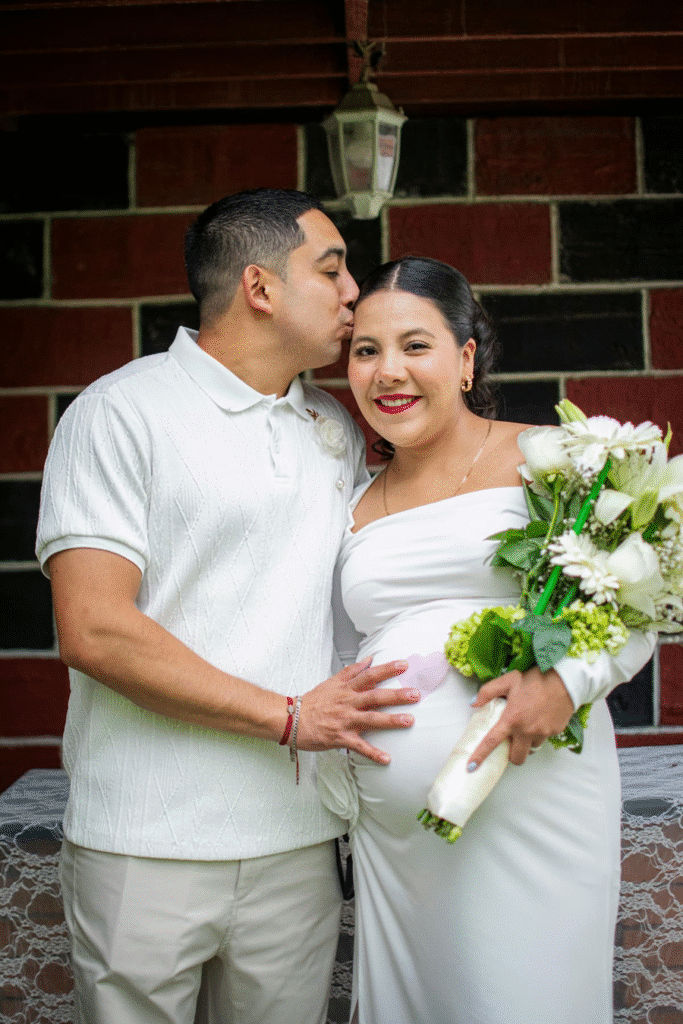
When you are 14 weeks pregnant symptoms, your body starts to show more visible changes as you move further into the second trimester. For many women, this is the first time the pregnancy bump becomes noticeable, although it can look very different depending on body type and whether it’s a first or subsequent pregnancy. For a look back at the earliest stages of your baby’s growth, explore our comprehensive guide on the baby at 8 weeks: size, heartbeat, development & what to expect.
What Does a 14 Week Pregnant Belly Look Like?
At this stage, your uterus has grown to about the size of a grapefruit. It is now moving up from the pelvis into the lower abdomen, which is why your belly may start to round out.
- Some women notice a small but clear baby bump.
- Others may still look almost the same as before pregnancy, especially if it’s their first pregnancy.
- By the second trimester, the belly tends to grow more steadily, making changes more visible week by week.
14 Weeks Pregnant Bump vs. “Not Showing Yet”
It’s very common to compare your bump with other moms-to-be. However, everybody is unique. Factors like muscle tone, body shape, number of pregnancies, and genetics all influence how soon you’ll “show.”
- First pregnancy: many women show later, sometimes closer to 16–18 weeks.
- Subsequent pregnancies: the bump often appears earlier because abdominal muscles have already stretched once before.
Uterus Size at 14 Weeks Pregnant Symptoms
At 14 weeks, your uterus is expanding quickly to make room for your growing baby. On average:
- It is about the size of a softball or grapefruit.
- The top of the uterus (fundus) can usually be felt above the pubic bone.
Quick Comparison Chart: Uterus Size by Week
| Pregnancy Week | Uterus Size (Approximate) | Location in Body |
|---|---|---|
| 12 weeks | Size of an orange | Just above pubic bone |
| 14 weeks | Size of a grapefruit | Moving into lower abdomen |
| 16 weeks | Size of an avocado / large pear | Midway between pubic bone & navel |
14 Weeks Pregnant Symptoms Belly Pictures
While every belly looks different, many moms find it helpful to see 14 weeks pregnant belly pictures for comparison. If you are showing, your bump may look like a small curve above your pelvis. If not, don’t worry, both are perfectly normal.
Ultrasound at 14 Weeks Pregnant
By the time you reach 14 weeks pregnant symptoms, many parents are excited to see their baby on the screen. An ultrasound at this stage can provide reassurance, showcase your baby’s growth, and sometimes even reveal early details about development. Let’s break it down step by step. Looking ahead, you’ll eventually reach the exciting final weeks of your pregnancy—check out our guide on being 36 weeks pregnant: symptoms, signs & what to expect to see how your journey will evolve.
What You See on a Standard Ultrasound
During a 14-week pregnancy ultrasound, you may notice:
- Baby’s face and body – The facial profile begins to look more recognizable, with a distinct forehead, nose, and chin.
- Movements – Your baby may be wriggling, stretching, or even sucking their thumb, although you may not feel these movements yet.
- Placenta and amniotic fluid – The sonographer checks that the placenta is functioning well and that amniotic fluid levels are within the healthy range.
👉 Transition: At this stage, while the baby is still small, the ultrasound already offers a fascinating glimpse into fetal development. For trusted medical advice on what’s happening at 14 weeks pregnant symptoms, you can also visit the official NHS week-by-week pregnancy guide.
3D Ultrasound at 14 Weeks
Some parents wonder if a 3D ultrasound at 14 weeks pregnant symptoms is worth it. Here’s what you should know:
- What it looks like – A 3D scan may show more defined images of your baby’s face and body compared to standard 2D ultrasounds.
- Why some parents choose it – It can be an exciting bonding experience, helping you visualize your baby in more detail.
- Limitations – At 14 weeks, the baby is still very small, so finer facial features may not be as clear as they would be in later scans.
👉 Transition: While 3D ultrasounds are optional, they can provide emotional reassurance but aren’t necessary for medical reasons. Looking beyond pregnancy? Prepare for the big day with our guide on choosing a cozy and practical postpartum going-home outfit (2025)—perfect for the sweet moment you’ll finally bring your baby home.

Screening Tests Around 14 Weeks
Alongside an ultrasound, many parents undergo screening tests at 14 weeks pregnant symptoms to monitor both maternal and fetal health. These may include:
- Genetic screening options – Blood tests can check for chromosomal abnormalities, such as Down syndrome, Edwards syndrome, and Patau syndrome.
- Nuchal translucency follow-up – If your first-trimester NT scan raised concerns, your provider may recommend further checks at this stage.
- Blood tests – Hormone levels and other markers are measured to ensure healthy pregnancy progress.
Special Cases at 14 Weeks
Although most pregnancies progress smoothly, there are certain situations that may bring additional questions or concerns at 14 weeks pregnant. Let’s look at some of the most common special cases.
14 Weeks Pregnant with Twins
If you are 14 weeks pregnant with twins, your experience may feel quite different compared to carrying a single baby.
- Belly growth differences – By this stage, your bump may already look larger than that of someone carrying one baby. This is because your uterus expands more quickly to accommodate two growing babies.
- Higher risk of symptoms – Some women notice more intense pregnancy symptoms, such as increased cramping, fatigue, or even light spotting, due to the added strain on the body.
- Nutritional needs – Carrying twins means your body requires extra calories, protein, iron, and folate. A doctor may also recommend supplements to support both babies’ development.
👉 Transition: While twin pregnancies can be more demanding, regular monitoring and proper nutrition play a crucial role in ensuring a healthy journey. Curious about what’s next after welcoming your little one? Learn about menstrual changes while breastfeeding—including what’s normal, what’s not, and when to consult your doctor—in our detailed post on periods while breastfeeding: abnormal, irregular signs & expectations.
14 Weeks Pregnant and Bleeding or Spotting
Experiencing bleeding at 14 weeks pregnant symptoms can be alarming, but it doesn’t always mean something is wrong.
- Causes and risks – Light spotting may result from cervical changes, sexual intercourse, or even minor hormonal fluctuations. However, heavier bleeding could signal issues such as placenta previa, infection, or—less commonly—miscarriage.
- When it’s normal vs. urgent – Small amounts of spotting are often considered normal, especially after activity. On the other hand, bright red bleeding, passing clots, or experiencing severe cramps requires immediate medical attention.
- Medical advice – If you notice persistent spotting or heavy bleeding, always contact your healthcare provider. They may perform an ultrasound or blood test to identify the cause and ensure your baby’s safety.
👉 Transition: Although spotting can sometimes be harmless, it’s always better to err on the side of caution and seek professional guidance. As your pregnancy journey progresses, it’s helpful to reflect on how far you’ve come—take a look back at Week 8 of pregnancy: baby size, heartbeat, development & what to expect to see how much has changed.
Lifestyle & Health Tips for Week 14
Reaching 14 weeks pregnant symptoms marks the start of your second trimester, which is often called the “golden period” of pregnancy. Many early symptoms like nausea and fatigue begin to ease, making it a great time to focus on healthy lifestyle choices.
Nutrition & Supplements
At this stage, your baby is growing quickly, and your body needs extra support.
- Iron – Helps prevent anemia and supports increased blood volume.
- Folate (Folic Acid) – Crucial for your baby’s brain and spinal cord development.
- DHA (Omega-3 fatty acid) – Supports brain and eye development.
👉 Tip: Aim for a balanced diet with leafy greens, lean proteins, dairy, and fish low in mercury. Your doctor may also recommend prenatal vitamins to cover any gaps.
Safe Exercises for the Second Trimester
With energy levels improving, many women find it easier to stay active at 14 weeks pregnant. Safe activities include:
- Walking or light jogging
- Prenatal yoga or Pilates
- Swimming or water aerobics
👉 Avoid contact sports, heavy lifting, or anything that risks falling. Always listen to your body and stop if you feel dizzy or in pain. For comprehensive insights into what’s happening inside your body and your baby’s development at 14 weeks pregnant, check out the helpful week-by-week guide on What to Expect at Week 14.
Sleep Positions
As your bump begins to grow, sleeping on your back may become uncomfortable. Experts recommend introducing the left-side sleeping position since it improves blood flow to the uterus and placenta. Using a pregnancy pillow can help support your belly and lower back for better rest.
Clothing Tips for a Growing Bump
Your body is changing, and comfort becomes essential. By week 14, you may notice your regular clothes feel tight around the waist.
- Switch to maternity leggings or stretchy pants.
- Choose maternity bras for better support as your breasts grow.
- Opt for breathable fabrics like cotton to stay comfortable throughout the day.
👉 Transition: Small adjustments in your daily routine—from diet to sleep and clothing—can make your second trimester much more comfortable and enjoyable. Gain more insight into your little one’s development and your changing body at 14 weeks pregnant with this detailed week-by-week guide on BabyCenter’s 14 Weeks Pregnant Week-by-Week Overview.
When to Call Your Doctor for 14 Weeks
Most women enjoy a relatively smooth experience during the second trimester, but it’s still important to know when symptoms may signal a complication. At 14 weeks pregnant, you should contact your healthcare provider right away if you notice any of the following:
Heavy Bleeding or Clots
Light spotting can sometimes happen in pregnancy, but heavy bleeding or passing clots may point to something more serious, such as a miscarriage or problems with the placenta. Always seek medical help immediately if this occurs. For an additional perspective on what’s happening at 14 weeks pregnant symptoms, explore The Bump’s informative week-by-week overview for week 14.
Severe Cramping or Abdominal Pain
Mild stretching sensations are normal as your uterus grows, but sharp, persistent, or severe pain is not. Severe cramping combined with bleeding requires urgent attention.
High Fever or Unusual Discharge
A fever over 100.4°F (38°C) or abnormal vaginal discharge (foul-smelling, green, or accompanied by itching) could indicate an infection that needs prompt treatment.
Lack of Fetal Movement
At 14 weeks, most women cannot yet feel their baby’s movements—that usually starts between weeks 16 and 22. However, if you’ve previously felt movement and suddenly notice it stopping, contact your doctor. While rare at this stage, it’s always best to check.
👉 Bottom line: Trust your instincts. If something feels “off,” even if it doesn’t fit neatly into these categories, call your healthcare provider for reassurance. For a concise week-by-week perspective on baby growth, symptoms, and helpful tips at 14 weeks pregnant, check out the Enfamil guide to Week 14 of pregnancy.
FAQs About 14 Weeks Pregnancy
Is cramping normal for 14 weeks?
Yes, mild cramping is common at this stage as your uterus expands, and ligaments stretch to support your growing baby. However, if cramps are severe, persistent, or accompanied by bleeding, you should contact your doctor.
Should I worry about spotting for 14 weeks?
Light spotting can sometimes be normal, often due to hormonal changes or cervical sensitivity after sex. But heavy bleeding, clots, or bright red spotting should never be ignored and require medical evaluation.
How big is my belly supposed to be?
At 14 weeks, your bump may just be starting to show. Some women notice a small roundness low in the abdomen, while others still look the same. Belly size varies greatly depending on factors like body type, muscle tone, and whether this is your first pregnancy.
Can you feel the baby move at 14 weeks?
Most women do not feel movement until between weeks 16 and 22. If this isn’t your first pregnancy, you might notice flutters earlier, but at 14 weeks it’s still too soon for most.
What does a 14-week fetus look like?
At this stage, your baby is about the size of a lemon—around 3.5 to 4 inches long. Facial features are becoming more defined, arms and legs are lengthening, and your baby may already be making facial expressions.
Can I travel in 14 weeks pregnant?
Yes, the second trimester is often the safest and most comfortable time to travel. Make sure to stay hydrated, walk around during long trips to prevent blood clots, and check with your doctor if you have complications or are planning international travel.
Conclusion
At 14 weeks pregnant, you’ve officially entered the second trimester—a phase often considered safer and more comfortable. By now, many early pregnancy symptoms such as nausea and fatigue may begin to ease, allowing you to enjoy this exciting stage more fully.
To recap, at 14 weeks:
- Your baby is growing rapidly, now about the size of a lemon.
- Common symptoms may include mild cramping, round ligament pain, or slight spotting.
- Healthy lifestyle choices, such as proper nutrition, gentle exercise, and safe sleep positions, play a key role in supporting your pregnancy journey.
Most importantly, this stage brings reassurance, as risks decrease and the joy of feeling your baby’s first movements is only a few weeks away. In addition, now that you’ve reached 14 weeks pregnant, you might also appreciate this week-by-week guide from Pampers: check out “14 Weeks Pregnant: Symptoms, Signs & What Not to Ignore” for extra insights into what you might experience during this stage.

Hafiz Nauman Baig is a Researcher and PhD Scholar in Zoology, with a specialized focus on Biomechanics and Anatomical Data Analysis. Merging his academic expertise in biological structures with a deep background in Physical Ergonomics and strength mechanics, Nauman evaluates baby gear through a rigorous scientific lens.
Unlike standard product reviewers, he utilizes R Studio and statistical modeling to assess safety data, focusing on the physiological impact of carriers on the infant airway and the caregiver’s spine. His mission is to bridge the gap between complex biological safety standards and practical, pain-free babywearing.